

The convention’s theme, “Reframing IR: When Compliance Is Not Enough. Why Legally Sound Decisions Still Lead To Conflict”, posed an uncomfortable but necessary question: what happens when an employer follows the rules, yet an employee still feels wronged?
The shift in approach was deliberate. With main sponsor myQuickHR, MECA developed three cinematic productions exploring domestic inquiries, performance management and retrenchment. Alongside live theatre and expert conversations, they offered a different way to learn: not by memorising the right answer, but by working through the uncertainty that precedes it.
When the Case Comes to Life Through Film and Theatre
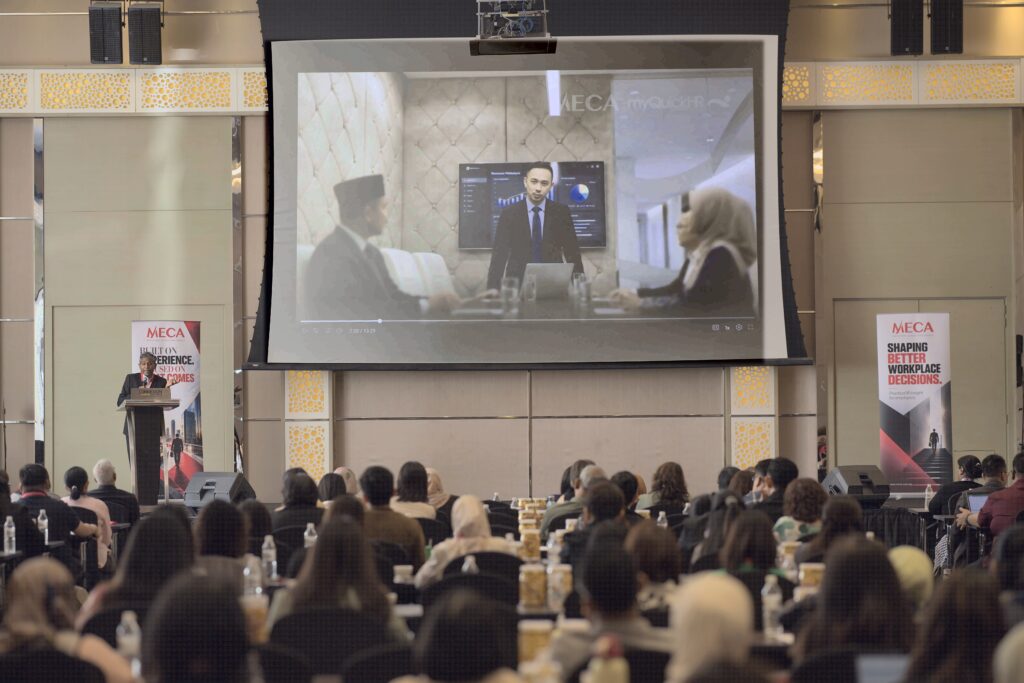
Consider Gopal. In the first film, he faced allegations after an exchange involving Ali and supervisor Tan. Then Soma, a colleague, offered another account of what had happened. As witnesses were questioned and the employee’s defence tested, delegates had to decide how much weight to give each piece of evidence. Their votes on the two charges were not identical. That was precisely the point: an inquiry cannot simply treat every allegation, or every witness, as interchangeable.
The second film, focusing on performance-management, posed a familiar dilemma. Andrew’s manager was dissatisfied with a report, yet had not clearly explained what was expected. By the time a Performance Improvement Plan (PIP) was proposed, the question was no longer only whether Andrew could improve. Had anyone genuinely helped him understand how? The distinction between a supportive PIP and a predetermined exit became difficult to ignore.
The third cinematic experience highlighted restructuring, with the prospect of job losses across a multinational organisation. Delegates were guided to start with the business need and the roles genuinely affected, rather than with a list of people to remove. They considered selection criteria, possible alternatives, separation terms and, just as importantly, how news of a lost livelihood should be delivered.
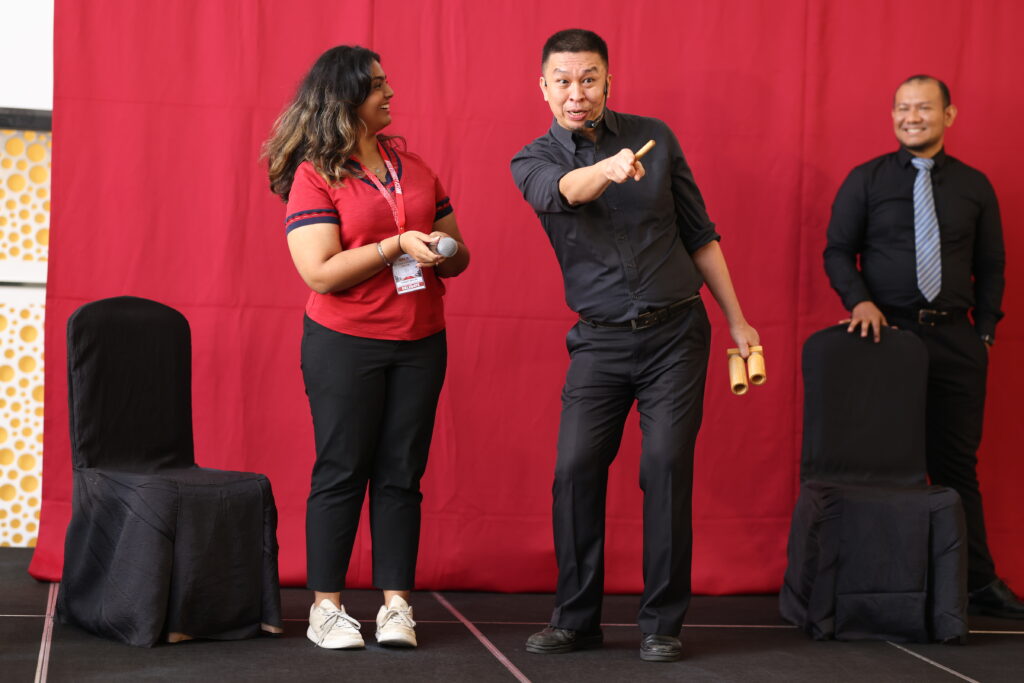
The screen was only part of the experience. In the live theatre experience “The Bias Nobody Sees”, KL Shakespeare Players turned familiar workplace interactions into moments of reflection that challenged delegates to recognise unconscious bias in everyday workplace interactions. Through live dramatisations and audience participation, the session showed how assumptions about individuals can influence decisions about recruitment, workplace relationships, and employee treatment.
Beyond the Films: Expert Perspectives
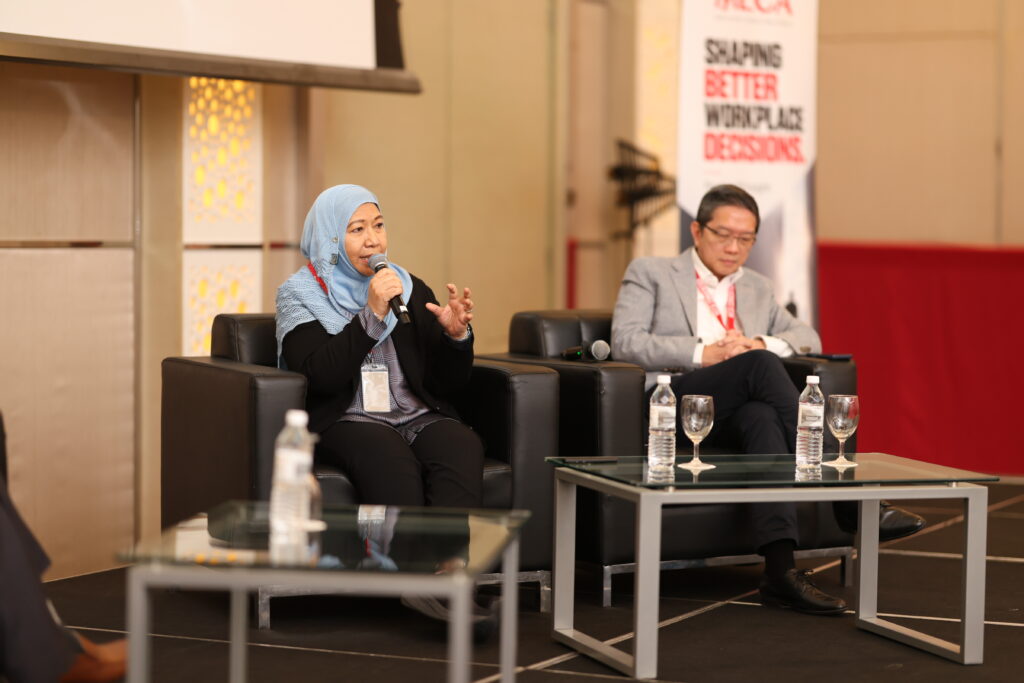
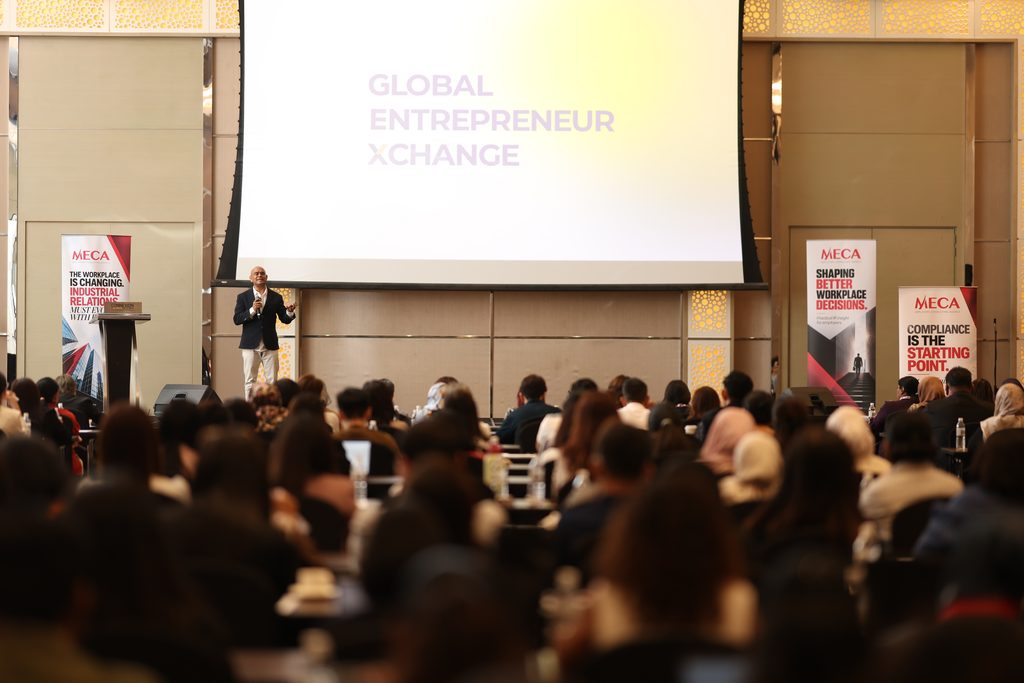
The same tension between rules and human behaviour ran through the expert conversations. Karthik Siva of Global Entrepreneur Xchange explored leadership when there is no ready-made playbook, while Mar Azleena Omar of VTTI and Yong Hon Cheong of Zaid Ibrahim & Co. examined how to approach voluntary and mutual separation schemes without unnecessarily deepening conflict. Their discussions returned to preparation, communication and the choices made long before a dispute becomes formal.
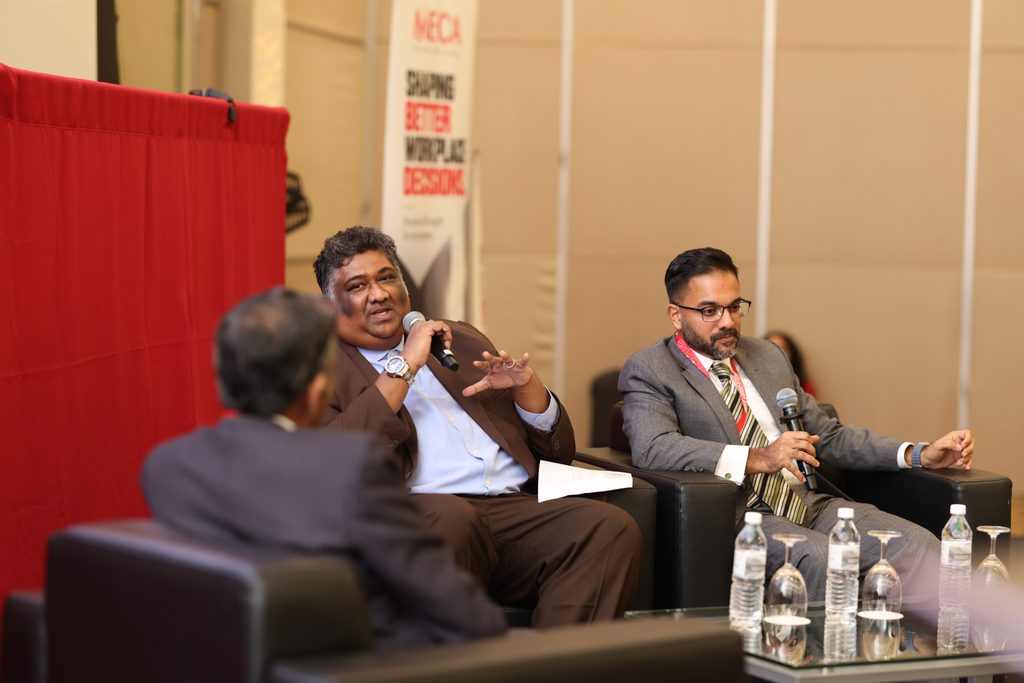
The question of how employers approach medical issues also surfaced in a discussion featuring Dr Ramon Varughese of Qualitas Health Malaysia and Shariffullah Majeed of Lee Hishammuddin Allen & Gledhill. Medical leave, mental health, and workplace accommodation are not matters that can always be understood from a certificate or policy alone. They require employers to examine the facts, understand individual circumstances, and still address legitimate operational needs.
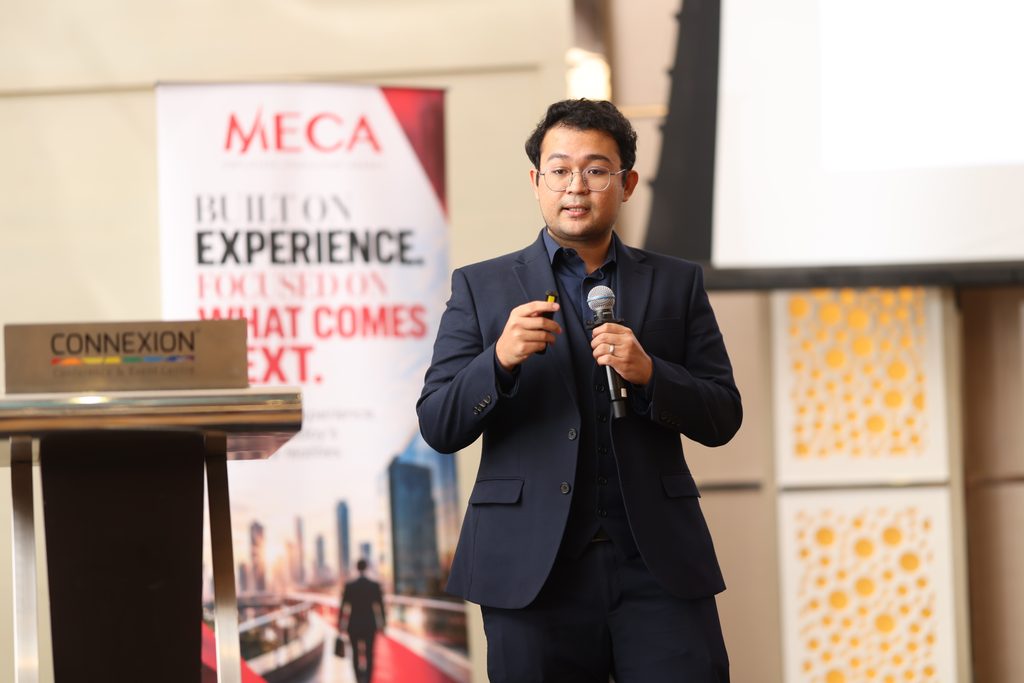
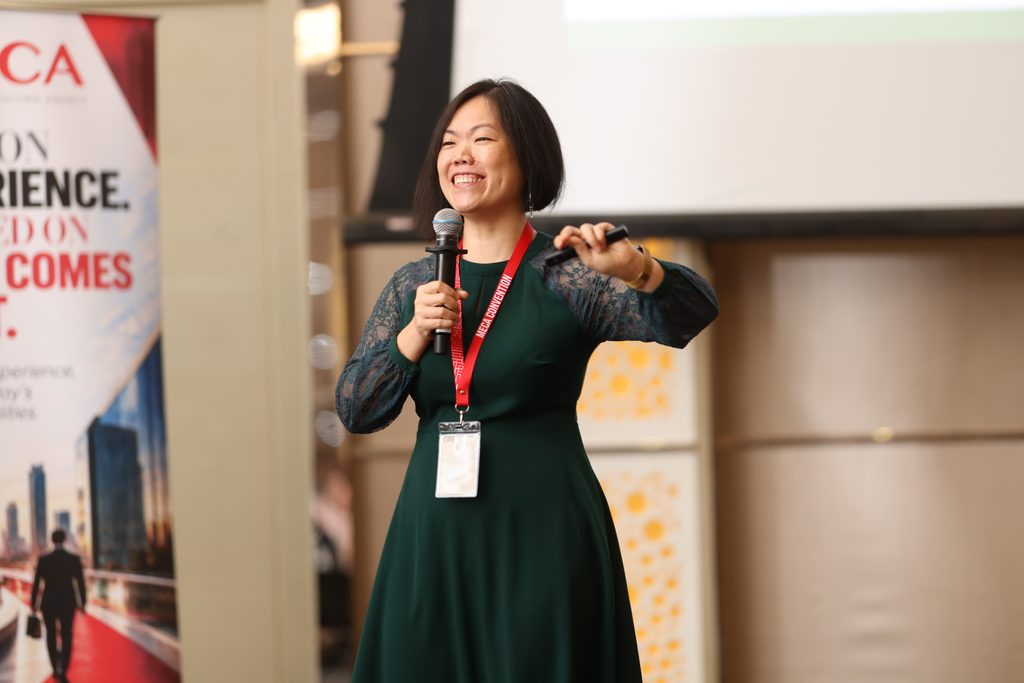
Technology brought another dimension. Humayoun Khan, AI Strategy & Innovation Lead at myQuickHR, shared how artificial intelligence could support HR without displacing human judgement. Licensed counsellor Poh Yee Loh, meanwhile, presented why workplace disagreements escalate, and why feedback, perceived unfairness, and unresolved emotions can make seemingly manageable situations harder to settle.
An employer may believe it has acted reasonably, but the real test often begins when somebody else examines the decision. That tension ran through the fraud-investigation dialogue with Tee Chuen Shiong and Jeeva Rajoo of PwC. Their message was practical: resist the impulse to confront immediately, plan the investigation, identify and preserve evidence properly, and ensure the process can withstand scrutiny.
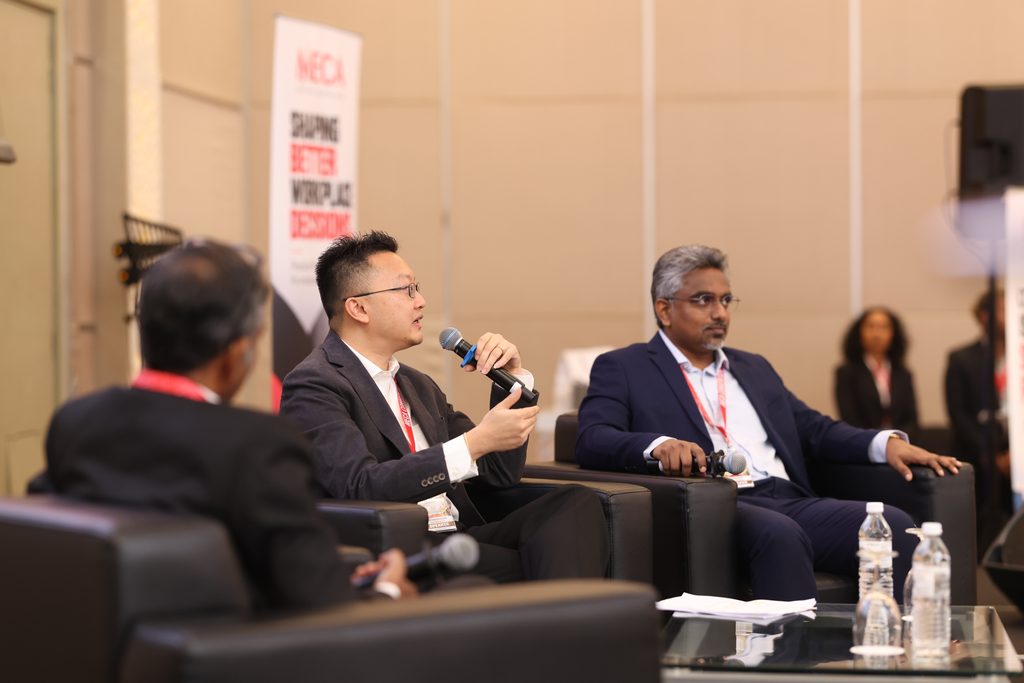
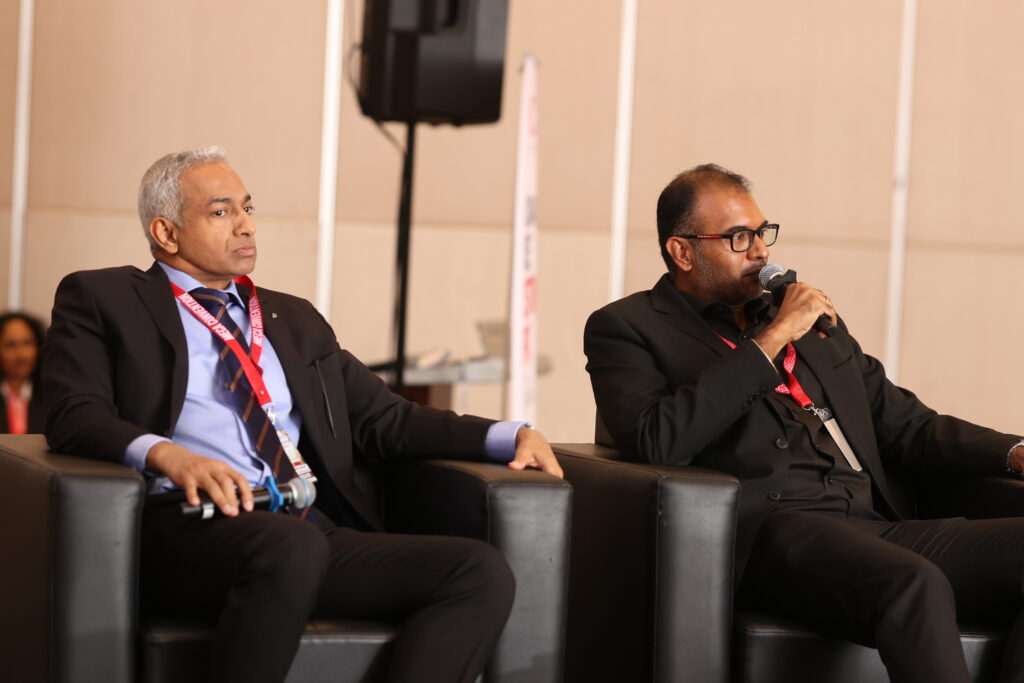
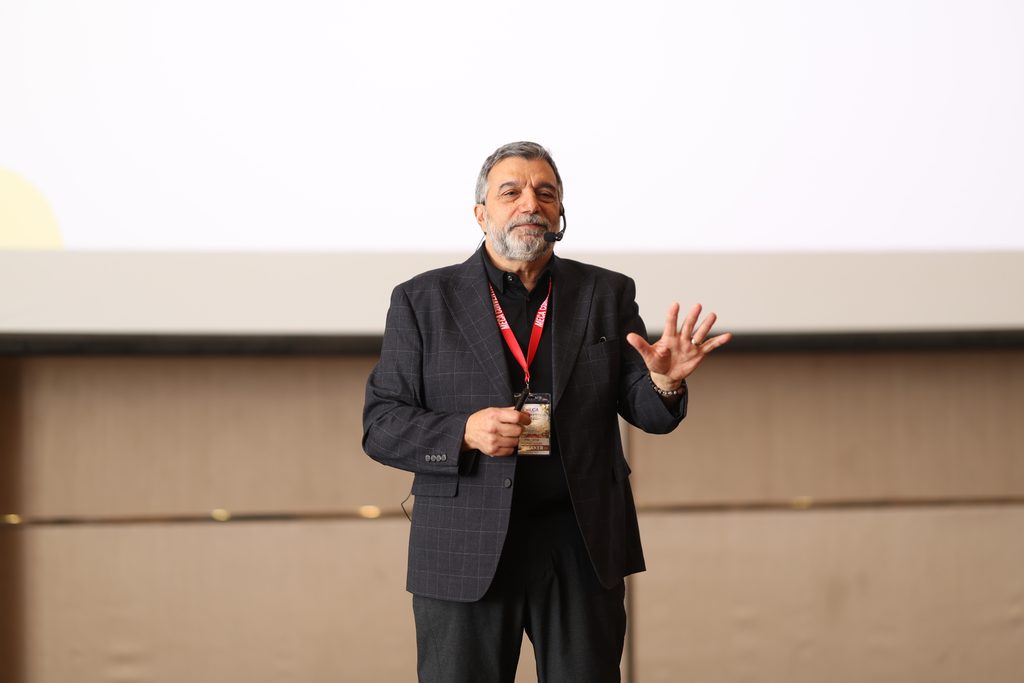
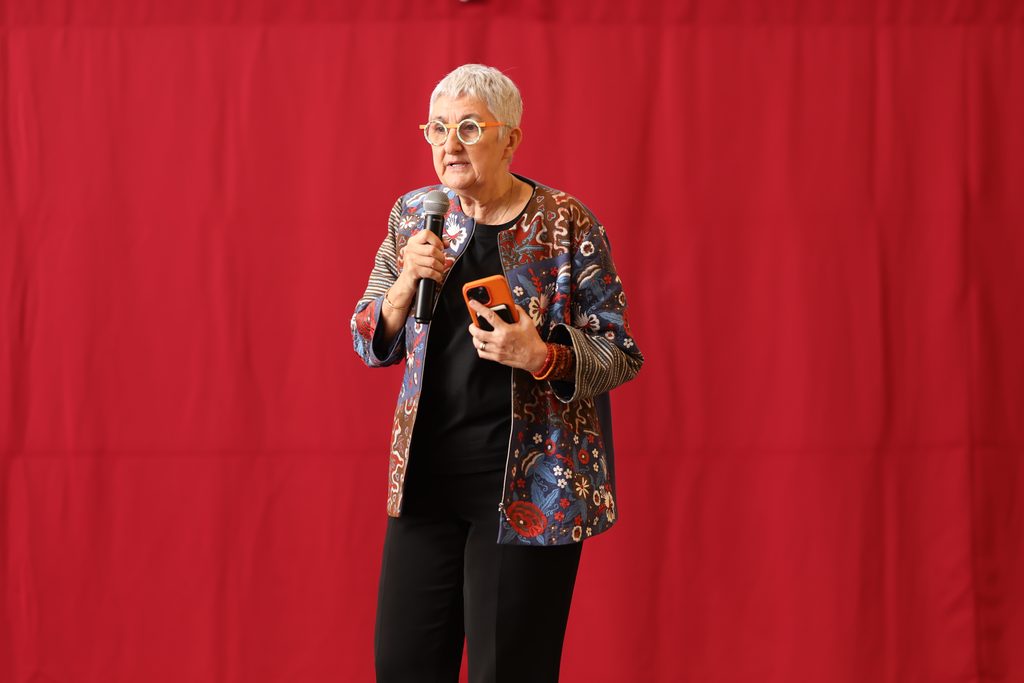
Arun Kumar of Arun Kumar & Associates and Jeremiah R. Gurusamy of Messrs. Ramesh Dipendra Jeremiah Law explored a related danger in underperformance cases: an assessment that appears objective to management may still feel deeply unfair to the employee. Paul Fayad of Positive Leader, ELM Learning added another challenge by asking whether organisations sometimes promote people for technical competence without considering their ability to lead relationships.
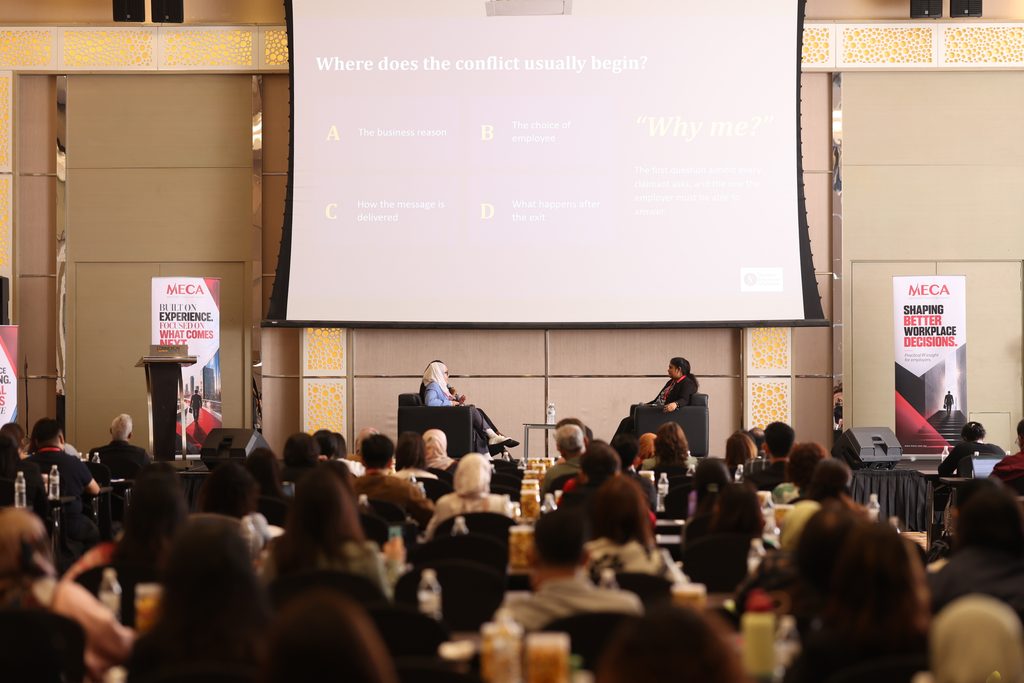
Disguised dismissals received similar scrutiny in a discussion featuring Messrs. Dharmen Sivalingam and Partners, Sujatha Selliah, Paval Nadarajah, and Heidi Syahira Hamzah, who spoke on how to distinguish genuine reorganisation from dismissal dressed up as business necessity. The underlying question was not simply whether a company could describe its rationale, but whether the evidence and decisions supported it.
And when matters reach litigation, different perspectives become impossible to avoid. Datuk S. Nantha Balan, retired Court of Appeal Judge and Consultant at Adnan Sundra & Low, and Wong Keat Ching, Partner at Zul Rafique & Partners, considered why cases employers regard as strong can weaken under closer examination of credibility, proportionality, and fairness. A legally defensible position matters; avoiding unnecessary conflict is always the better route.
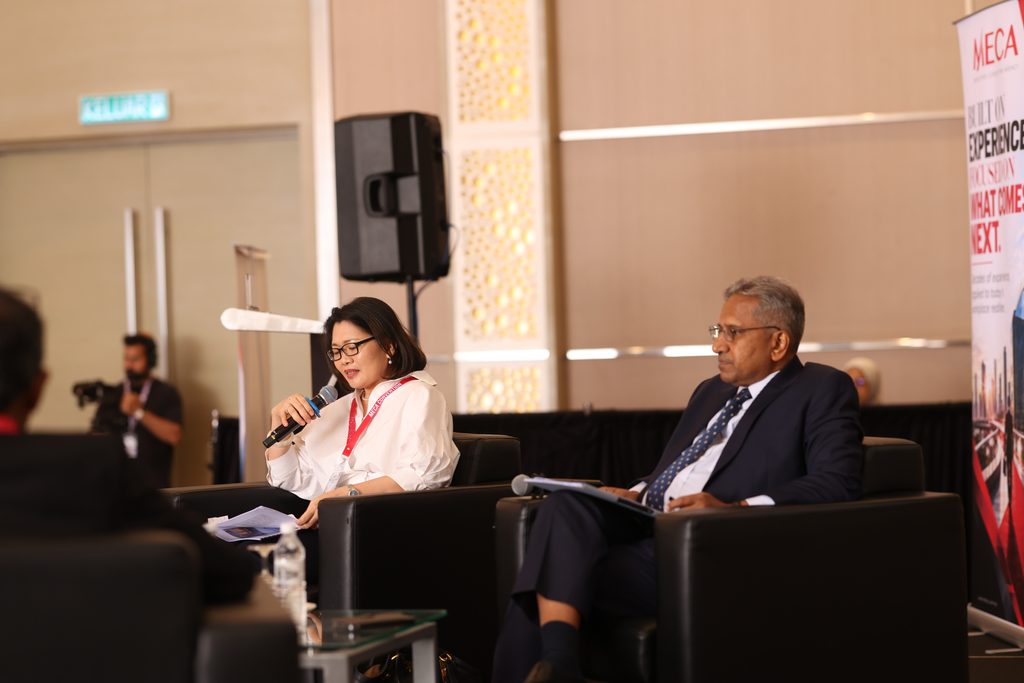
Consultant at Adnan Sundra & Low
What Stayed with Delegates
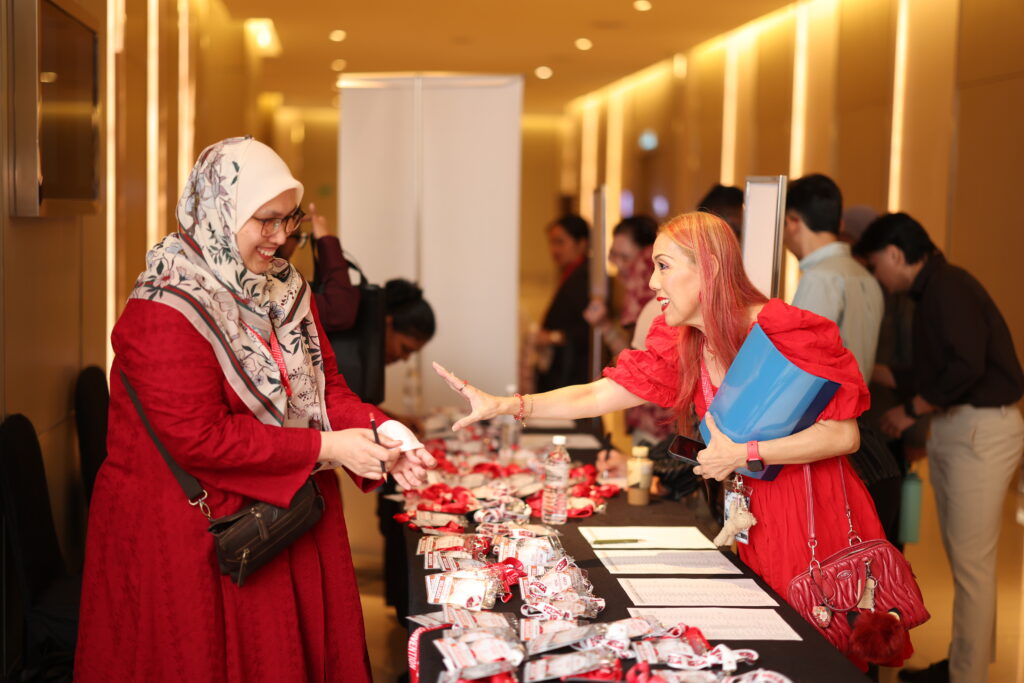
For Mohd Hanif Zulkifli Choo of UOB Innovation Hub 2, the difference was immediate. The format was a “new style, new norm”, he said, keeping the learning “fun and not dry”. The medical-leave discussion stayed with him in particular: instead of assuming wrongdoing, HR should first establish what happened and speak with the employee. The broader lesson was to go “beyond the process, beyond the documents, beyond the SOP”.
Jaspreet Kaur of International Schools Partnership, recognised the performance-management scenario straight away. The manager had not engaged sufficiently with the employee about the gaps in his work before formal action was considered. She appreciated the reminder that a PIP should support improvement, with HR and line managers working together, rather than serve as a disguised exit plan. “I thought it was a very interesting format,” she said.
Jason Wong of Agensi Pekerjaan Hunters Search Sdn Bhd shared that the cinematic productions and interactive role-play brought a refreshing dimension to learning about industrial relations. “I found the approach engaging and practical. It made IR issues easier to understand, especially when we could see how different situations were handled in real-life scenarios,” he shared. “As employers, we need to balance protecting the company’s interests while ensuring employees are treated fairly,” he emphasised.
Beyond the Convention Hall
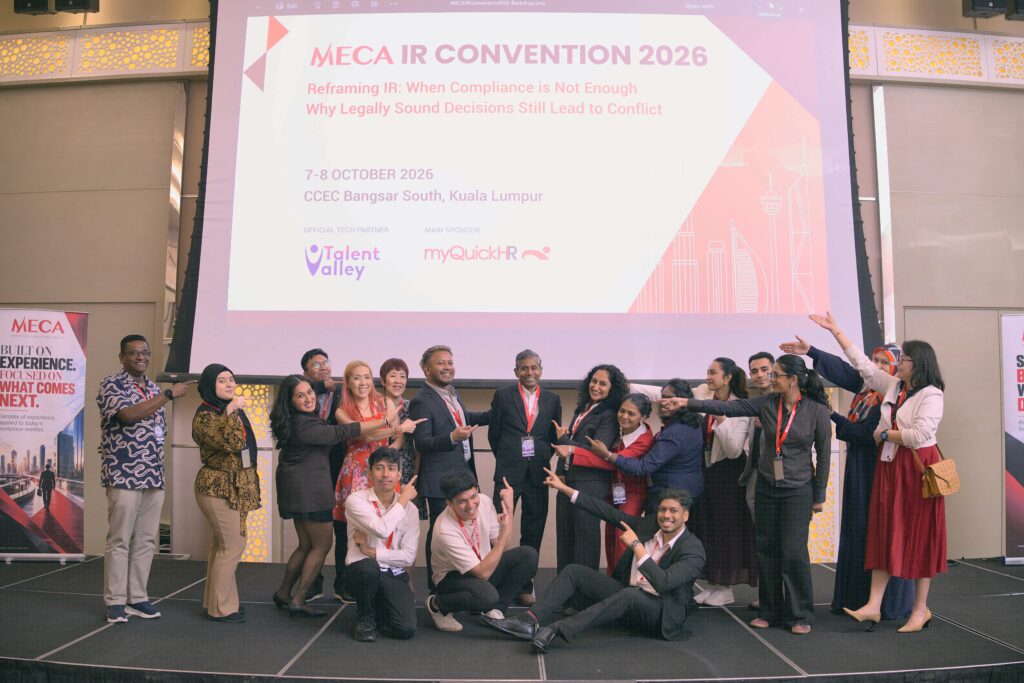
Three decades after its establishment in 1996, MECA marked its 30th anniversary by rethinking how industrial relations principles could be explored, understood, and applied. Through cinematic scenarios, interactive theatre, and expert discussions, MECA IR Convention 2026 brought familiar workplace challenges into sharper focus, inviting delegates to examine decisions from perspectives they might otherwise overlook.
The experience reinforced a central message: sound industrial relations practice requires more than following procedures. It calls for sound judgement, meaningful communication, and an understanding of the people affected by workplace decisions. For MECA, the Convention reflected its continued commitment to helping employers navigate the complexities of employment and industrial relations through practical guidance, knowledge sharing, and informed decision-making.
To learn more about how MECA can support your organisation, visit www.meca.com.my.