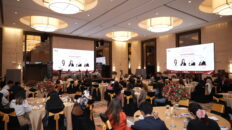


MECA Employers Consulting Agency (MECA) CEO Dharmen Sivalingam shares what has gone into creating a Convention experience that could mark a first in the way Industrial Relations is taught and understood—bringing MECA’s accumulated experience to the industry through an approach designed not simply to explain IR principles, but to show how they unfold in real workplace situations.
Three Decisions Where Getting It Right Matters
The MECA IR Convention 2026 deliberately centres its discussion around three areas. “Misconduct, performance management, and retrenchment or restructuring,” said Dharmen. “These are areas where the law matters greatly, but they are also areas where the legal framework alone does not tell the full story.”
Each presents employers with a different challenge. In performance management, Dharmen shared that employers can become preoccupied with whether the Performance Improvement Plan (PIP) has been correctly structured and documented. Yet he reminded that “The quality of the conversations leading up to and during a PIP may ultimately matter as much as the document itself.”
The same consideration applies to misconduct. “In misconduct, the employer may have strong evidence, but the way the investigation is conducted, the way questions are asked and whether the employee genuinely feels heard can have a major impact on whether the matter escalates,” said Dharmen.
Retrenchment and restructuring introduce another set of sensitivities because a sound commercial rationale does not necessarily prevent employees from questioning how decisions are reached. “Problems can arise from unclear selection criteria, poor communication, inconsistent treatment or the perception that a particular person is targeted,” emphasised Dharmen.
The Workplace Has Shifted
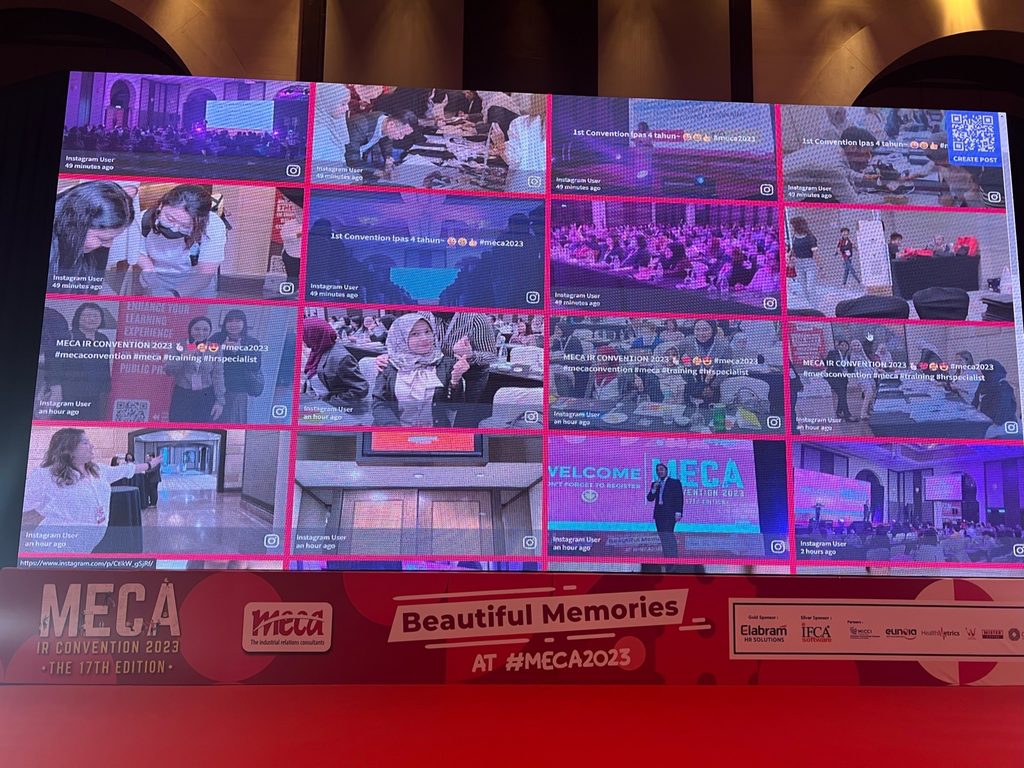
One of the most consequential changes, Dharmen shared, has taken place among employees themselves.“The law itself has not changed dramatically,” he said. While procedural developments have occurred, the far more significant change is employees’ sophistication.
“In the past, there was a greater likelihood that employees would accept a decision to terminate their employment, sometimes without seriously questioning whether they had any right to challenge it,” said Dharmen. Today, employers operate in an environment where decisions are more likely to be questioned, and employees are increasingly prepared to exercise the avenues available to them when they believe their rights have been compromised.
“Compliance with the law remains non-negotiable. But compliance alone does not keep an employer out of trouble,” said Dharmen. He explained that the reason lies in what actually triggers a dispute. “An employee does not need first to prove that the dismissal was legally unfair before filing a complaint. The real trigger is much simpler. The employee feels, considers or perceives that the dismissal was unfair. That is enough to start the dispute.”
When Perception Becomes Part of Industrial Relations
Employee perception therefore sits much closer to the centre of Industrial Relations than employers recognise. “An employee does not experience a retrenchment as a statutory principle,” said Dharmen. “They experience somebody telling them: ‘Your role no longer exists.’Performance management is equally personal. “An employee does not experience a PIP as a legal framework. They experience their manager telling them that their performance is not good enough.” A misconduct investigation carries its own human weight because the employee experiences being questioned and investigated while potentially facing the loss of a livelihood.
“These are deeply human situations,” said Dharmen. “And human beings react emotionally before they react legally.”That reaction may be shaped by questions that sit outside the technical process but are central to how fairness is perceived: “Why me? Was I treated fairly? Did they listen to me? Was the decision already made? Why was somebody else treated differently? Are they trying to get rid of me?”
“These perceptions matter because they often determine whether the employee accepts the outcome or challenges it,” said Dharmen. “So psychology, communication, unconscious bias, fairness, dignity and Industrial Relations are not separate subjects. They are deeply intertwined in every difficult workplace decision.”Communication, Dharmen stressed, becomes especially important because employees process difficult news differently. “One employee may want a very direct conversation. Another may need more explanation. One may want to ask many questions. Another may say very little but react strongly afterwards,” he added.
This means employers need to exercise judgment over who delivers the message, how it is framed, how much explanation is provided and whether the employee genuinely feels heard. “If the objective is merely to comply with the law, the employer can focus on process. If the objective is the gold medal of avoiding the dispute altogether, the communication methodology has to become much sharper.”
Making Sure the Concept Lands
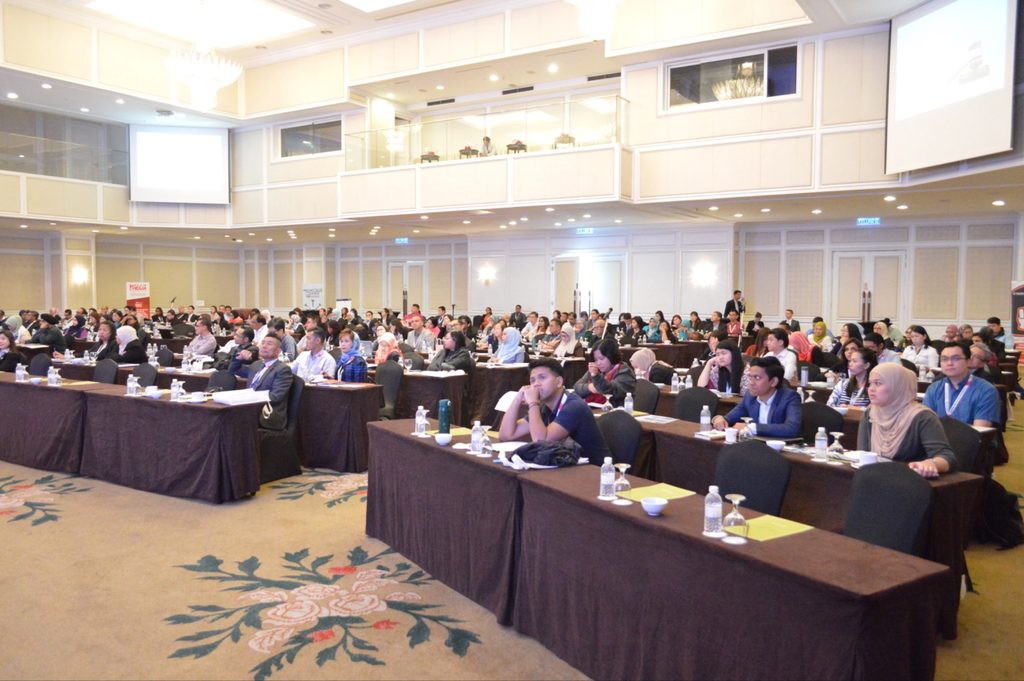
The challenge for MECA is in translating these ideas into a Convention where delegates could see and understand how these dynamics play out in practice. “We have spent a great deal of time asking ourselves, ‘How do we make sure the message lands?’” said Dharmen. That question has shaped the MECA IR Convention 2026 into an immersive learning experience. “We have chosen three mini movies dealing with misconduct, performance management and retrenchment or restructuring.” The Convention will complement the mini-movies with a live dramatisation exploring unconscious bias by professional actors.
The intention is for delegates to encounter the complexities of Industrial Relations as situations rather than simply as principles. “We hope this approach will allow participants to absorb the practical lessons in a way that stays with them long after the Convention is over,” said Dharmen. To our knowledge, this is not an approach that has previously been adopted in an Industrial Relations Convention in this way.”
The three specially produced mini movies provide the common experience for the subsequent discussion. “The movies create the experience. The discussion afterwards extracts the learning,” said Dharmen.
“We believe that is a much more powerful way of helping people understand difficult Industrial Relations issues.” Delegates can then examine what happened, what was handled correctly, what could have been done differently and when the problem actually began. The discussion can move from whether the process was legally sound to what should have been documented, how the employee may have perceived the conversation and what could happen if the situation were eventually tested in court.
Reframing IR Before the Conflict Begins
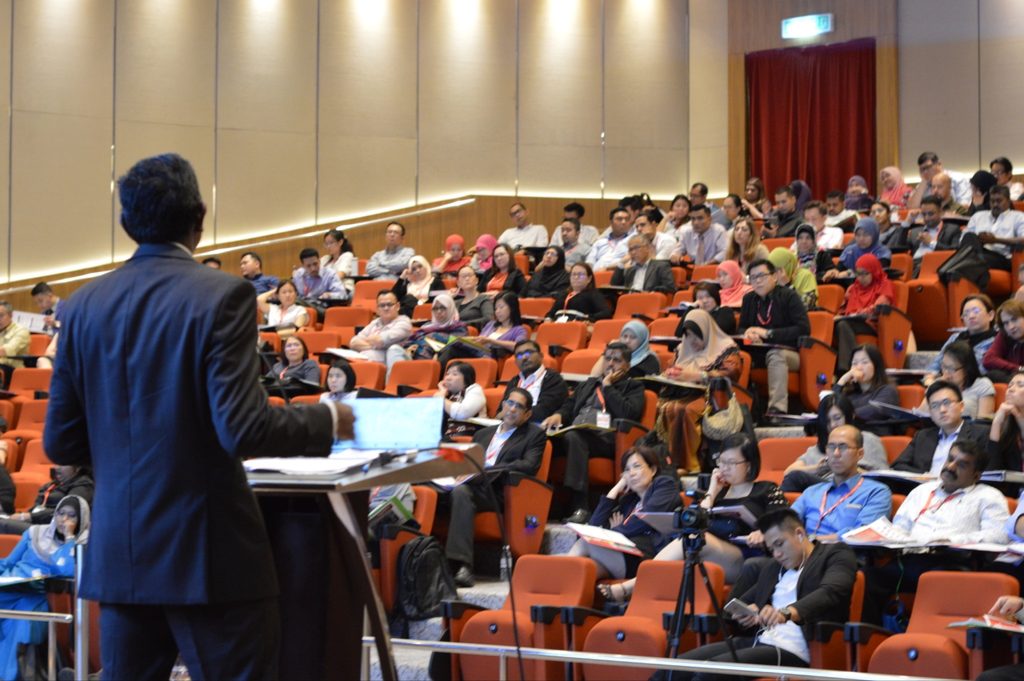
“The new frame is that Industrial Relations should begin before the dispute,” said Dharmen. “It should begin at the point where the workplace decision is being considered.” An employer faced with a difficult employment decision will naturally ask, “Can we do this?” Dharmen believes good Industrial Relations requires another question: “What happens if we do?”
That changes the scope of the decision. The employer considers the legal risk and commercial consequences alongside how the employee might react, how the wider workforce may perceive the decision, what evidence exists, whether that evidence will remain available and how the decision will be communicated. The final question is equally important: “Is there a better outcome available?”
MECA’s advisory perspective extends beyond asking whether an employer is legally entitled to take a particular course of action. “A purely legal adviser may ask: ‘Can the employer do this?’ That is obviously important. But experience teaches you to ask more,” said Dharmen. Those questions include whether the employer should act in that way, what happens next, how the employee may react, what evidence exists, whether that evidence and the witnesses will still be available months later, and how the decision might look when examined.
Compliance Is the Foundation, Not the Destination
“Going beyond compliance does not mean moving away from compliance,” said Dharmen. “Compliance is non-negotiable. “The proposition is that compliance provides the foundation for a more complete Industrial Relations decision. “Reframing IR means recognising that compliance is the foundation rather than the destination,” said Dharmen.
After three decades of dealing with the consequences of workplace decisions, Dharmen distils the thinking behind the Convention into one simple comparison. Winning in the Industrial Court is the silver medal. The gold medal is never having to go there.”
Themed “Reframing IR: When Compliance Is Not Enough. Why Legally Sound Decisions Still Lead To Conflict,” the convention takes place on 7–8 October 2026 at the Connexion Conference & Event Centre (CCEC) in Bangsar South, Kuala Lumpur. For more information and to register:https://convention.meca.com.my/meca. For group registrations & corporate rates, please contact MECA at 03 2779 4227 or [email protected].