


If Trust at the Workplace Is Put to the Test
For an employer, trust can feel intangible. It may not appear on the balance sheet, yet its presence, or absence, often becomes clearest when relationships are tested. An employee is told that his performance is not good enough. A long-serving team member learns that her position will be affected by restructuring. Someone who has spent years with the company is informed that the employment relationship has come to an end. Dharmen offers a human perspective on why the way these moments are handled matters.
“Human beings can process very tough events, the death of someone really close,” he said. “Surely losing a job is nowhere near as bad as someone close to you passing away. So if you can process that, why aren’t you processing this? And that’s because the matter may have been mishandled.”
Losing a job will never be easy. But management has considerable influence over whether that difficult moment is handled with dignity or leaves an employee feeling wronged. “Even though you’re going to let someone go, the way you do it, you do it properly,” said Dharmen. This brings him to one word that he believes employers should pay particular attention to.
“Considers.”
Dharmen points to the provision allowing a worker who considers that he has been dismissed without cause or excuse to file a complaint. “The clincher, the trigger point for an action is the word ‘considers’,” he said. “It’s an employee’s perception. And guess what drives the perception? How they were treated. An employer can therefore comply with the law and still face a dispute because of how an employee experienced the process.
“You could be fully compliant, but if you treat someone badly, they file an action. You could go to court and win,” said Dharmen. But after paying lawyers and going through a lengthy process, that victory can feel hollow. “The gold medal is not going to court at all, and that’s about how you treat people.”
Decades of Employment Relations Experience
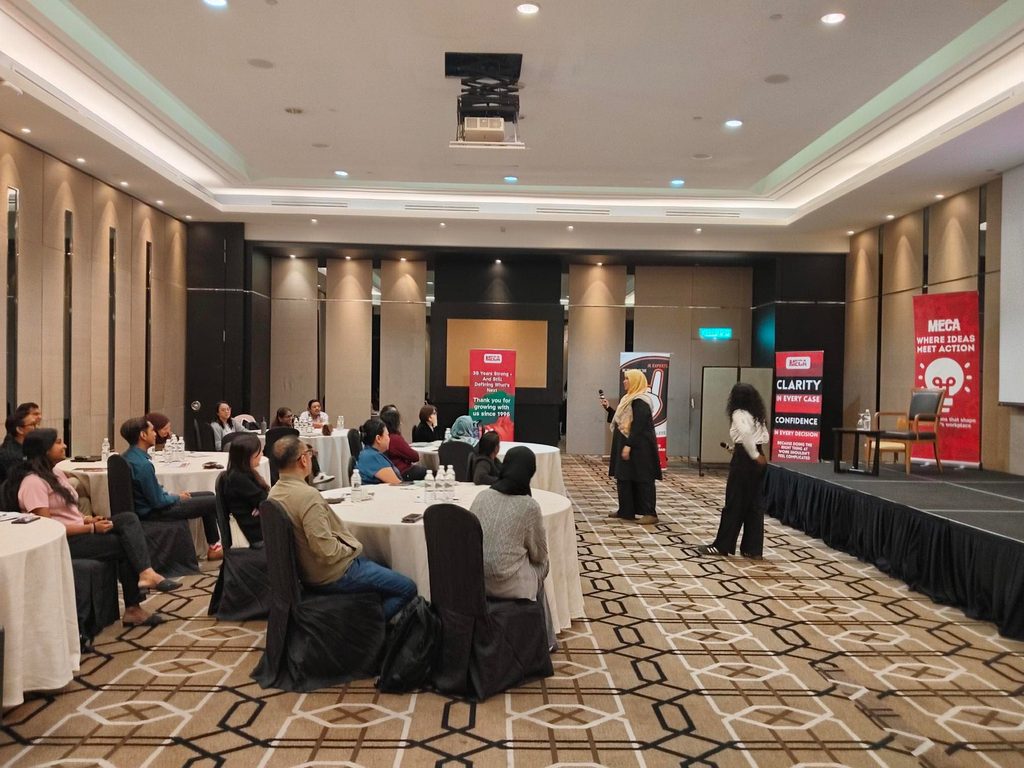
“My father-in-law founded MECA in1996 after he retired from the Malaysian Employers Federation,” shared Dharmen. Dharmen, a lawyer by training, entered employment law almost by chance. His first job was as legal editor for the Industrial Law Reports, where he spent several years reading and summarising Industrial Court judgments involving employer-employee disputes. “I would have to say that’s probably the best way to start if you intend to be an expert in employment law.”
Dharmen subsequently served as industrial relations and employee relations manager for a multinational, before moving into legal practice. In 2005, he joined MECA and today leads the organisation. “At its core, we are employment law thoroughbreds,” he said. Working with employers has also given MECA an extensive institutional memory. “There wouldn’t be any employment-related issue that surprises me today,” he enthused.
From Solving Problems to Preventing Them
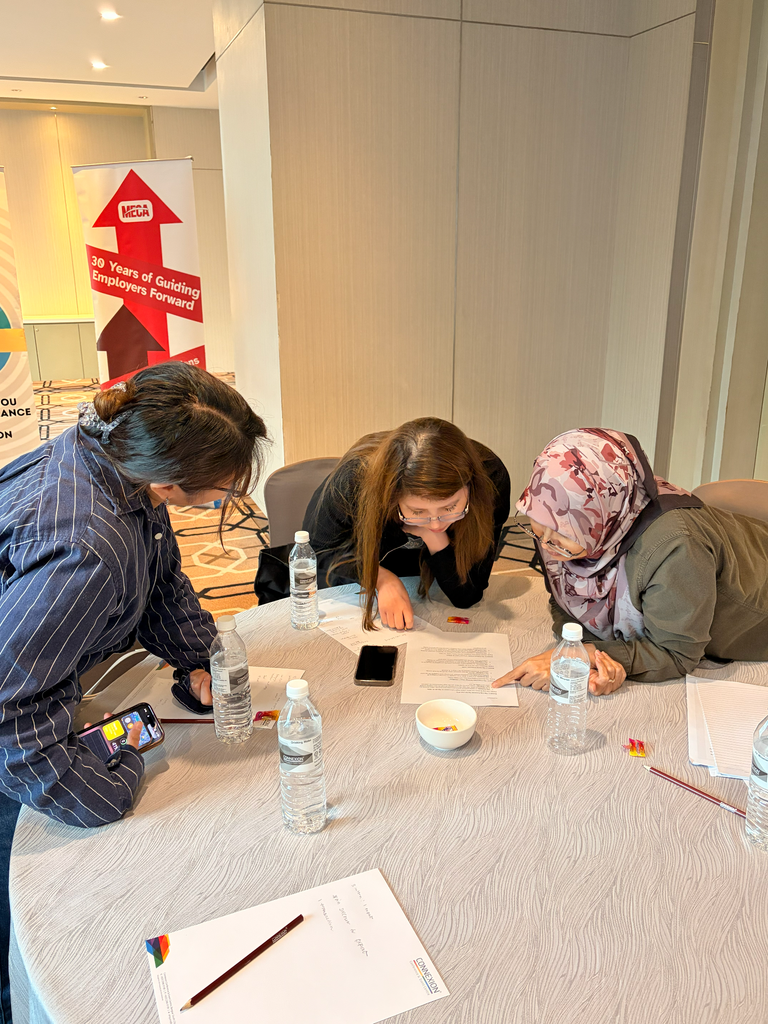
MECA advises employers across employee relations and industrial relations. A client may be dealing with poor performance, misconduct, conflict of interest, bribery or sexual harassment. At an organisational level, the issue could involve restructuring, retrenchment or trade unions. “The employer would come to us at the onset of these problems,” explained Dharmen. “We will help them manage and navigate these situations, in compliance with the law.” But Dharmen does not want MECA’s value to begin only after trouble appears.
“The consulting part is the reactionary part. You have a problem, you need a solution. But I believe the bigger aspect is really on awareness and consciousness.” Through its annual retainer relationship, MECA provides ongoing advisory and consultancy support on employment and industrial relations matters, alongside newsletters, webinars, roundtables, members’ meetings, circulars, and employment updates. MECA interprets laws, explains court decisions and shares practices from larger and more progressive employers. “We share what practices may be in place in larger, more progressive employers,” said Dharmen. “There’s an exchange of information and knowledge. We emphasise education in a big way.”
When a Mistake Becomes a Business Loss
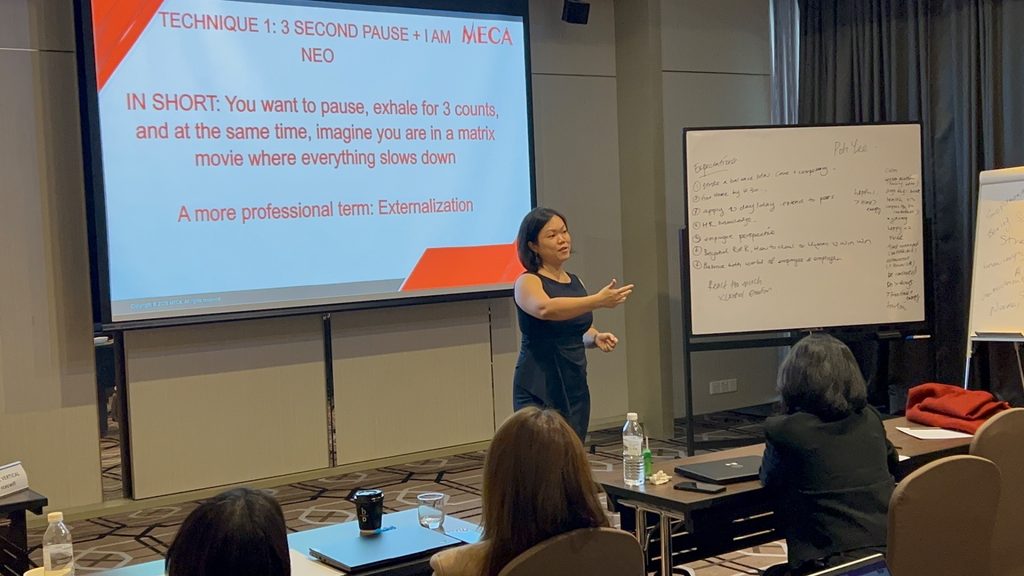
The consequences of getting an employment decision wrong, Dharmen shared, can be substantial. He explained that the Industrial Court can award up to 24 months of back wages, plus compensation instead of reinstatement calculated according to years of service. To illustrate, for a senior employee earning RM10,000 to RM12,000 monthly, an employer could potentially face an award of RM400,000 to RM500,000 depending on the circumstances.
“For an SME, that could mean, ‘I’ve got to shut my shop down,’ ” said Dharmen. “And it would be such a simple mistake that they could have easily avoided had they just known.”
That knowledge gap concerns him. “Some SMEs may not have a dedicated HR person. One person looks after a gamut of responsibilities, and HR is just one part of it.” Yet that same individual is expected to understand employment requirements and make decisions that may carry considerable legal and financial implications.
The Returns From Mutual Trust
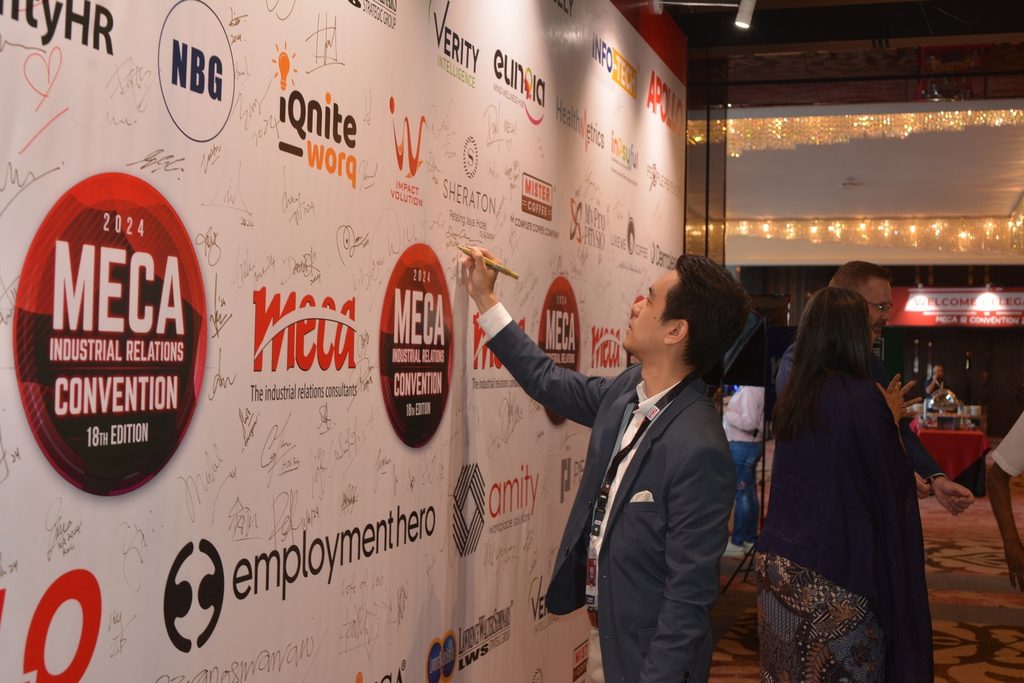
Avoiding a costly dispute is only one side of the equation. Dharmen believes stronger employee relations can also improve business performance. “Happy employees tend to be productive ones,” he said, pointing to studies suggesting that a positive employment climate can influence business performance by as much as 20 per cent. Unhappy employees, conversely, may become less motivated, less productive and even ‘stumbling blocks’”.
This matters as employment relationships evolve. Employees today are better informed about their rights. Younger workers increasingly cherish flexibility, empowerment and autonomy alongside salary and traditional benefits. “You can’t be dogmatic about it,” said Dharmen. “You’re going to lose out on talent if you’re not keeping your hands on the pulse.”
He also believes employers need to accept that a younger employee may stay for two years rather than ten. “The odds are I’m going to have this person for two to three years. So I need to think about my talent pipeline ahead of time.”
Rather than resenting shorter tenure, the employer can focus on getting the employee’s best contribution while preparing the next person to take over. A mutually fulfilling employment relationship does not have to mean employment for life. The employee can gain experience, develop, and contribute. The employer gains productivity and capability while strengthening its talent pipeline.
When Trust Breaks Down
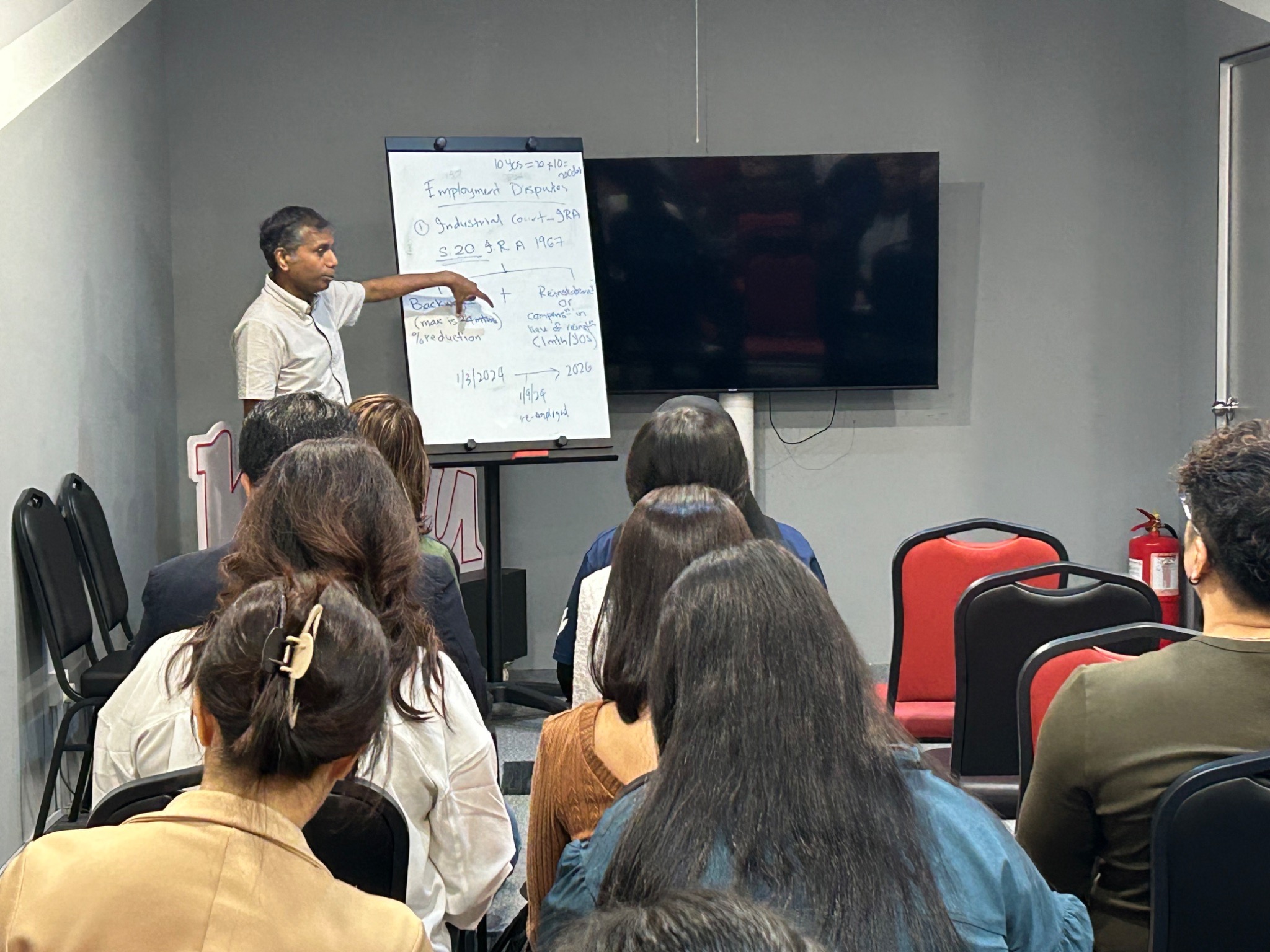
One of the clearest signals of deteriorating trust, Dharmen shared, is when employees sense they need someone else to represent them. “Why would an employee want a trade union to represent them and have to pay for it?” he asked. “The reason is lack of trust. They do not trust the employer. They do not believe that the employer is offering them terms and conditions which can be considered reasonable.”
Union negotiations can encompass salaries, bonuses, allowances, working hours and other employment conditions. “This can pose a real leadership challenge,” he said. His argument is not that employees should be discouraged from exercising their rights. Rather, management should ask why employees stopped trusting them in the first place.
Build Relationships Worth Protecting
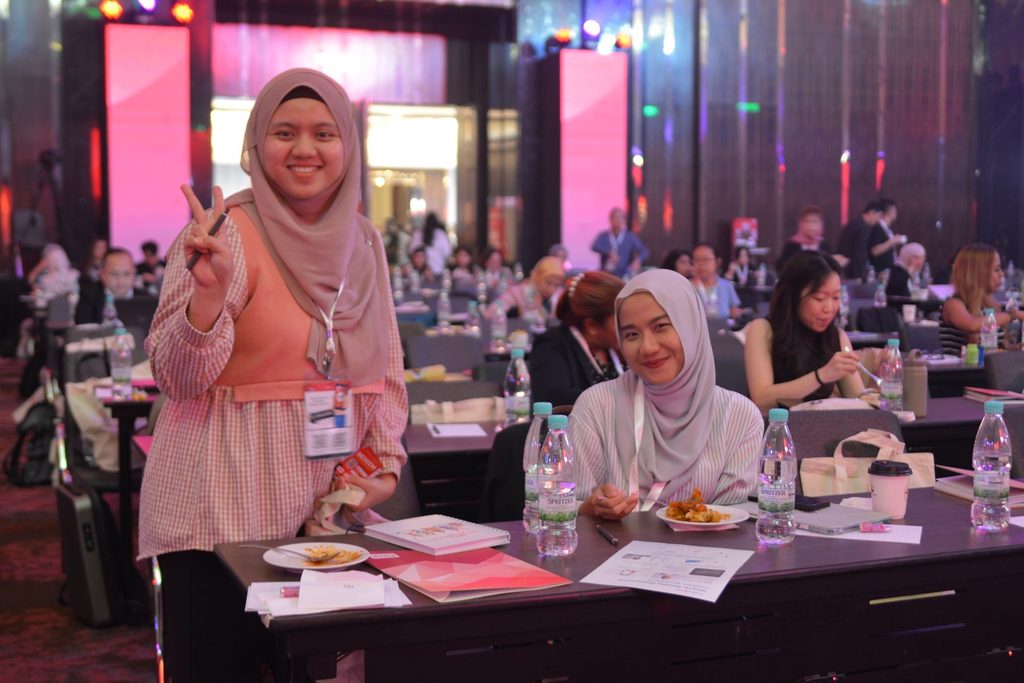
MECA has seen what happens when employment relationships work and when they break down. Dharmen hopes more SMEs will benefit from those lessons before problems become disputes. Employees need to know that they will be treated fairly, respectfully and with dignity, and employers need people who will perform, take responsibility and contribute productively. That is what makes the relationship mutual.
For employees, a mutual relationship paves the way for self-growth in an environment where they can do their best work. For employers, this can lead to better employee productivity, retention, continuity, and fewer avoidable disputes and financial losses. This mutually-trusting trusting relationship ultimately strengthens a business. Because better relationships can build better workplaces, and better workplaces can build better businesses.
Reframing Industrial Relations (IR): When Compliance is Not Enough
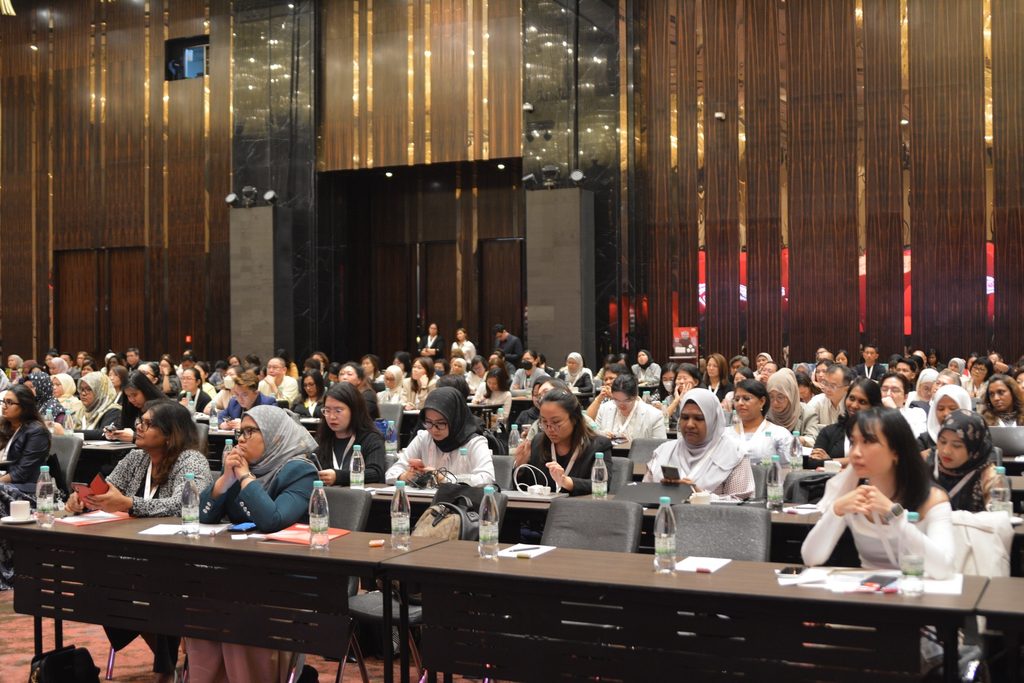
MECA’s upcoming convention reflects this shift from technical compliance towards understanding the human experience behind employment decisions. Built around the theme of going beyond compliance, the convention will bring psychological perspectives into the discussion, explore unconscious bias through live dramatisation, and use specially produced scenarios on misconduct, performance, and retrenchment to immerse employers in how difficult workplace decisions are experienced. The convention is an opportunity to bring employers back to a fundamental principle: even when a difficult decision has to be made, it can still be handled with fairness, respect and dignity.
Themed, “Reframing IR: When Compliance Is Not Enough. Why Legally Sound Decisions Still Lead To Conflict,” the convention takes place on 7–8 October 2026 at the Connexion Conference & Event Centre (CCEC) in Bangsar South, Kuala Lumpur. For more information and to register: https://convention.meca.com.my/meca. For group registrations & corporate rates, please get in touch with MECA at 03 2779 4227 or [email protected].