
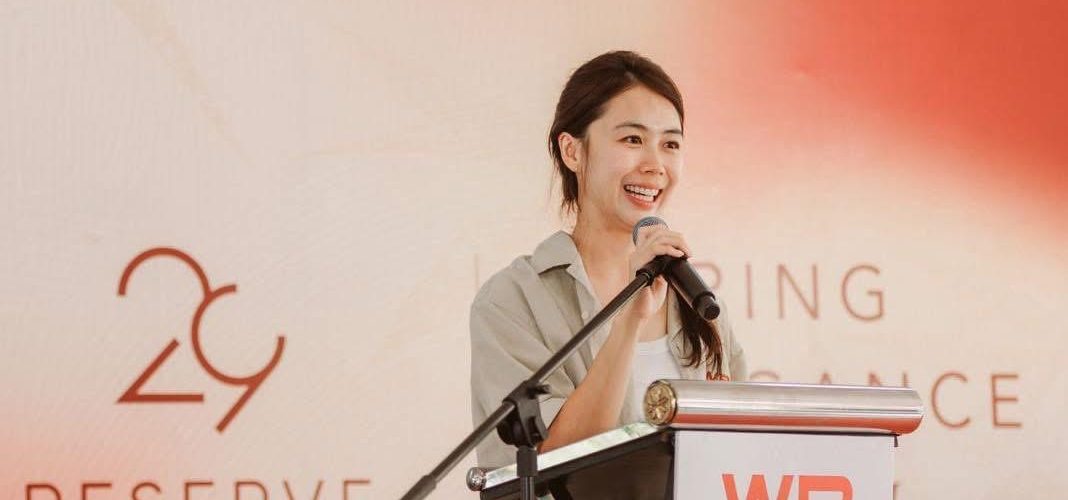
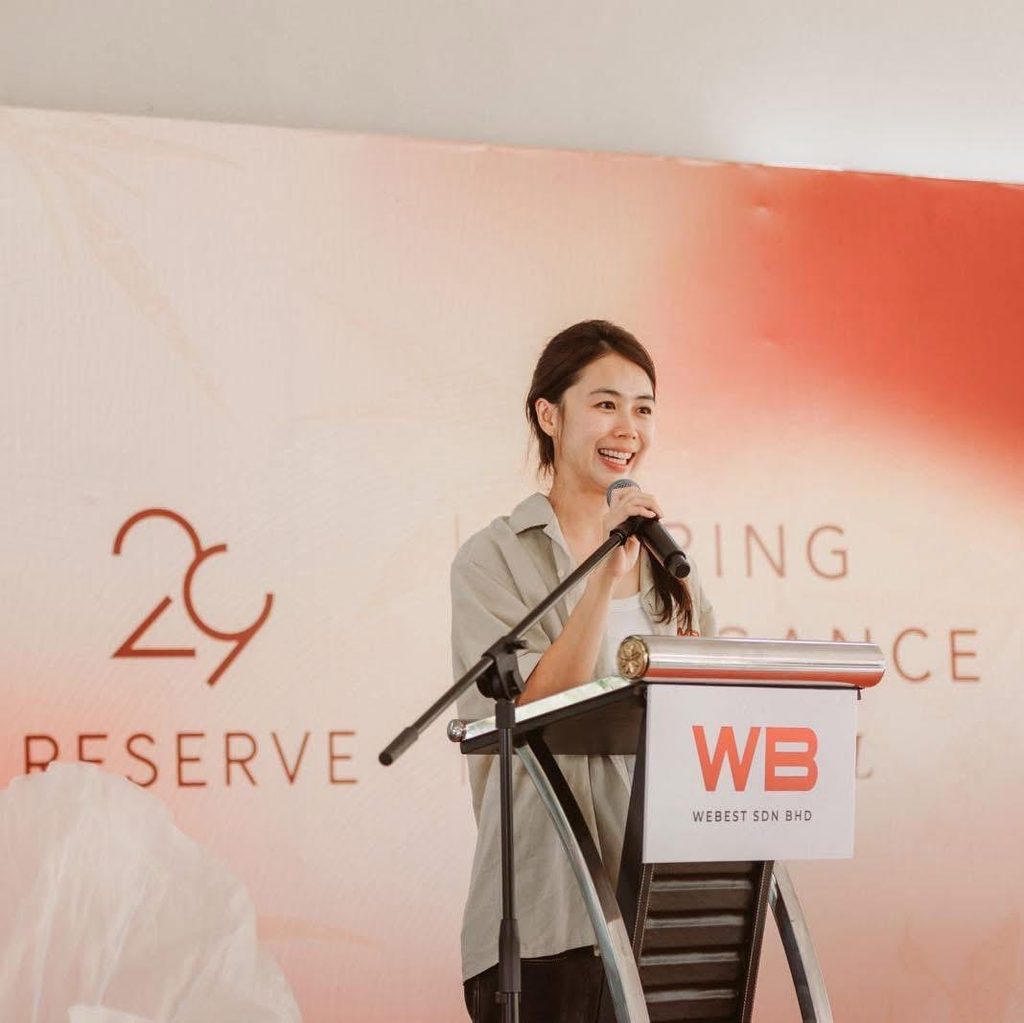
Lydia shared with MALAYSIA SME about succession, generational differences, leadership, growth, and what it means to build the next chapter of a family business without losing sight of why it was built in the first place.
1. Please share a brief history of your family business and its founding principles?
WEBEST was founded by my father more than 30 years ago, starting in construction before moving into main contracting and, eventually, property development. Growing up in that environment shaped how I see development today. We don’t just look at a building from the perspective of selling it. We understand what it takes to build it, deliver it, and stand behind it. My father was always particular about one thing: reputation. Doing things properly, keeping commitments, delivering quality — those weren’t just business principles. They were who we were. Today, we describe our purpose as “Build Things That Matter.” The business has changed. The belief hasn’t.
2. What was your journey like? Did you always see yourself taking over?
Honestly, no. I never grew up thinking, “One day I’ll run the company.” When I did join, I wanted to start from the ground, business development, sales, working across different parts of the business, because I didn’t want to inherit a title. I wanted to understand the business. Over time, I realised that if I was going to carry this forward, I had to make it my own responsibility. Not something I inherited. Something I chose.
3. What values from the first generation do you strive to uphold?
Three things: integrity, responsibility, and quality. My father always said reputation takes a long time to build and very little time to lose. And coming from construction, we’ve never believed in building something just to complete it and move on. Our name stays on that building long after we’ve handed over the keys.
4. How did the leadership transition happen?
More organic than structured. There was no single day my father said, “You’re taking over now.” It happened gradually: more decisions, more responsibility, eventually making calls independently. But succession is much more than transferring ownership. The harder part is transferring trust and the ability to make decisions. That’s still a process. Leadership is something you keep earning.
5. What were the biggest challenges stepping into leadership?

The biggest was expectation. When you’re the founder’s daughter, people compare you to the person who built the company. And so did I, for a while. But eventually I realised my job wasn’t to become my father. My job is to take what he built and make it relevant for the next generation. That was the mindset shift that changed everything.
6. How did your parents prepare you for this role?
I watched how my father dealt with contractors, customers, banks, difficult situations and how he took responsibility when things went wrong. That shaped me more than any formal training. Of course, today’s environment demands different capabilities — branding, digital, governance, data. So I see my role as taking the first generation’s foundation and building new capabilities around it.
7. How do you balance their vision with your own leadership style?
I don’t think my job is to preserve everything my father did. I think my job is to understand why he did it.
The principles don’t change; integrity, quality, responsibility. But how we deliver them must evolve.
Today we are far more intentional about brand, customer experience and design. We use data. We think about long-term asset value. I’m not changing what WEBEST stands for. I’m changing how WEBEST expresses it for a different generation.
8. What changes have you implemented since taking over?
The biggest shift has been moving WEBEST from being primarily construction-led to becoming a developer with a stronger focus on product, brand and customer experience. We’ve expanded beyond Melaka into Johor, Putrajaya and Penang. We’re diversifying into hospitality with the transformation of an existing hotel into a Marriott Moxy property. But the goal was never to get bigger for its own sake. I want WEBEST to become better, stronger and more resilient. Growth has to mean something.
9. How has technology influenced your strategy?

It’s changed how we think and how fast we learn. We can measure campaign performance, track sales data, understand customer behaviour in real time, things the previous generation simply didn’t have access to.
But I don’t believe technology replaces judgement. Data tells you what is happening. You still need people to decide what to do about it.
10. What are your thoughts on innovation versus tradition?
They’re not opposites. Tradition should protect our values. Innovation should improve how we deliver them.
We should never preserve an outdated way of doing things simply because “that’s how we’ve always done it.” The world has changed. Customers have changed. If we don’t evolve, even the traditions we’re trying to protect become irrelevant.
11. What are the key challenges second-generation leaders face today?
Finding your own identity. You inherit a company with history, relationships and expectations and you have your own ideas about where it should go. There’s always a tension between respecting what was built before you and having the courage to change it. And you can’t simply say, “This is my company now.” The authority my father has, he built that over 30 years. As the second generation, you have to earn that trust in your own way, with your own track record.
12. How do you handle long-serving employees who knew the first generation?
With respect, and with clarity. They contributed to WEBEST long before I was in any leadership role. Their knowledge is genuinely valuable. But the company cannot stay exactly the same forever. So I make it clear: I’m not here to erase the past. I’m here to build the next chapter. Leadership is ultimately demonstrated through decisions and results. Over time, people will judge you on that.
13. What are the biggest opportunities in the next five years?

The market is shifting toward quality, experience and differentiation. There’s plenty of supply. Simply building another product at a price point is getting harder. Customers are asking not just “how much?” but “what am I actually getting?” For WEBEST, that means better design, better construction, stronger service and more thoughtful communities. But the biggest opportunity is the same one we’ve always had: understanding what people actually need and building something that matters.
14. How do you separate family and business?
It takes discipline. We’re still family — but when we’re discussing business, the business comes first.
We don’t always agree. But I’ve learned that disagreement doesn’t have to become personal. You can disagree on the business without becoming disconnected personally. That’s one of the most important lessons in any family business.
15. How do you bridge generational differences in management style?
My father’s generation was relationship-driven, entrepreneurial, very hands-on. Mine has access to more information, more tools, more structured systems. We sometimes see things very differently. But I’ve stopped framing it as who’s right. The older generation gives us experience. The younger generation challenges us to think differently. You need both.
16. What advice would you give other second-generation leaders?
Don’t try to prove you’re different just for the sake of it. First — understand what made the business successful. Then identify what genuinely needs to change. And most importantly, don’t inherit the business without earning the right to lead it. Spend time on the ground. Know your people, your customers, your numbers. Eventually, you have to stop asking “what would my father do?” and start asking: “What is the right thing for the business now?” That’s when you start becoming a leader in your own right.
17. Is sustainability a key focus?
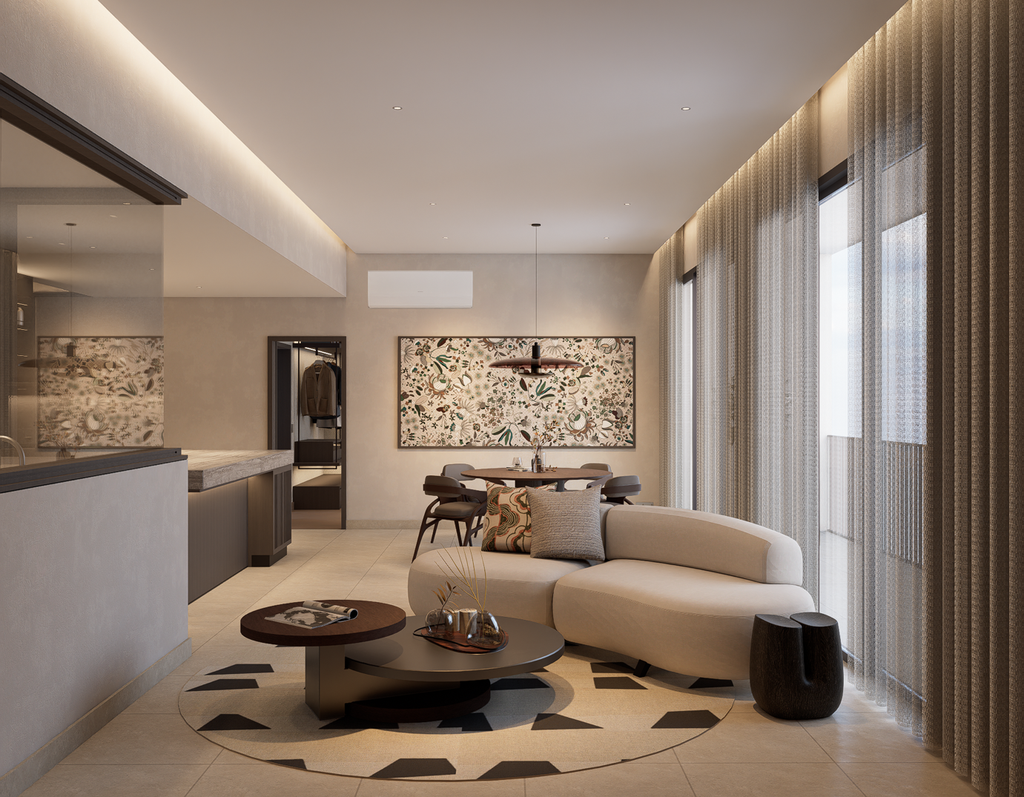
Yes — though for us it’s broader than just environmental sustainability. We think about how long a building lasts, how it operates, how people experience it years after completion. We don’t want to build something that only looks good on launch day. Adaptive reuse is part of this thinking — our hotel transformation is a good example. Instead of demolishing an existing asset, we’re giving it new life and new purpose.
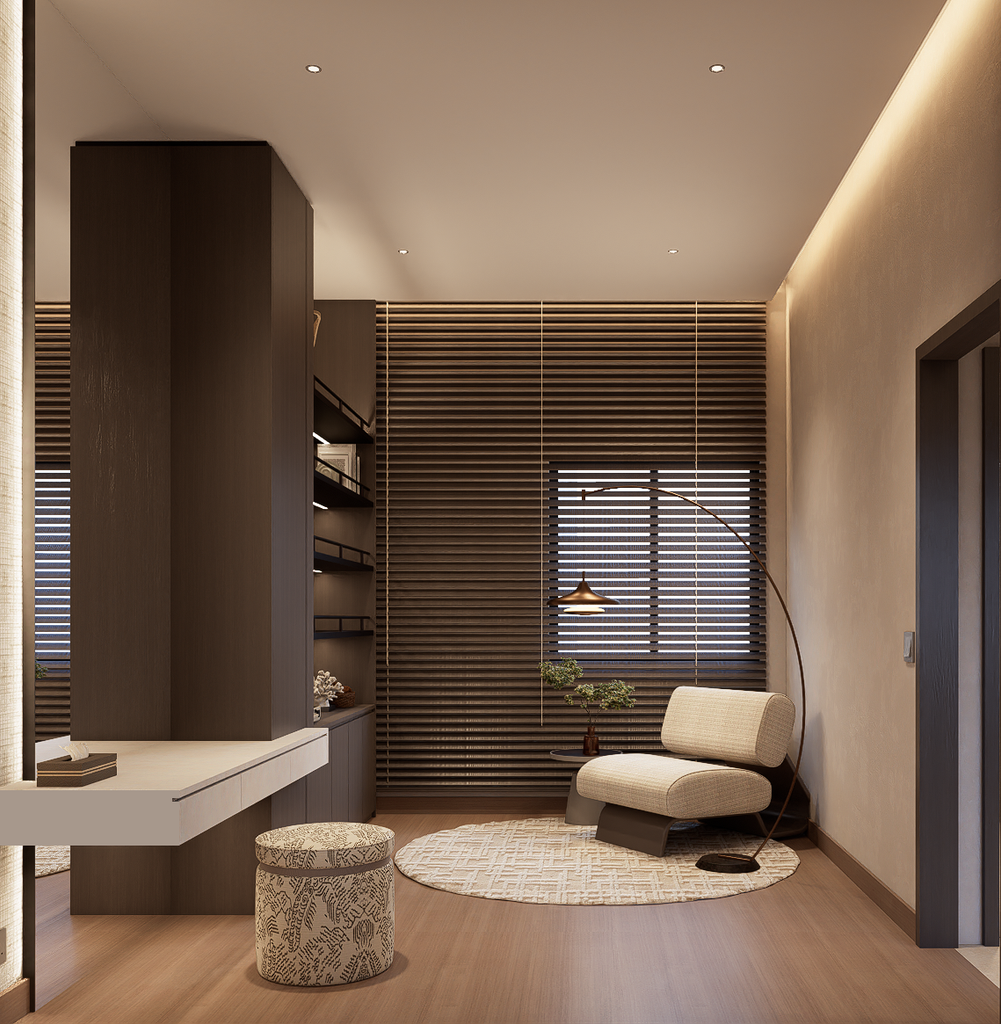
In our residential work, we emphasise greenery, lower density and spaces that encourage better living. For me, sustainable development has to make sense on three levels: commercially viable, environmentally responsible, and meaningful to the community.
18. What is your long-term vision for WEBEST?
To become a respected Malaysian boutique developer known for quality, not quantity. I don’t want WEBEST to be the company that builds the most. I want us to be the company where people say: “If WEBEST built it, I know there’s thought behind it.” Our purpose is simple: Build Things That Matter. Good buildings, yes — but also a good company, good teams, and something that continues to create value beyond my generation.
19. Would you encourage the third generation to take over?
I would never want them to feel obligated. If they have the passion and capability, I’d be proud to support them. But the choice has to be theirs. My job isn’t to hand them a company one day and say “this is yours.” My job is to build something strong enough, meaningful enough, and exciting enough that the next generation actually wants to be part of it.
20. What has been the most rewarding part of leading the family business?
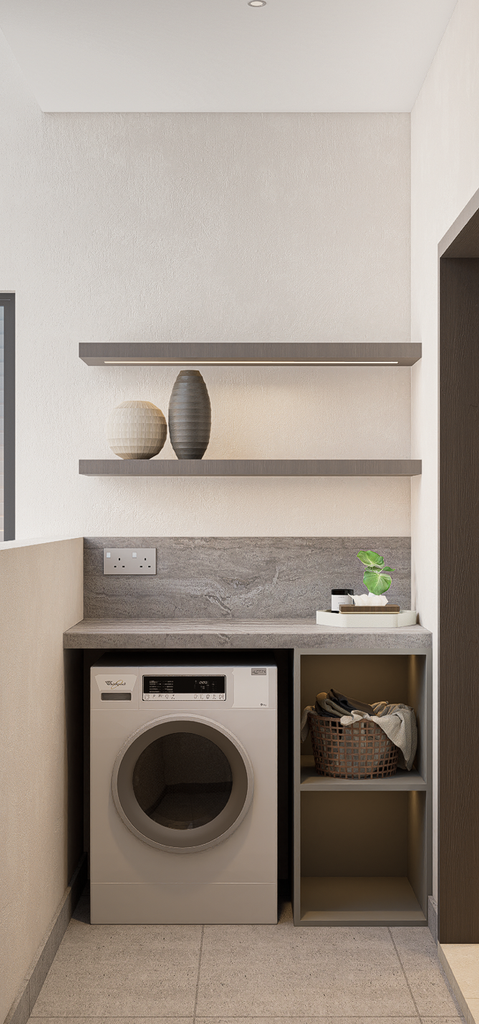
Seeing something go from an idea on paper to something people actually live in. But what’s become even more meaningful is seeing people within the organisation grow with the company. WEBEST isn’t just my family’s business anymore. There are many people and families whose lives are connected to it. That makes the responsibility bigger and the purpose much clearer.
21. If you could go back, what advice would you give yourself?
“You don’t have to have all the answers.” I used to think a leader had to know everything. I now know leadership isn’t about being the smartest person in the room. It’s about surrounding yourself with good people, asking the right questions, and taking responsibility for the outcome. I’d also tell myself: be more patient. Building a company takes time. You don’t need to win every battle. You just need to keep building.
22. What legacy do you hope to leave behind?
Not that I grew WEBEST bigger. That I made it better. My father spent more than 30 years building the foundation. My responsibility is to strengthen it and write the next chapter. I want our people to be proud to work here. Our customers to trust our name. Our partners to know we honour our commitments.
And one day, when I’m no longer running the company, I don’t want people to say “that was Lydia’s company.” I want them to say: “WEBEST has always built things that matter.” That’s the real legacy.