
By Aileen Anthony, Executive Editor, MALAYSIA SME
Something Familiar
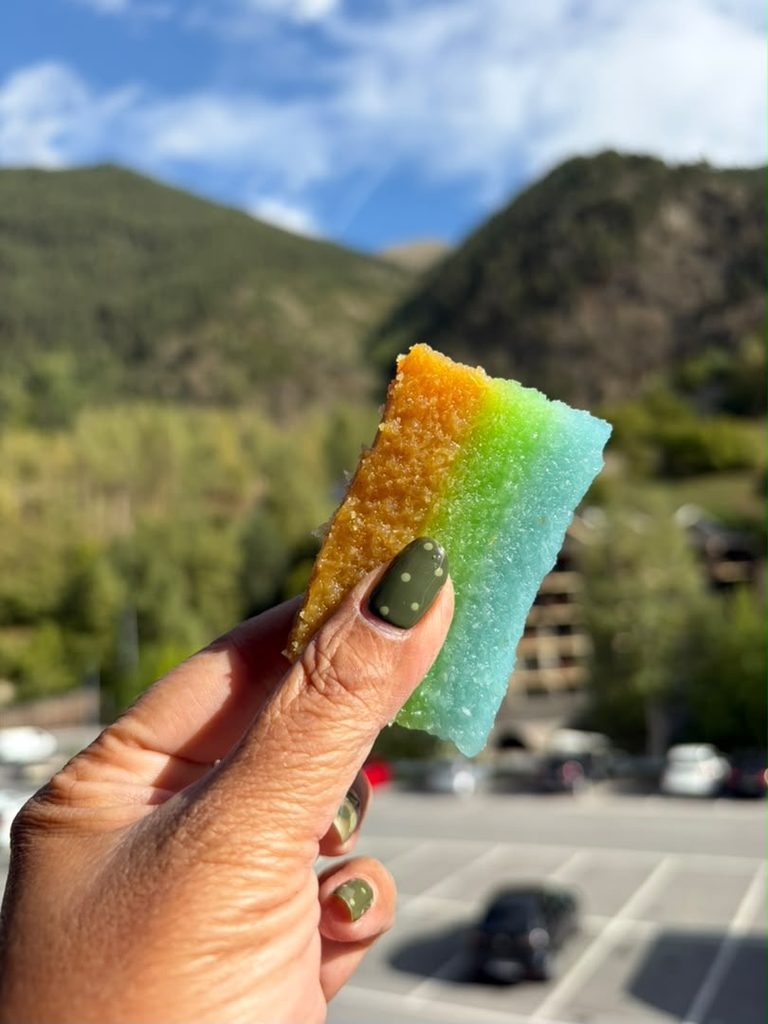
There is something about Malaysian food that makes us feel at home, no matter where we are in the world. The familiar aroma of sambal, the unmistakable smoky fragrance of wok hei rising from a freshly prepared plate of char kway teow, or the simple pleasure of biting into a piece of colourful Nyonya kuih. These are flavours we sometimes take for granted until we find ourselves thousands of kilometres away from home.
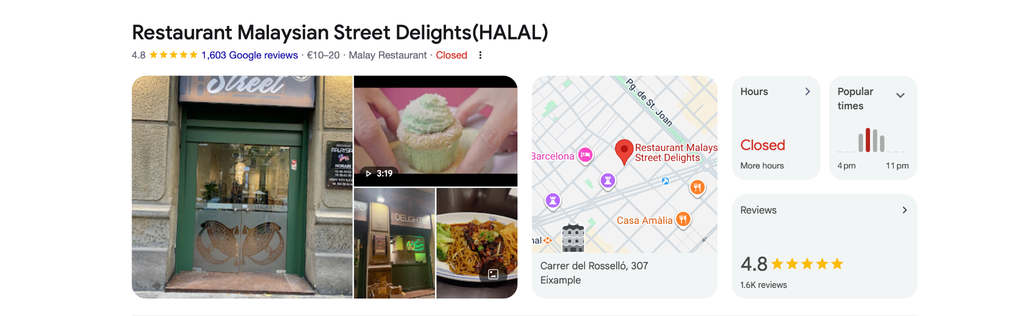
In Barcelona, Spain, a little corner restaurant called Malaysian Street Delights is doing something rather special. It is bringing those familiar flavours to Malaysians who miss home while gently introducing Spanish diners to the richness of Malaysian cuisine.
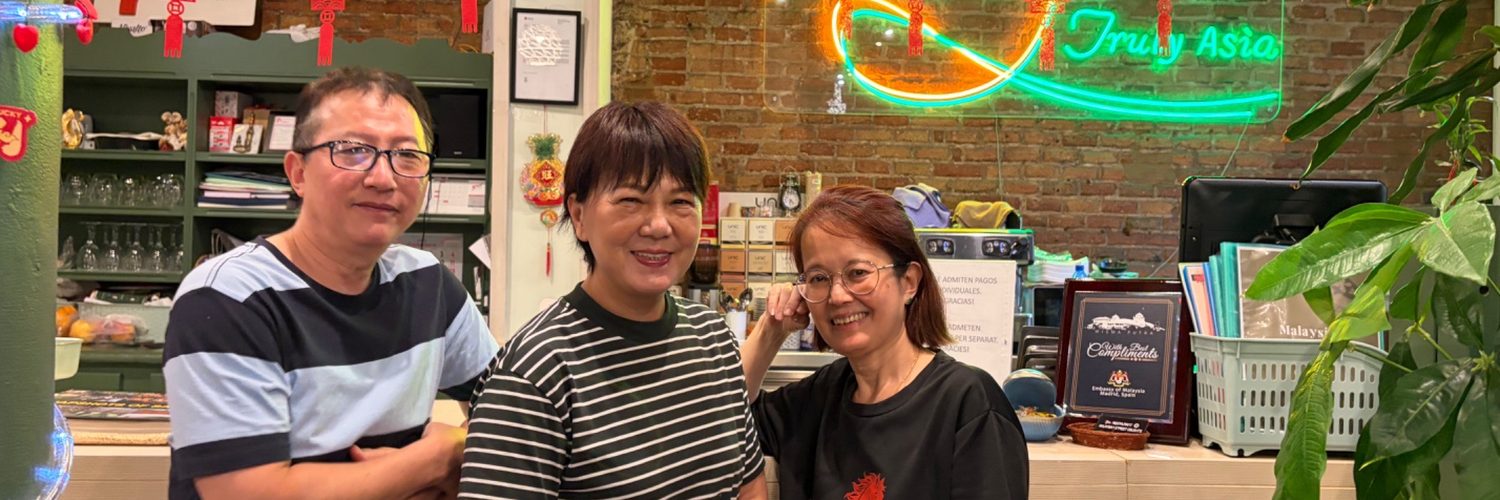
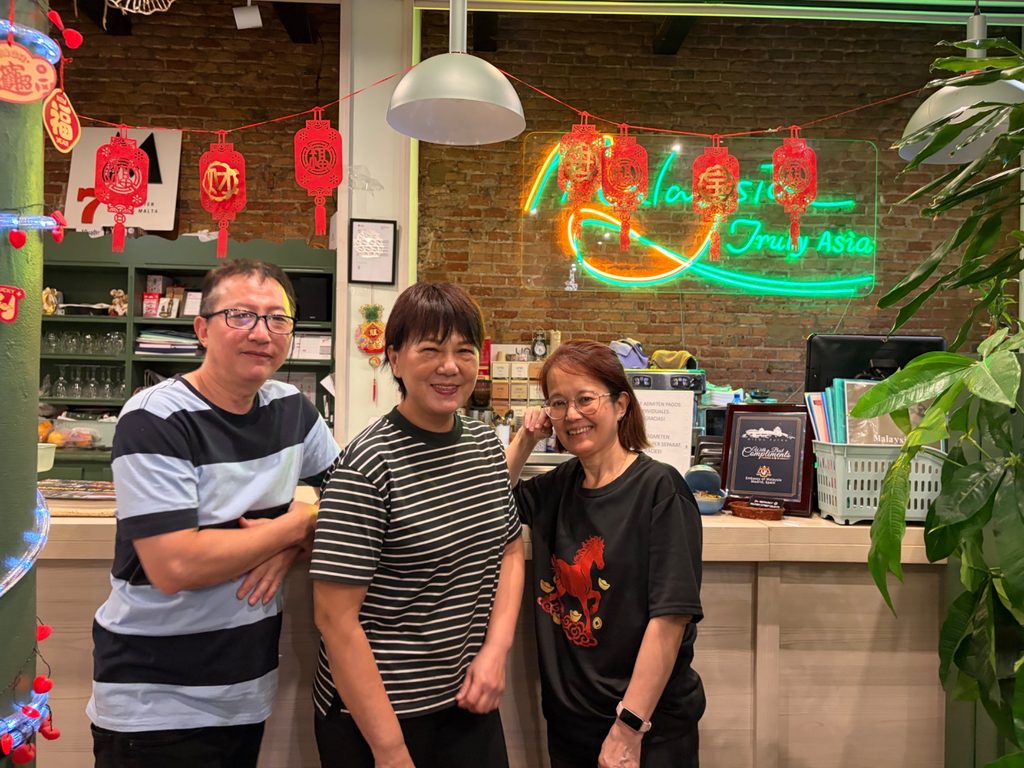
Behind the restaurant are three Malaysians, siblings Peter and Annie Chiew, and Agnes Woon whose journey is as much about food as it is about resilience, friendship and finding a place in a foreign land.
Something Started
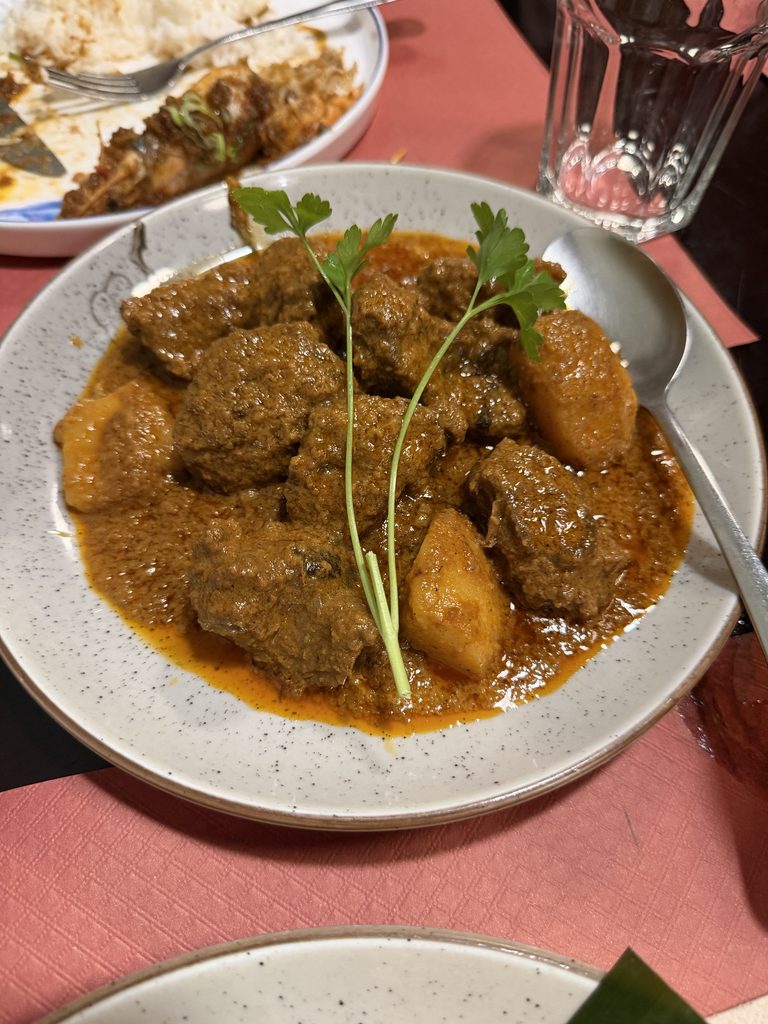
For Peter, who arrived in Spain in the 80s, the journey began with a simple reality. “Because I don’t have a rich father,” he said with a laugh, recalling why he ventured overseas. There was no grand business plan. Just a young Malaysian prepared to work hard wherever opportunities might take him.
He started by washing dishes in a restaurant. Over time, he learnt the business. Annie joined him two years later, and together they built a life far from home. Yet something remained missing. Malaysian food. The opportunity came in the aftermath of COVID-19, when a corner premise became available and Malaysian Street Delights was born.
But introducing Malaysian cuisine to a city with its own strong Mediterranean food culture meant helping customers discover unfamiliar ingredients, flavours and cooking traditions, one dish at a time.
Something Traditional
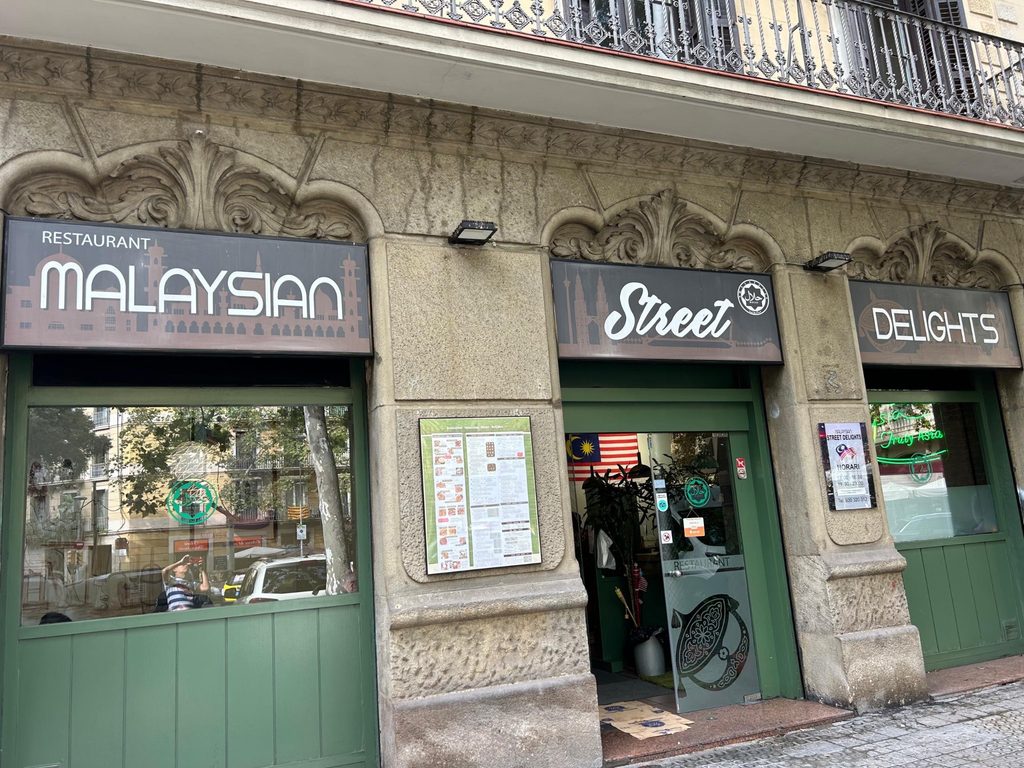
If Peter and Annie brought restaurant experience, Agnes brought another treasured part of Malaysian food culture, traditional Nyonya kuih. The three share roots in Kampung Ayer Salak, Melaka, a connection that makes their partnership particularly personal. Annie spoke warmly about Agnes’s culinary talent. “She has a very good hand in cooking. And making desserts.”
For Agnes, introducing Nyonya kuih meant explaining its ingredients, textures and flavours to customers who had never encountered such delicacies. “Strangely, the locals prefer something sweeter, and we had to up the sweetness of our desserts,” Agnes shared. It took about three years of persistence, explaining and allowing customers to discover the flavours at their own pace. “Today, customers walk into Malaysian Street Delights just to ask what kuih is available,” quipped Agnes with a glint of satisfaction.
Something Authentic
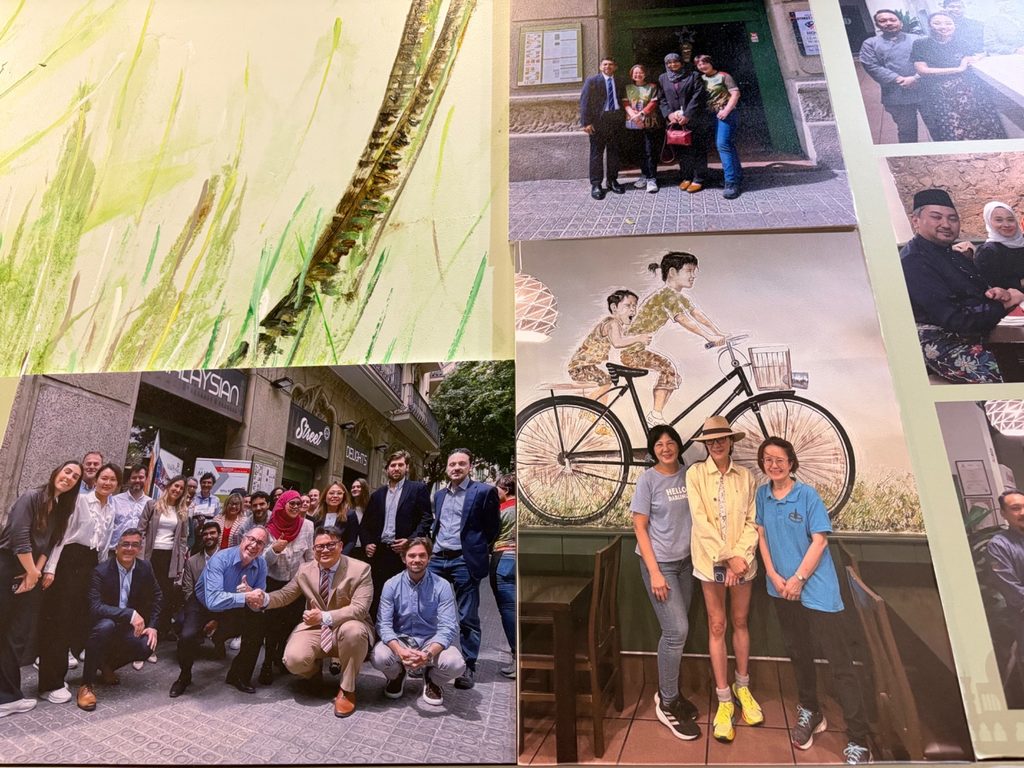
“We try our best to keep our food as authentically Malaysian,” the team shared. That commitment comes with practical challenges. Certain ingredients commonly available back home are difficult, sometimes impossible, to obtain in Barcelona. Peter explained that substitutions are occasionally unavoidable, although the team continues experimenting to bring the dishes as close as possible to their Malaysian counterparts.
Peter trains the cooks, recognising that Malaysian cooking relies heavily on technique, timing and an understanding of flavours. The restaurant sources halal ingredients through suppliers, including Moroccan and Pakistani businesses. Yet authenticity must coexist with an understanding of local preferences.
Agnes explained that Malaysian cuisine can be considerably spicier than what some Spanish diners are accustomed to. Customers have different tolerances, so staff must be patient and attentive, preparing dishes individually to suit each palate.
Something Earned
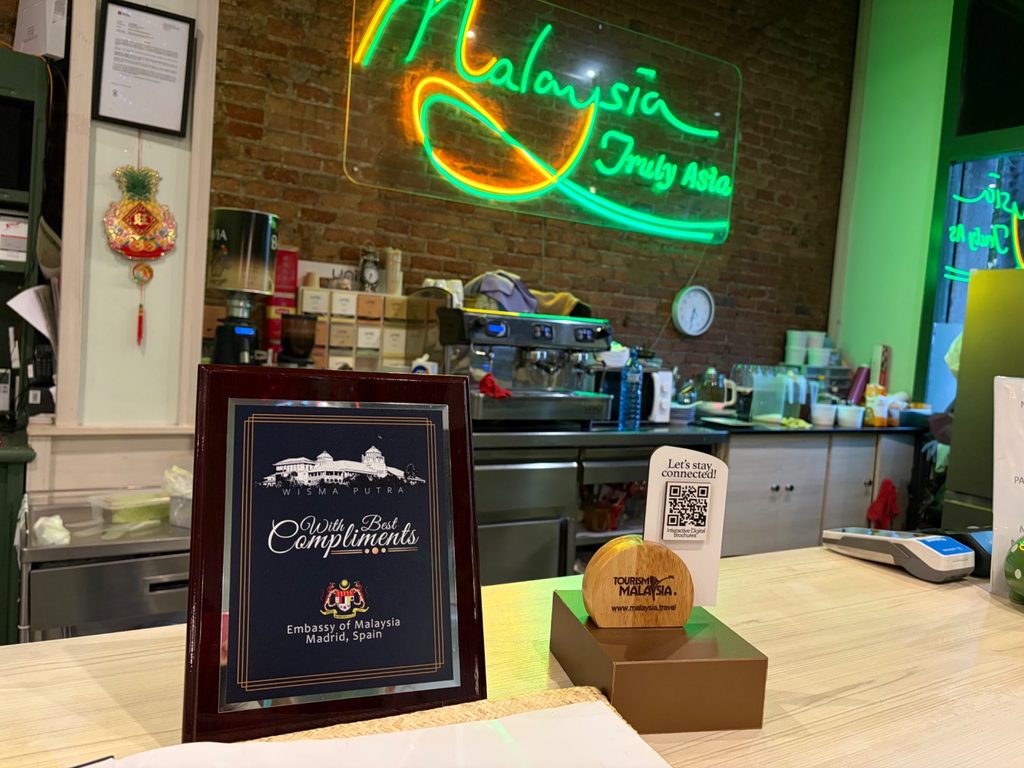
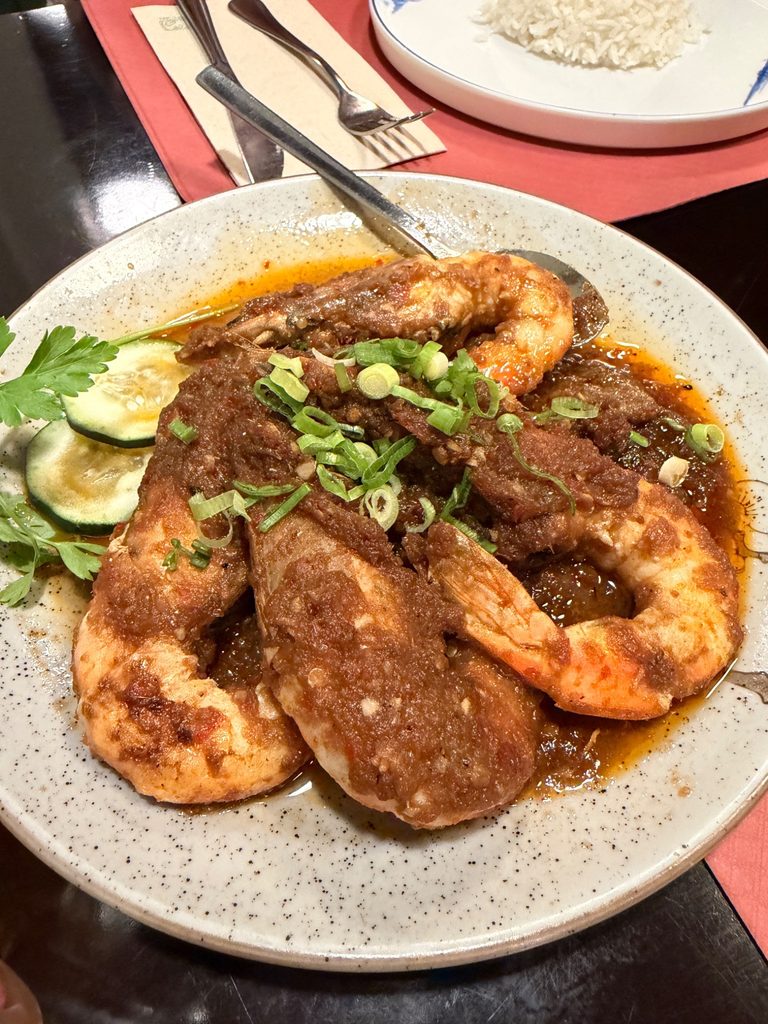
When Malaysian Street Delights first opened, its menu was presented in English, Malay and Spanish. They had overlooked Catalan, a language deeply connected to Barcelona’s cultural identity. One unhappy customer left a one-star review. Peter and Annie took the feedback seriously, revised the menu and placed Catalan first. When customers noticed the change, reviews improved. Today Malaysian Street Delights consistently score almost 5-star ratings online for its food and service.
From the outside, running a Malaysian restaurant in a beautiful European city might seem like an exciting lifestyle business. The reality, Agnes explained, requires considerable sacrifice. “We spend 15 hours in the restaurant.” Preparation begins long before customers arrive. The restaurant opens from 11am to 2 pm and later in the evening to late, but even during the afternoon break, there are ingredients to prepare, desserts to make and countless tasks that diners rarely see. Yet she spoke about the long hours with warmth rather than complaint. “Love and patience in everything we do,” she said. “And you have to continuously improve,” she emphasised, explaining that menus must evolve as customers discover new flavours.
Something Experienced
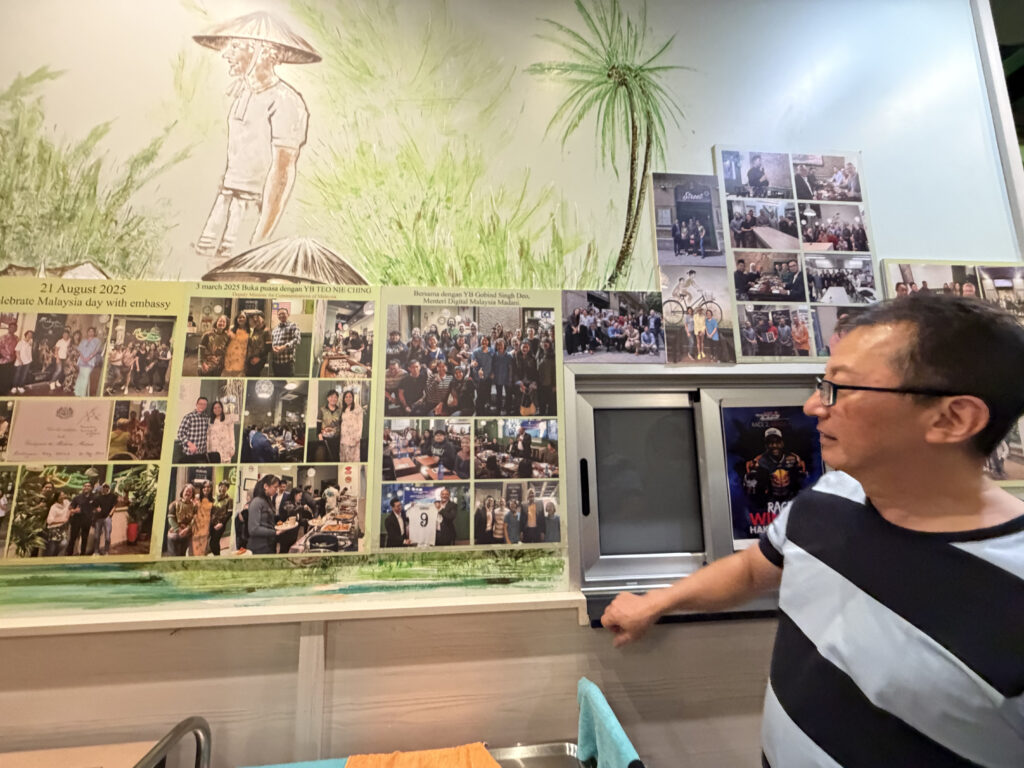
Peter believes Barcelona has room for more Malaysian restaurants. His confidence reflects how far Malaysian cuisine has come in a market where it was once relatively unknown. Nevertheless, his advice to aspiring Malaysian restaurateurs was grounded in experience. “Live here for at least a year,” he advised. Understanding local culture, learning the language, navigating regulations and securing the right professional assistance are essential before committing to a business. Agnes agreed. Entrepreneurs must study the market carefully and be realistic about the sacrifices involved. Passion may inspire the journey, but preparation, adaptability and perseverance sustain it.
Perhaps the most touching part of the conversation came when the discussion turned from business to home. Despite having lived in Spain for decades, Peter and Annie still speak about Malaysia with unmistakable affection. There are familiar places they remember, people they miss and, inevitably, foods that remain impossible to replace. Musang King durian is one of them. “Frozen versions may be available overseas, but somehow, they are never quite the same,” said Peter. Then there is wantan mee. “We are still Malaysians. We still hold a Malaysian passport,” they shared proudly. It was a heartwarming reminder that building a life somewhere else does not mean leaving one’s identity behind.
Something Shared
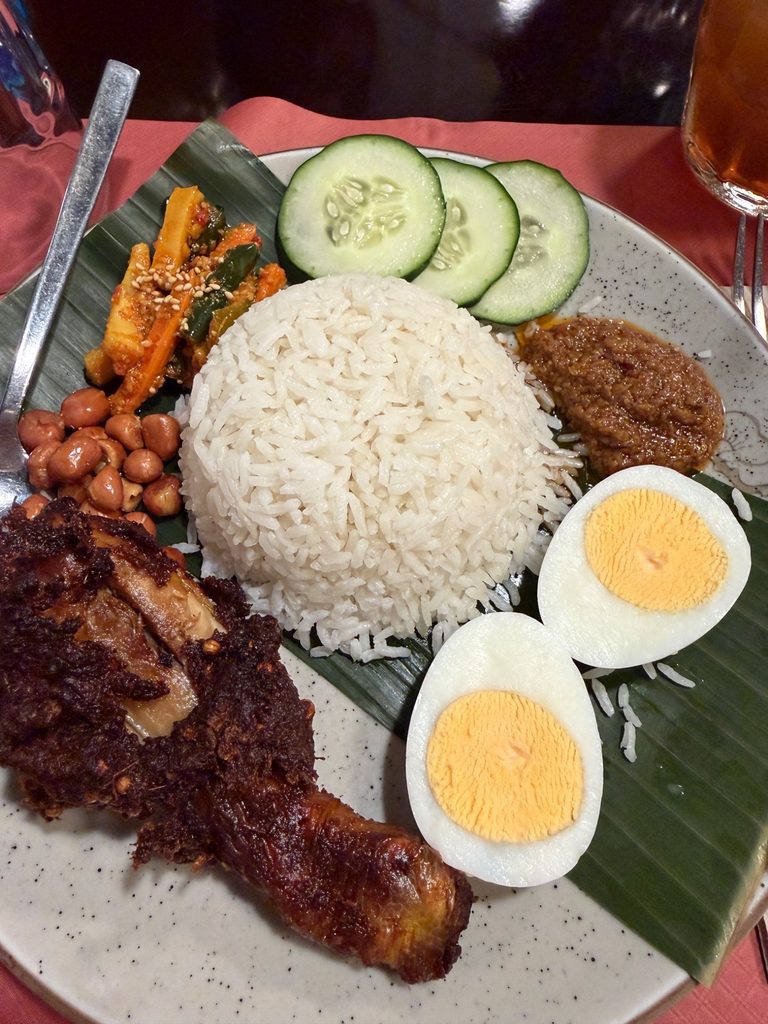
Peter, Annie and Agnes’s story is not one of overnight success, but of ordinary Malaysians building something meaningful through years of hard work, patience and perseverance. Their journey offers a meaningful lesson for Malaysian entrepreneurs looking beyond our borders. International expansion is not simply about taking a successful product overseas. It is about learning, listening and adapting without losing what makes the business distinctly its own.
At Malaysian Street Delights, that journey continues, one freshly prepared dish and one warm conversation at a time. And perhaps that is the beautiful thing about Malaysian food. It brings people together, even when they come from entirely different cultures. For Peter, Annie and Agnes, every plate carries something of their Malaysian roots. Because wherever Malaysians go, a little piece of home inevitably travels with them.