

By Aileen Anthony, Executive Editor, MALAYSIA SME
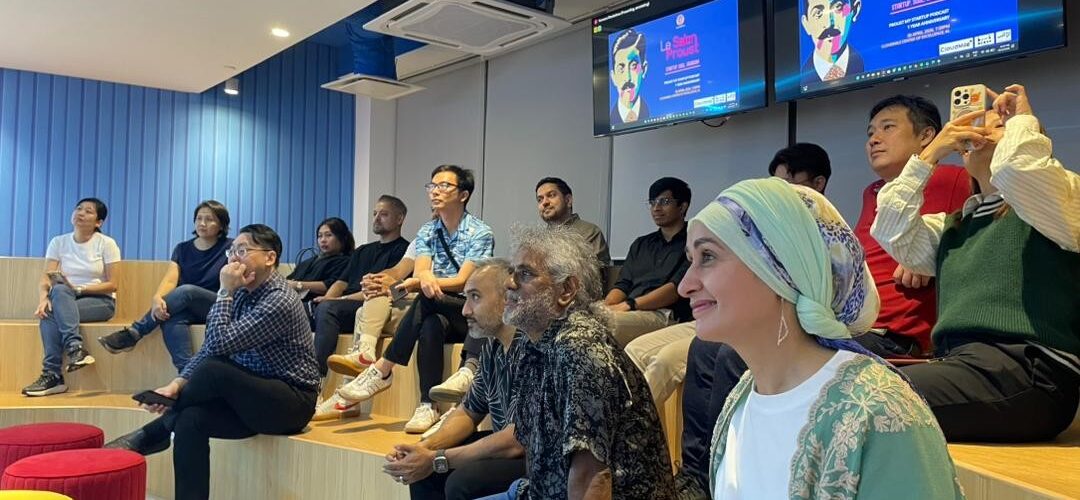
The evening, Le Salon Proust, pronounced in French as “luh sah-lohn proost”, to mean “The Proust Lounge” in English, marked a reflection of the first year of the podcast, which had featured 28 interviews and conversations with founders, ecosystem builders and personalities across Malaysia’s startup landscape.
There was something unusually intimate about the atmosphere Moulédous created. Not manufactured intimacy but something genuinely layered and warm. Children literally meandered in and out of conversations. Moulédous explained in jest, “They wonder what their maman is doing daily, so I brought them here to see first-hand.”
Founders laughed about things unrelated to business. A stand-up comedian spoke about philosophy and memory. Coconut water became part of a sensory experiment. “Progress is all about deep, personal connections,” Moulédous told the room early in the evening. That line explained the entire night.
Questions That Had Nothing To Do With Business
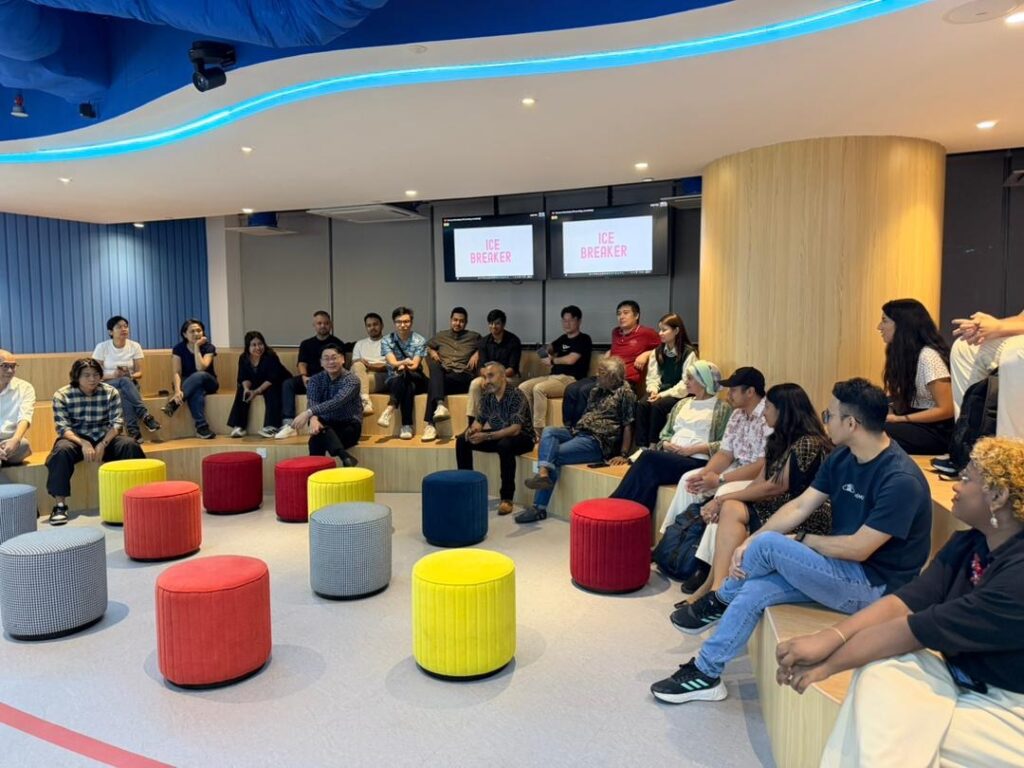
Malaysia’s startup ecosystem has matured rapidly over the years. There are more founders, more accelerators, more funding conversations and more institutional support than ever before. Yet with that growth also comes a certain sameness. Events start following familiar templates. Networking turns transactional. Moulédous appeared deeply aware of this. Instead of beginning with keynote speeches or startup metrics, she moved through the room asking questions that had nothing to do with fundraising, traction or valuation. What sound do you find comforting? What smell instantly takes you somewhere? What ritual do you enjoy most?
One founder answered simply, “I like the sound of rain.” Another spoke about “the sound of my coffee maker” and “the smell of toasted bread.” Another reflected on childhood memories of “running through the jungle” while growing up in Sabah. Another, admitted his newest hobby was simply sitting in front of an aquarium watching goldfish swim.
None of these details mattered in the traditional startup sense. Yet during the evening, they somehow meant the most. Moulédous introduced people not through achievements alone, but through relationships, personalities, observations and stories. A founder became “one super grounded” mentee. Another became someone who “always has a great answer.” She endeared to each person, because we all have a unique story that resonates our innermost aspirations.
Coconut Water and Proust
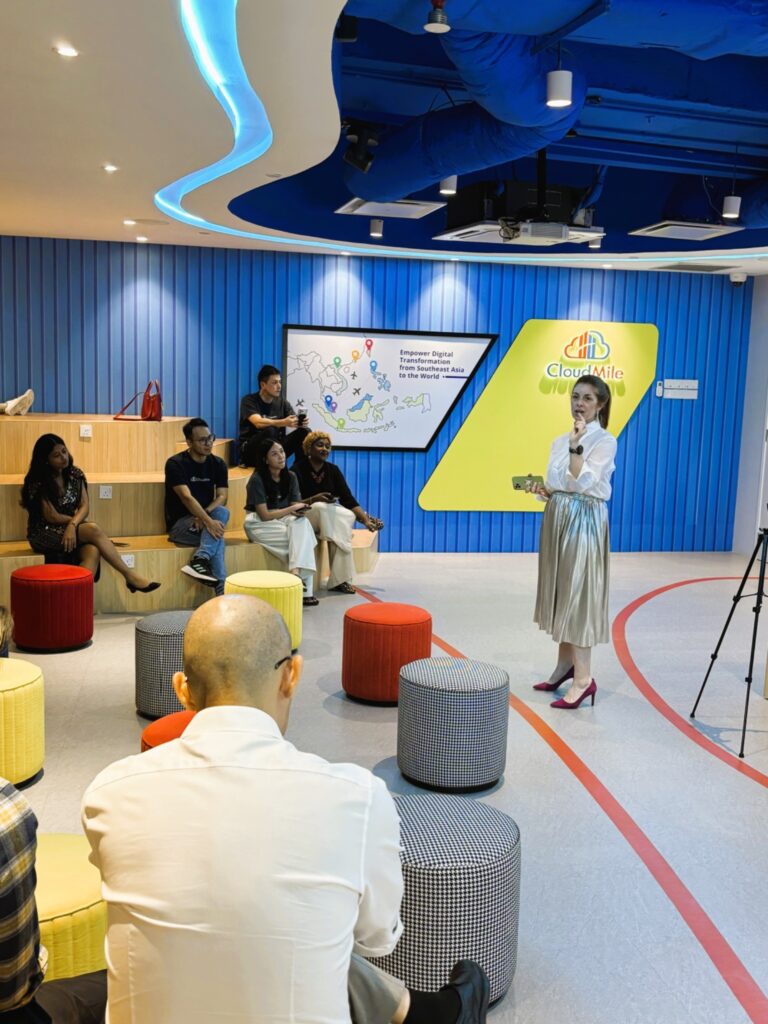
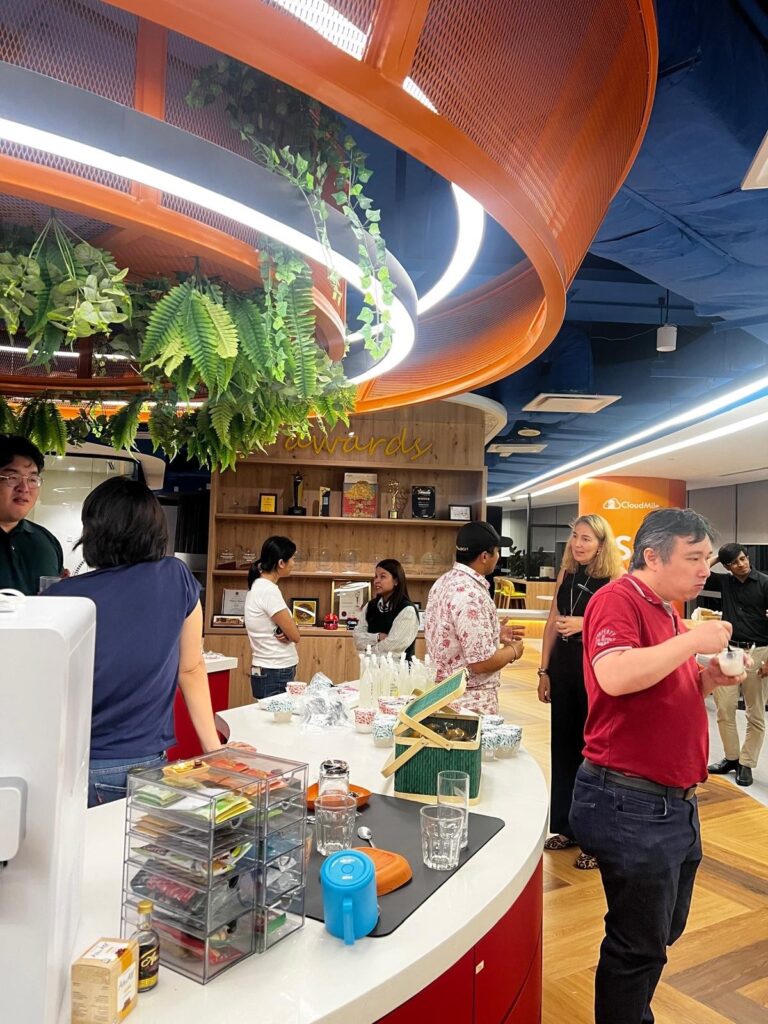
Even the sponsors reflected the spirit of the evening. CloudMile was introduced less as a corporate sponsor and more as a long-term ecosystem partner aligned with the same vision of building meaningful connections within the community. Meanwhile, WellB were introduced as founders navigating agriculture, food innovation and sustainability through persistence and experimentation during difficult periods like COVID-19. “We wanted to create coconut water as a base for a lot of things,” one of its founders, You Le Chong shared.
Another moment that stood out was how naturally Moulédous brought philosophy and literature into a room usually dominated by conversations around scale and execution. Speaking about why she was grateful for BookXcess being involved in the evening, she reflected on the importance of reading beyond business books and startup playbooks.
“When you read, most of you read efficiently,” she said jokingly, referring to founders consuming self-development and business material with relentless practicality. Then came the idea. “When you use philosophers to reflect on your life challenges, you can use it actually to reflect on business challenges as well.”
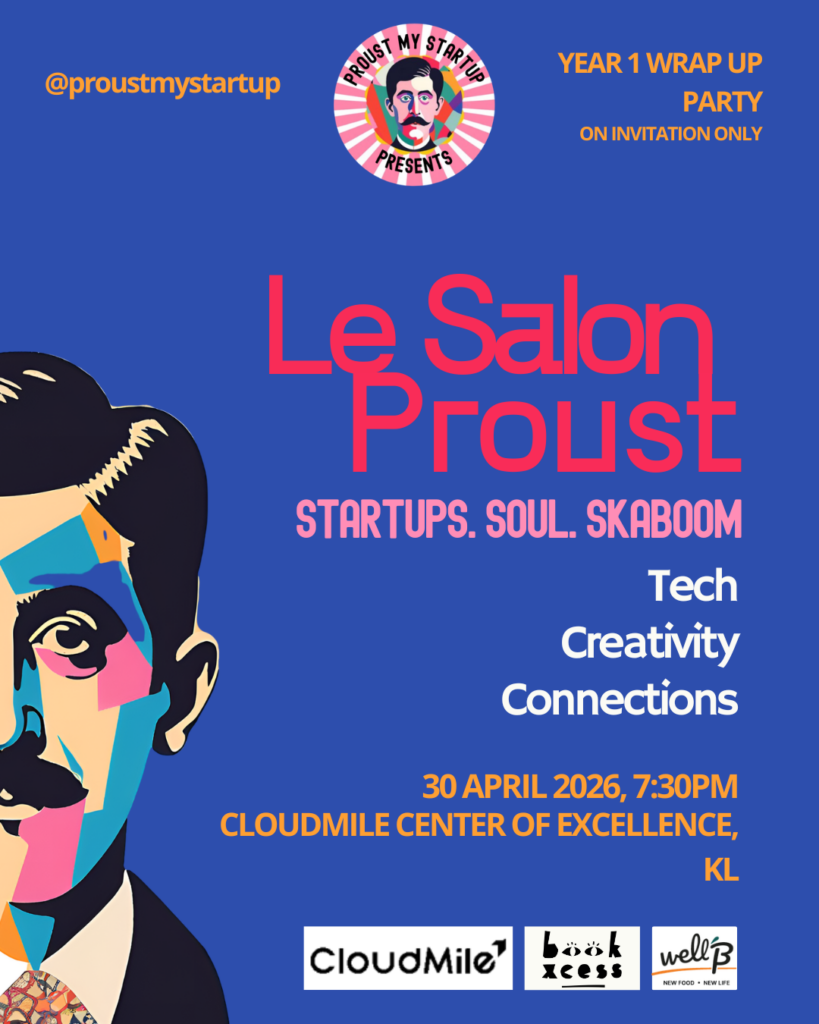
At the centre of that conversation was Marcel Proust, the early 20th century French writer whose work inspired the name of her podcast. Proust is widely studied in French classrooms because he is considered one of France’s most important literary figures, particularly for how he explored memory, time, emotion, society and human behaviour through deeply reflective writing.
His work is used to teach literature and language and beyond that, encourage observation, interpretation and critical thinking about the human condition itself. French education traditionally places strong emphasis on philosophy, introspection and analysing how language shapes meaning, and Proust’s writing, famous for its long, layered sentences and emotional nuance, fits naturally into that tradition.
Ironically, many French students anguish about reading Proust while they are in school because the books are dense and demanding, but later in life, many return to him and appreciate him differently, especially once they have more lived experience to connect with the themes. Moulédous herself laughed about once struggling through Proust during her school years in France.
When Comedy Became The Most Honest Part Of The Night
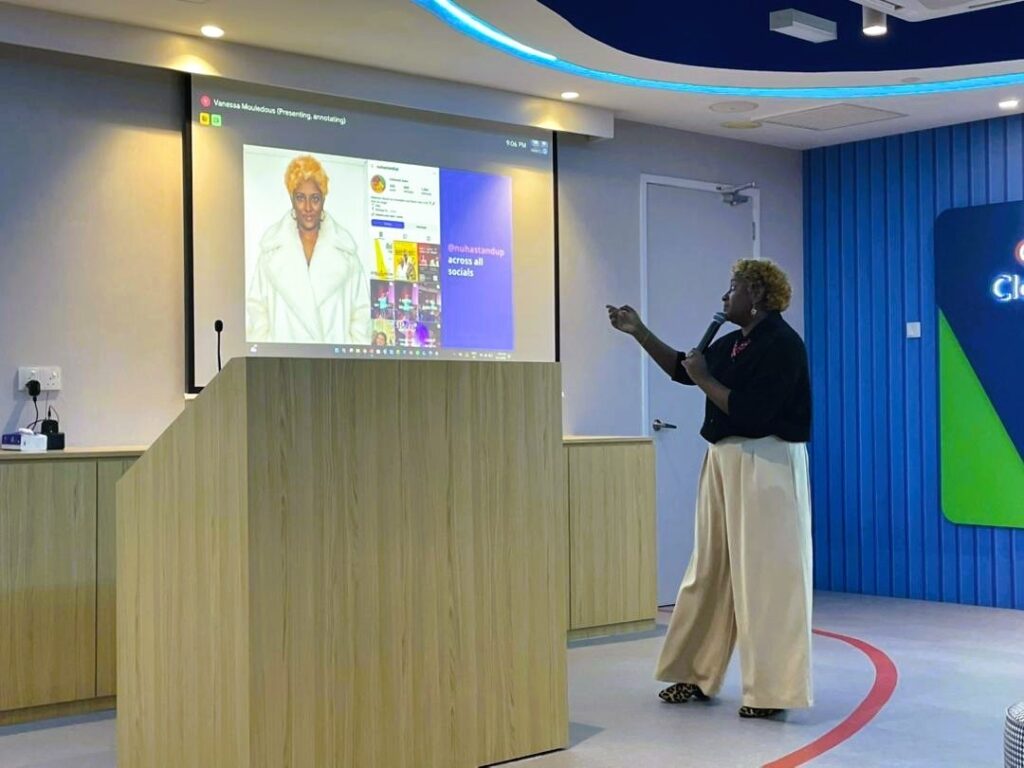
That reflective tone reached its peak when stand-up comedian Nuha, whom Moulédous had previously watched perform and decided to support as part of her habit of championing local creative acts, took the stage for a specially self-sponsored appearance created for the evening. More than simply entertainment, the session became a platform for Nuha to showcase and experiment with her craft before a room she would not normally perform for. The brief from Moulédous had been unusual, connect Proust, startups, philosophy and human behaviour into comedy.
On paper, it sounded impossible. In execution, it became the emotional centrepiece of the night. Nuha moved fluidly between humour and observation, joking about relationships, laser-eye surgery gifted by her boyfriend, startup culture and cultural differences, before unexpectedly tying everything back to entrepreneurship and human behaviour.
“Sometimes it’s not about having the perfect product,” she said while reflecting on Proust’s famous salon culture in France. “It’s about having the perfect relationship.” The room laughed, but it was the kind of laughter that came with recognition. Because everyone in that room understood the truth behind it.
Malaysia’s startup ecosystem is deeply relationship-driven. Founders remember who helped before traction arrived. Communities matter and in many ways, Moulédous herself has become part of that connective tissue, building spaces where conversations are allowed to exist outside the usual founder narratives.
An Event That Ended With Memory

Towards the end of the session, Nuha guided guests through a sensory exercise inspired by Proust’s famous madeleine memory experiment. In his novel In Search of Lost Time, the “madeleine moment” occurs when the narrator dips a shell-shaped madeleine cake into lime-blossom tea. The taste and smell unexpectedly trigger a powerful, vivid, and involuntary flood of childhood memories.
In the same fashion, guests closed their eyes and drank coconut water while reflecting on what memories surfaced. One immediately answered, “The beach.” Another reflected on university memories. Nuha herself shared, “Every time I got sick, my grandma would put gallons of coconut water into me. So now, just one sip and I feel healthy.”
It was an absurd exercise for a startup gathering. Yet it also became one of the evening’s most revealing moments. Because beneath every founder, investor, mentor and ecosystem builder is still a person shaped by memory, insecurity, aspiration, exhaustion and hope.
And in typical fashion, she did not simply speak about founders needing to read beyond startup books and productivity frameworks. She acted on it. Through BookXcess, every guest left the evening with a book in hand, encouraged to pick whichever title “tickled” them most.
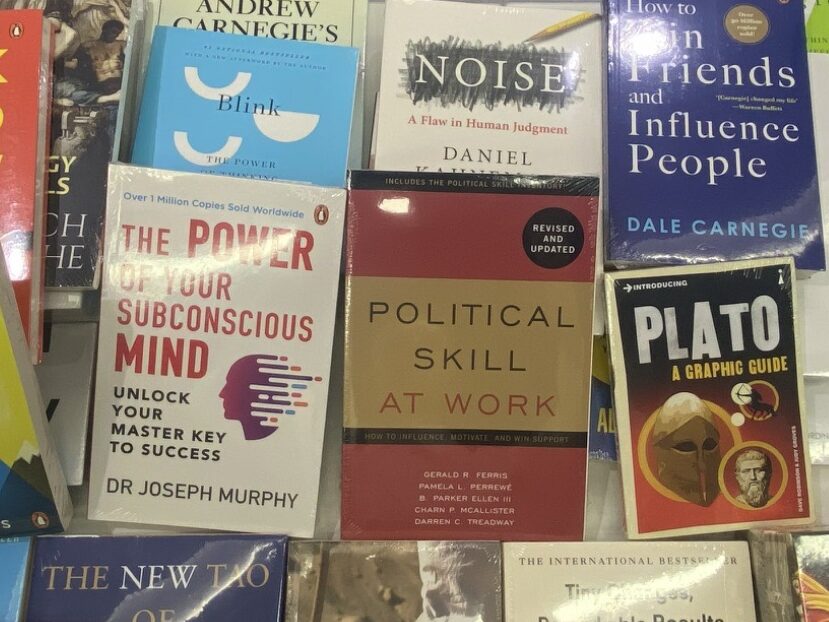
Some picked philosophy. Others gravitated toward literature, reflection or self-development. As for me, resting now on my nightstand is Friedrich Nietzsche’s On the Genealogy of Morals. Somehow, it felt like the perfect souvenir from an evening that nudged guests to think not only about what was being created, but about who we become in the process.