

By Aileen Anthony
“Another podcast?”
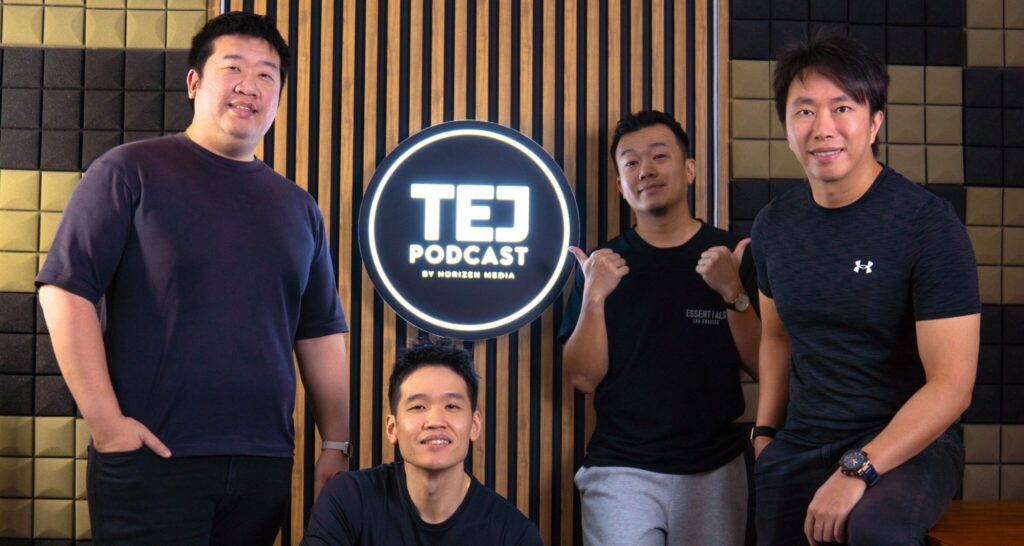
It is a fair question. Podcasts have multiplied across almost every subject, from finance and personal development to entertainment, health and business. With microphones, cameras and digital platforms becoming increasingly accessible, almost anyone can start one. Gene Loo and Steven Fong, however, did not set out to create another casual conversation filmed around a table.
From the beginning, they wanted The Entrepreneur Journal, better known as TEJ, to feel closer to a cinematic business documentary. Every episode would have structure, emotional build-up and a carefully produced opening that worked almost like a film trailer. The intention was to draw viewers into an entrepreneur’s journey rather than simply record a discussion.
“We want people to feel like they are watching a movie. There is a hook, a build-up and then the actual episode. User experience is key to the production,” Gene explained. That ambition shows in TEJ’s production choices. Its emerging market position may also be driven by something deeper: the two people asking the questions have lived through many of the realities they are exploring.
Two Very Different Journeys
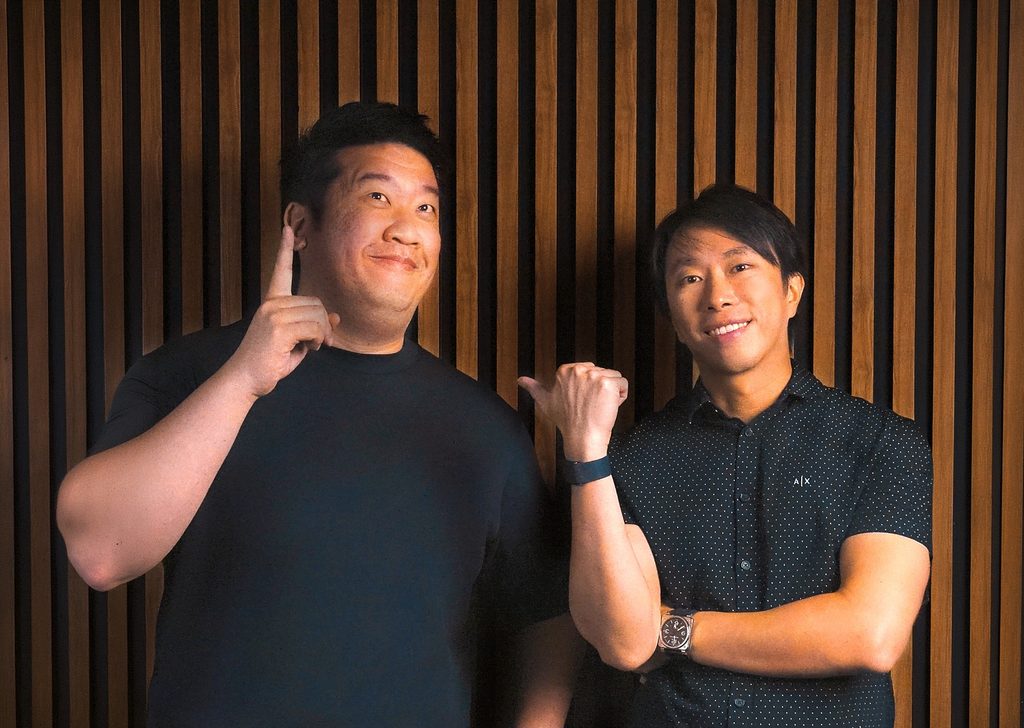
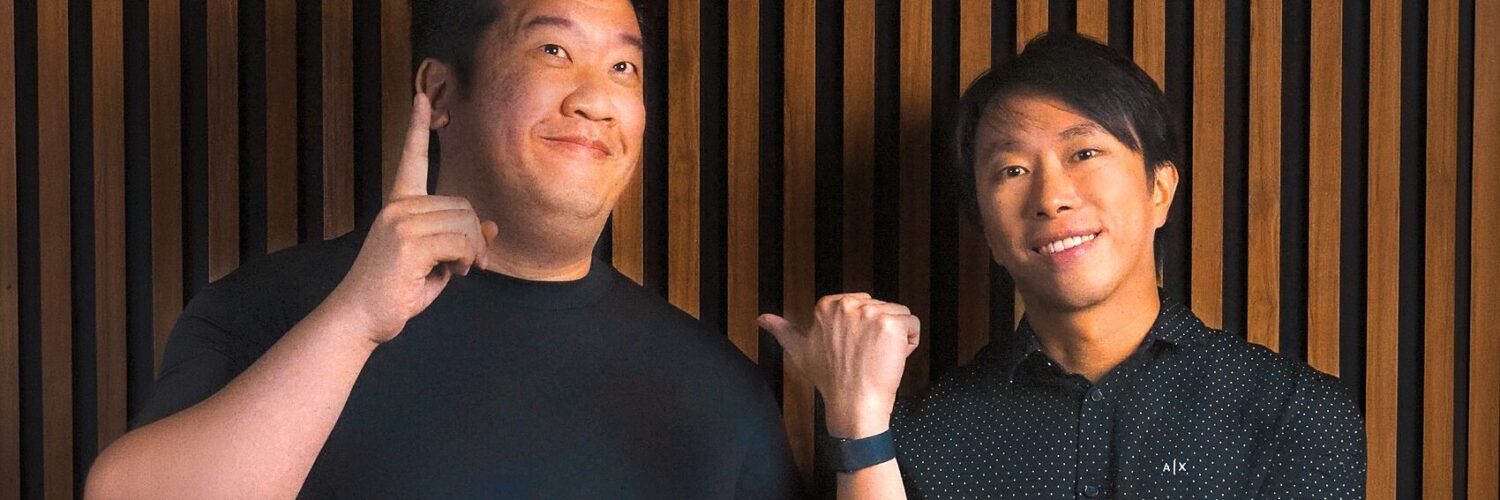
Steven’s entrepreneurial journey has been anything but linear. Trained in interior architecture, he began working for himself shortly after college, building businesses across the entertainment and technology spaces he has always been passionate about. Over the years, he founded several companies. Some he built and grew. Not every bet paid off. He has lived through failed partnerships, cash flow crises and hard pivots, but each experience sharpened his sense of what it actually takes to keep a business alive. “When a guest speaks about debt, shareholder conflict, hiring difficulties, cash flow or the collapse of a partnership, I don’t have to imagine the pressure; I know it,” Steven shared.
Gene arrived at TEJ through a different route. He began as an animator and game designer before joining what was then a games and animation studio, where he spent two decades. During that time, he progressed from junior artist to team lead, production manager and eventually head of production. He helped restructure divisions, build teams and grow the organisation to around 500 people. Yet after years in the industry, Gene began questioning what should come next. That transition arrived sooner than expected when the company was acquired and Gene found himself caught between competing visions. Steven, meanwhile, was dealing with challenges of his own. The two met and their conversation sparked ideas and that led them to build something they were both passionate about.
From a Functional Drink to a Media Business
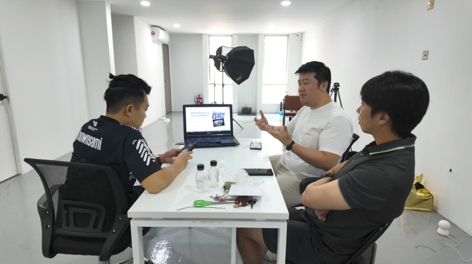
Interestingly, the podcast was not their original business idea. Gene and Steven initially explored developing a functional beverage for entrepreneurs and high-performing individuals. They invested in research and formulation, but the economics proved challenging. Bringing the product to market would have required high manufacturing volumes and capital. They put the beverage on the back burner, for now.
The media component, however, could begin immediately. Their thinking for TEJ should be was inspired by the use of storytelling to build communities rather than simply promote products. More importantly, it could address a problem Steven had experienced personally: finding a suitable business mentor was difficult. TEJ could not replace direct mentorship, but it could make the experiences of many entrepreneurs accessible in one place.
“We wanted a platform where CEOs and business owners could sit down and answer the difficult or relevant questions that someone starting or running a business may have,” Steven said. “You may not have a mentor, but through TEJ, you could learn from many founders who have walked that path before you.”
The name of the podcast would aptly reflect that purpose. Both founders admired the cinematic treatment of interview programmes and began considering what could represent a broader business journey. The answer was a journal. A diary is often private, they shared, but a journal can be documented and revisited. Each TEJ episode, they felt, could become another page in a growing collection of entrepreneurial experience.
Audience Survey Results Offer Validation
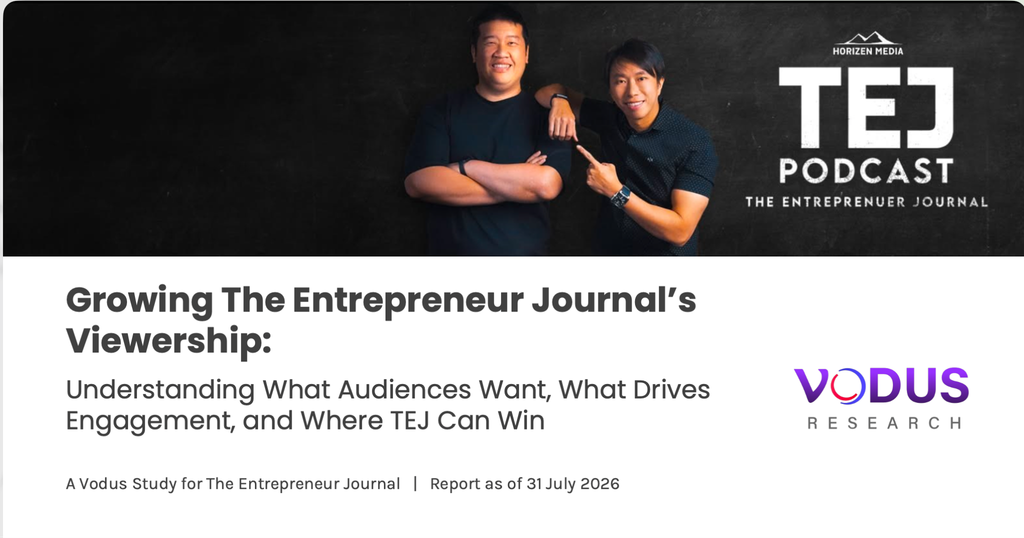
TEJ’s recent audience research offered the founders a welcome indication that their strategy is working. According to findings by Vodus Research, TEJ is tied as the second most preferred channel for business content among respondents in Malaysia, alongside other popular podcast channels. The survey showed that TEJ is reaching a concentrated and relevant business audience. The findings also pointed towards the qualities viewers associate with the platform: real entrepreneurial stories, useful business insights and a strong emotional connection with its guests.
“We believe the findings can be attributed to viewer experience,” Gene shared. For Steven, it is also about the willingness to continually improve by studying performance and audience response. Both, however, agree that authenticity matters. The objective is to create the warmth of a conversation between people who understand business while retaining the discipline necessary to produce a useful and engaging programme.
From Stories to Business Utility
The survey also gave TEJ a clearer picture of what its audience appreciates. TEJ’s guests have included founders of small, lean enterprises, established SMEs and publicly listed companies. They come from different communities, industries and stages of development. For Steven and Gene, Malaysian entrepreneur stories must reinforce the value of local experiences drawn from across the country’s business community.
A company with a small team may generate millions in revenue. A large organisation may have impressive turnover but thin margins, heavy borrowings or little available cash. Entrepreneurship does not automatically mean wealth, just as employment does not automatically mean financial limitation. These are precisely the realities Gene and Steven want TEJ to reveal.
“The audience wants to understand how it relates to them. We need to drive the conversation towards business strategy, how someone improved sales, got out of debt or ran a campaign that tripled the business.” Not every entrepreneur will disclose profit margins or precise financial data, but TEJ encourages guests to share meaningful indicators, such as revenue, growth stages or the economic consequences of important decisions.
The Work Behind the Conversation
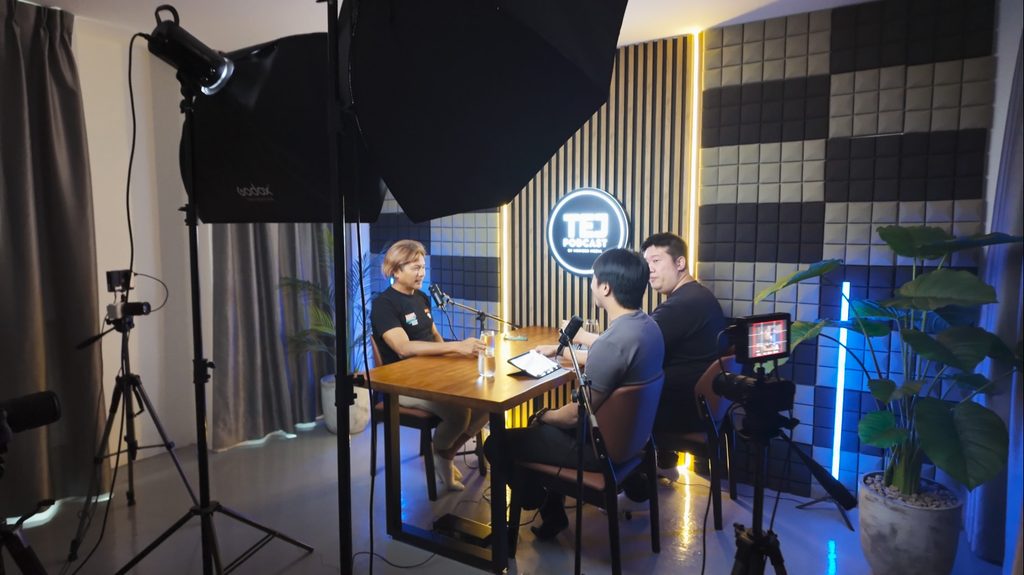
TEJ’s polished appearance conceals a production process that stretches across eight to ten weeks. Before filming, the team identifies and evaluates potential guests. Gene and Steven often meet them for a preliminary conversation. The team then conducts research, prepares questions and schedules filming.
The studio operates with multiple cameras recording in 4K, professional lighting and dedicated audio equipment. The material then moves to a post-production team for editing, colour grading, sound processing and subtitles. Post-production is part of the storytelling, not an afterthought. “Our editors understand TEJ’s visual language, particularly its signature opening trailers,” Gene explained.
For added reach, the podcast is repurposed into short-form videos, vertical trailers, thumbnails, captions and platform descriptions. “A crew of people are involved across the different stages of production, editorial, visual, audio and marketing expertise,” Steven said. “This commitment to quality is part of TEJ’s competitive positioning.”
Becoming a Business Media Brand

TEJ is an intellectual property developed under Horizen Media Sdn. Bhd., the parent company Gene and Steven established. Their ambition extends well beyond operating a single podcast. The name itself captures that intent. Horizen, intentionally spelt with an ‘e’ instead of an ‘o’, brings together the ideas of horizon and zen — paired with mindfulness, balance and patience. It reflects the attitude the founders try to live by and the message they want to share: aim wide, but stay grounded and deliberate in how you get there. Under that banner, Horizen Media is developing channels across fitness and wellness.
TEJ’s editorial content also extends beyond YouTube. According to the founders, TEJ is available in more than 40 hotels, MyTV and TV Sarawak, giving the programme access to audiences outside conventional podcast platforms. Future plans include programmes in Mandarin or Cantonese and, eventually, regional editions for markets such as Indonesia, Thailand and the Philippines.
Gene and Steven ultimately want TEJ to become a household name in the business niche, a ‘place’ people visit when they want to understand entrepreneurship, learn from leaders or hear questions rarely answered publicly. The positioning reveals entrepreneurship through a collective mentorship experience.
The Entrepreneur Journal may have started as one component of a larger business idea. But audience acceptance suggests it is now becoming the idea itself, a growing capture of what Malaysian entrepreneurship actually looks like, one difficult, instructive and occasionally triumphant ‘mike moment’ at a time.