
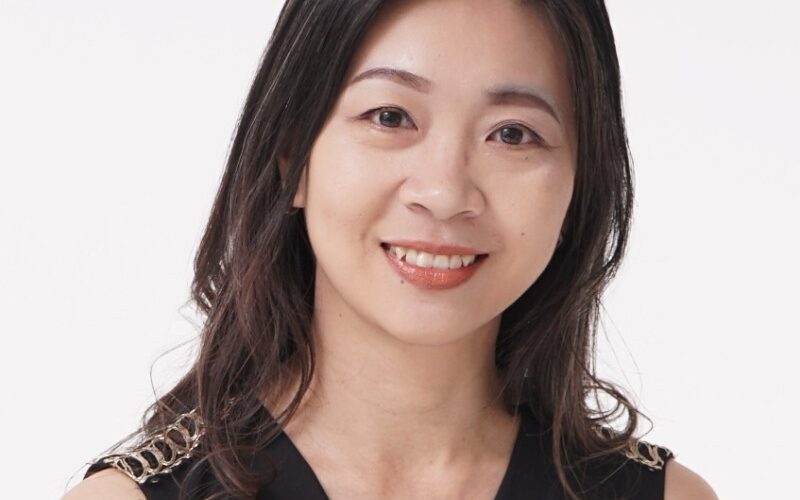
by Harriet Santhana
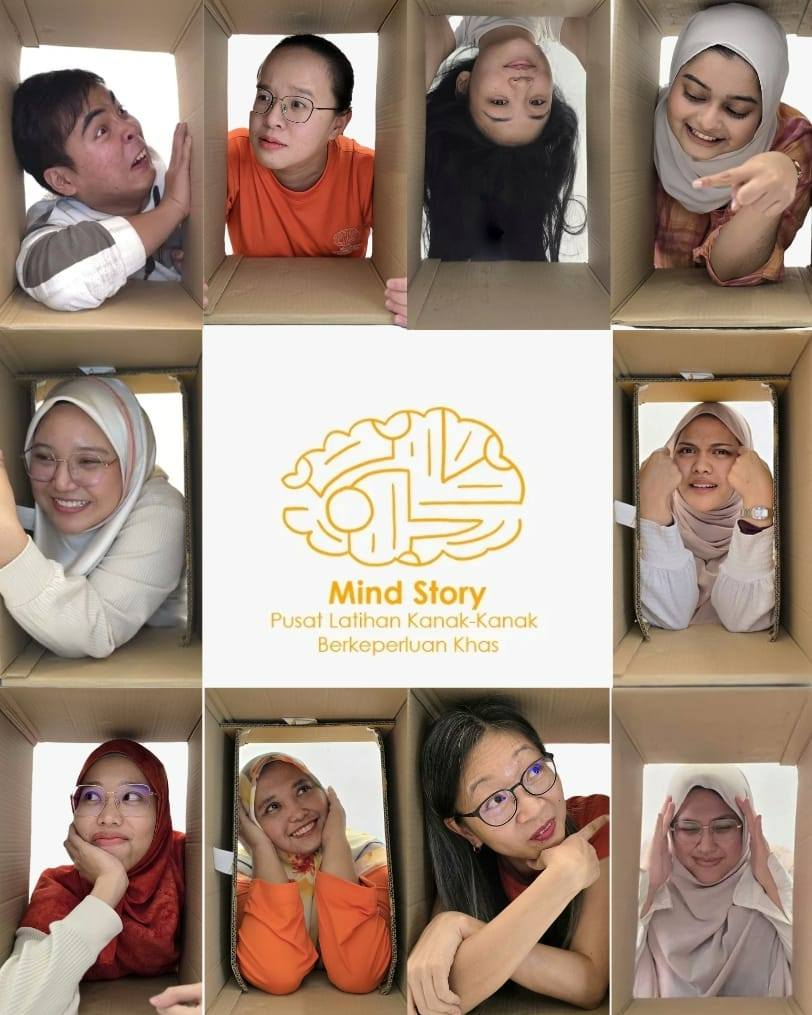
Chee Ling did not begin her career in special education. With close to 15 years spent in higher education, she had held leadership roles across both large and small institutions, most notably as Chief Executive Officer of Dika College. It was there that her exposure to special needs education deepened.
At the time, Dika College offered two key diploma programmes – Early Childhood Education and Special Needs Education – training teachers who would eventually work with children. One initiative during her tenure involved creating a physical space where trainee special needs teachers could intern, at a time when formal schooling options for children with special needs were limited and largely therapy-based.
That centre began operations in 2019. When the pandemic struck in early 2020, the team pivoted swiftly to online learning, shipping materials to families and guiding parents through virtual sessions. But as the MCO stretched on, the school was eventually closed.
What followed was an unexpected turning point.
“The team didn’t want to separate,” Chee Ling recalled. “They didn’t want to go under different organisations. They wanted to stay together – because of the children.”
Initially, Mind Story was conceived as a transitional solution, a small freelance collective that would allow the team to continue working together. With only nine children continuing on at the time, Chee Ling never intended to run the centre herself. But gradually, her own priorities began to shift.
After years navigating institutional policies and administrative challenges in higher education, she found herself drawn to the immediacy and meaning of the work happening at Mind Story. Eventually, she made the decision to leave her corporate role and commit fully to the centre.
“Doing this felt more meaningful than what I was bringing to the table before,” she said. “Five years later, here we are.”
Rethinking Accessibility in Special Needs Support
From the outset, Chee Ling was clear about the role Mind Story would play within the special needs ecosystem. She observed a persistent perception in the market: that raising a child with special needs was a “rich person’s problem,” solvable only through expensive therapy packages that ran into five- or six-figure sums annually.
“That’s not true,” she said firmly.
“Special needs is not a rich people’s problem. It’s anyone’s problem.”
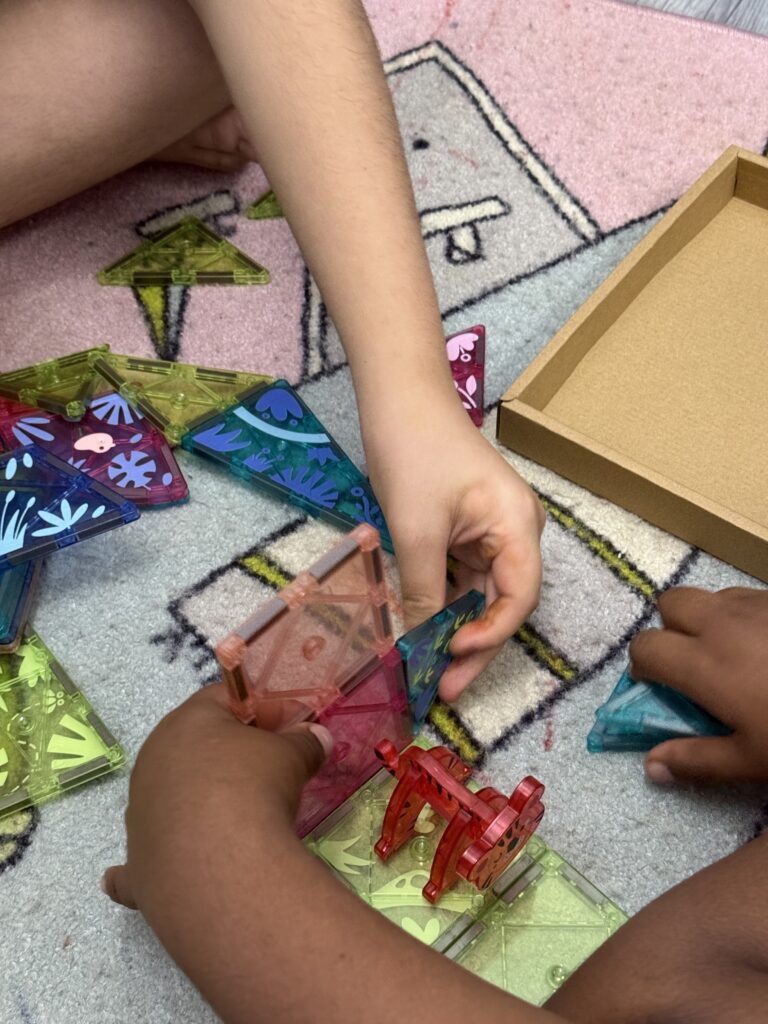
Mind Story was built to support families who may have some financial capacity, but not enough to sustain intensive therapy packages. Rather than rigid weekly commitments, the centre offers flexible arrangements, with a minimum of one hour per week – ensuring professional guidance while keeping services within reach.
Crucially, Chee Ling places parents at the centre of the intervention process. Therapy sessions alone, she notes, are insufficient without consistent reinforcement at home. As such, Mind Story places strong emphasis on parent education, guidance, and emotional support.
“Sometimes parents don’t call because they want solutions,” she explained. “They just need someone to listen.”
During the height of the pandemic, Mind Story ran weekly online workshops featuring professionals from across the ecosystem – occupational therapists, doctors, university lecturers, hospital representatives, and agencies such as JKM and MOE. These sessions focused on awareness, practical strategies, and helping parents navigate available resources.
That commitment to education continues today, even as awareness has grown and more centres have entered the market.
Focusing on Skills, Not Labels
One of Mind Story’s defining principles is its approach to assessment. Unlike many centres, it does not require children to arrive with a formal diagnosis.
“We don’t need a child to be labelled ASD or ADHD to help them,” Chee Ling said. “We look at the skill gap.”
Using developmental benchmarks, the team assesses what a child can and cannot yet do, then works systematically on closing those gaps. Diagnosis, while sometimes useful for context, does not drive the intervention.
“To be honest, diagnosis doesn’t tell me much,” she explained. “What matters is what the child needs right now.”
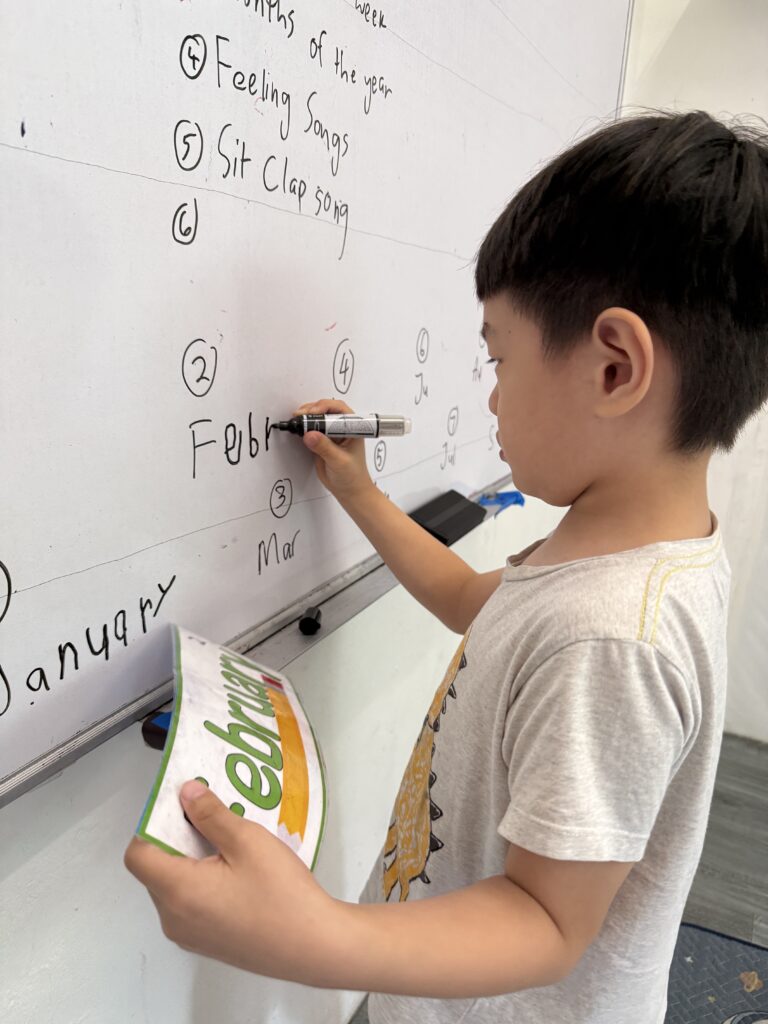
This approach has allowed Mind Story to support a wide range of children – including those who may only require short-term intervention – and has helped reduce the stigma that often prevents parents from seeking early support.
The Business Reality Behind the Care

Running a centre like Mind Story comes with complex operational challenges. At the heart of it lies a constant tension between affordability and sustainability.
“Profitability decides everything,” Chee Ling admitted. “The teachers I can hire, the services I can offer – it all comes back to that balance between doing good and staying afloat.”
Staffing remains one of the most significant hurdles. Qualified speech and occupational therapists are scarce, and market rates are high. Mind Story does not pay premium salaries, a reality Chee Ling is transparent about with her team. What she offers instead is an environment grounded in purpose, growth, and mutual care.
Burnout is common in the sector, particularly given the emotional and behavioural demands of working with special needs children. Group settings can be especially challenging, with teachers navigating tantrums, sensory overload, and fluctuating attention levels throughout the day.
“You cannot expect what worked yesterday – or even an hour ago – to work again,” she said. “Teachers are constantly adapting.”
For Chee Ling, the key lies in balance: managing teaching loads, ensuring non-teaching time, and prioritising mental health. She regularly checks in with her team, monitoring mood shifts and stress levels, and encourages them to practise the same self-regulation strategies they teach their students.
“If my teachers are not okay, they cannot take care of my kids,” she said simply.
Equity Over Equality
Despite growing awareness, Chee Ling believes the broader special education landscape still has room for improvement. One area she feels strongly about is the distinction between equality and equity.
“Not every child needs the same thing,” she explained. “They need the right support, at the right level.”
While she supports inclusive opportunities for children who can function independently, she cautions against unrealistic expectations that place undue stress on children with higher support needs.
“Putting a child in an environment where they cannot function is not empowerment,” she said. “It takes away their dignity.”
Her vision centres on creating safe platforms where children can explore their strengths, build communication skills, and experience small but meaningful successes – moments that foster confidence and pride.
Leading with Care and Conviction
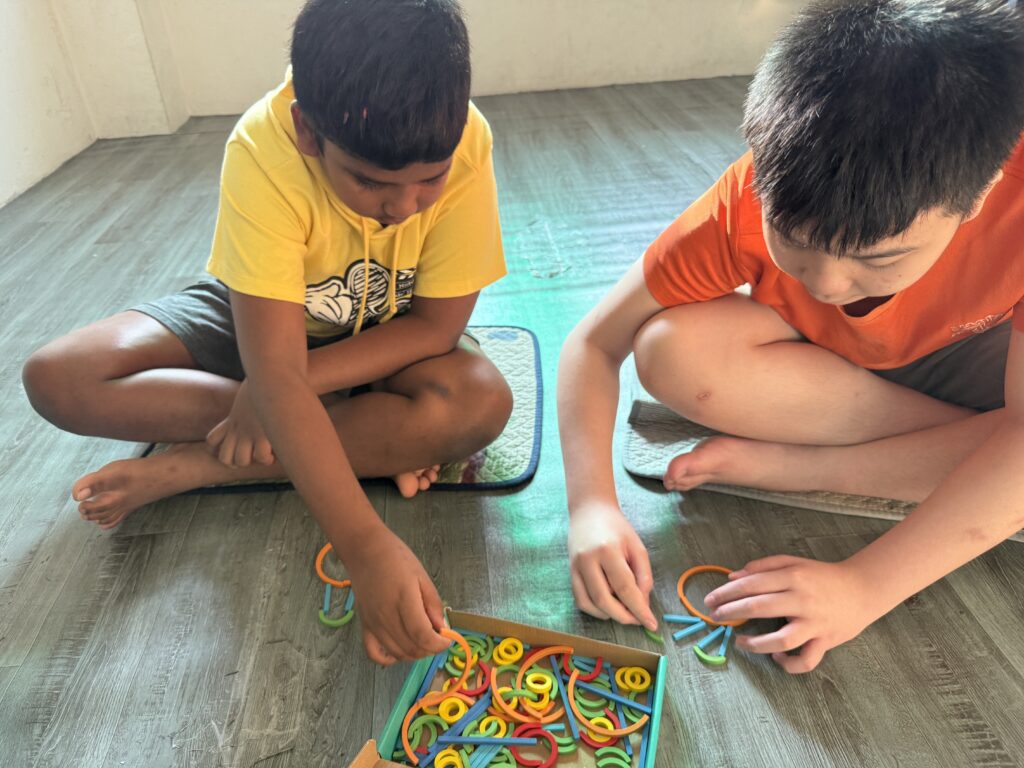
Chee Ling describes her leadership style as deeply relational. Weekly check-ins serve not just as performance reviews, but as spaces for honest conversation. Team members are encouraged to pursue individual interests, lead sharing sessions, and contribute beyond their formal roles – whether through awareness initiatives, skill-sharing workshops, or informal bonding activities.
That culture of trust has sustained the organisation through difficult periods, even when growth feels uncertain.
“I’m very comfortable with where we are,” she admitted. “My challenge now is to do more – because if I don’t grow, my team can’t grow.”
A Purpose-Driven Path Forward
For parents, educators, and aspiring social entrepreneurs, Chee Ling’s advice is simple: just start.
“Talk to people. Do your groundwork. Visit places. Ask questions,” she said. “There is no miracle pill.”
She urges parents to manage expectations, celebrate small milestones, and recognise that growth happens in stages. More broadly, she believes that everyone – children, parents, educators alike – wants to be the best version of themselves.
“Our job,” she said, “is to create the right environment for that to happen.”
At its core, Mind Story is not just about therapy or education. It is about dignity, patience, and building systems that allow both children and the people who support them to thrive – one step at a time.