

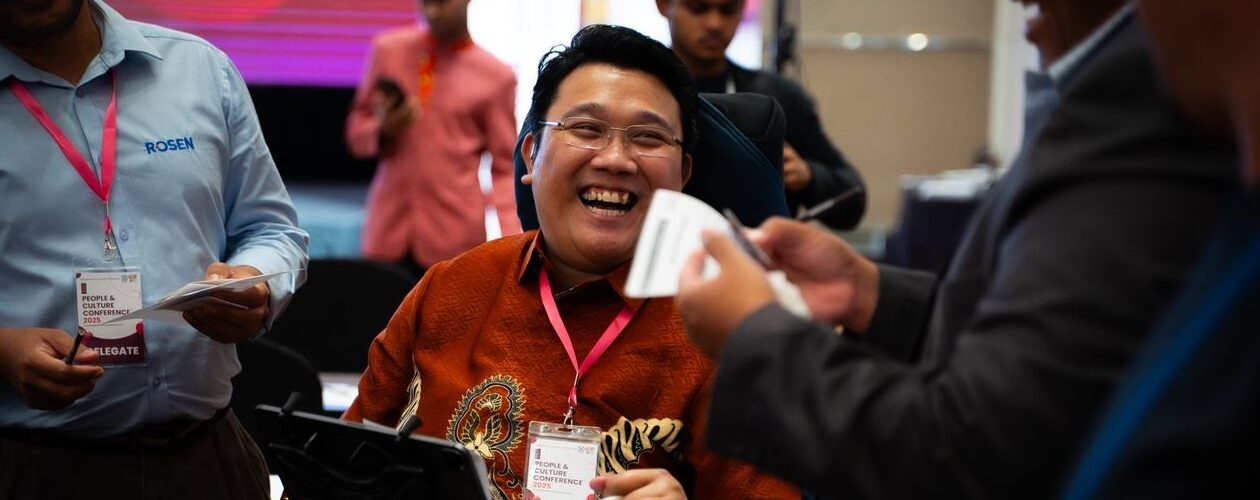
A Conversation with Amirul Safuan Hj Mohd Ishak, Founder and Chief Executive of AMEER SAFONE Ventures, on Redefining the Role of Persons with Disabilities in Malaysia’s Workforce
By Pauline James
From Setback to Purpose
For Amirul Safuan Hj Mohd Ishak, entrepreneurship was not part of the original plan. After an accident in 2020 left him a person with disability, he found himself facing repeated barriers to employment.”Once I became a PWD, I was not able to secure employment after trying for several times. So I decided to take a leap of faith in terms of going into entrepreneurship for the first time.”
Drawing on more than two decades in the financial industry across OCBC, CIMB, Principal Asset Management and BIMB Investment, he established AMEER SAFONE Ventures, starting with a fragrance and lifestyle brand. As more persons with disabilities began reaching out, wanting to work, learn and build something of their own, the vision grew. “It was actually my way of re-entering the market and proving that a PWD-led company can actually compete in the mainstream economy.”
In 2025, he launched the AMEER SAFONE Inclusivity Academy (ASIA), focused on training and skills development for PWDs and underserved communities. “The more I listened, the clearer it became that we are not just building a brand, we’re also building a pathway into expertise, credibility and leadership among the PWDs.”
Inclusion as an Economic Strategy, Not Charity
At the core of Amirul’s work is a view that inclusion must go beyond goodwill. “My perspective comes from the belief that inclusion must lead to a meaningful economic participation.”
He argued that disability inclusion has long been treated as a CSR effort rather than a business need. “While compassion and goodwill are important, charity alone does not create sustainable change. In fact, if we frame inclusion as charity, it often becomes the first thing to be cut whenever budgets tighten. But when we frame it as a national talent strategy, it will become essential infrastructure.”
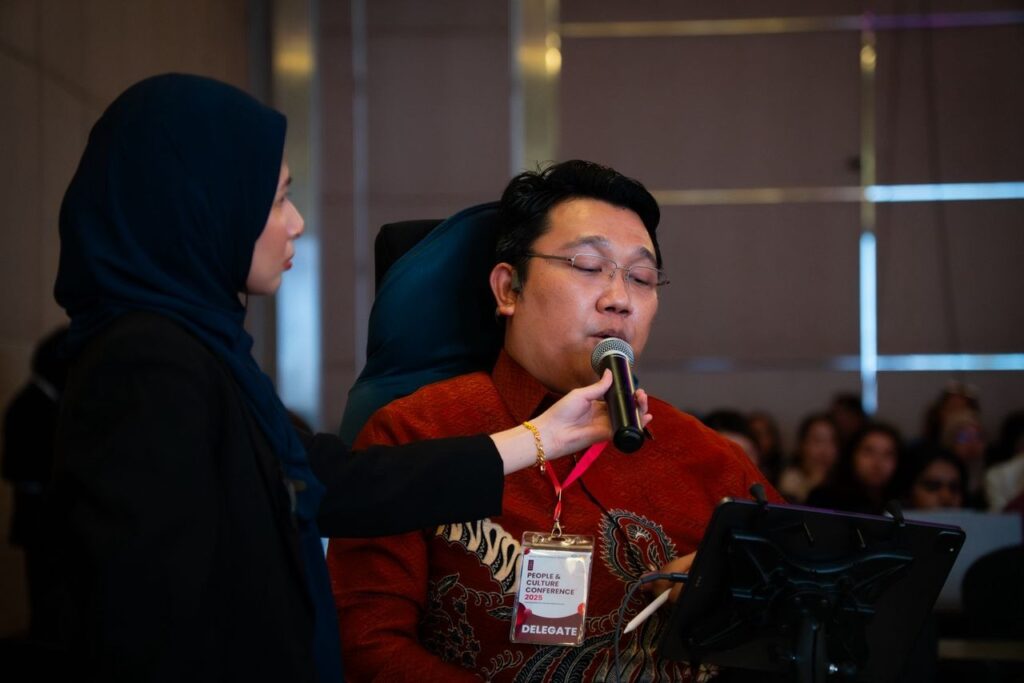
The economic case is also clear. “The World Bank has estimated that excluding PWDs can cost countries between 3 to 7 per cent of GDP. It is not only a social concern, but it also represents a significant economic inefficiency.” He also noted that in Malaysia, more than 11 per cent of adults live with some form of functional difficulty. “That means persons with disabilities are not a niche group. They are our customers, they are our colleagues and, potentially, our future leaders.”
A Hidden Workforce in Plain Sight
One of the biggest misconceptions Amirul encounters is that hiring a person with disabilities comes with high costs or operational disruptions. He disagreed. “In reality, many roles today, especially in the digital and knowledge economy, are mostly based on skills, communications and problem solving rather than physical mobility.”
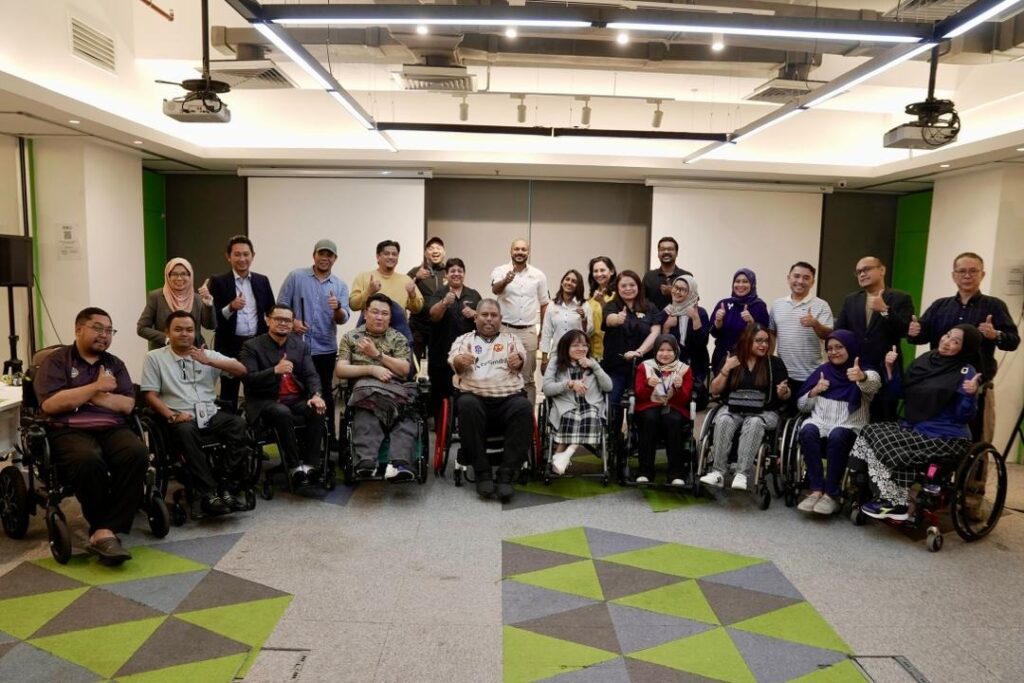
He pointed to research from the Job Accommodation Network showing that most workplace adjustments cost little or nothing. He also cited Accenture research findings that companies which actively champion disability inclusion achieve around 28 per cent higher revenue, 30 per cent higher profit margins and double the net income of industry peers.
His own experience running the Train the Trainer programme reinforced this. “I was surprised, 70% of the participants were professionals. They have PhDs, they have master’s degrees. One of them is a professor at a local university.” Some participants were ESG experts providing auditing and certification guidance to organisations globally. “There are actually PWDs now that are in the market working silently that need to be brought up and to change the narrative and perspective of the public.”
From Welfare to Workforce
Amirul acknowledged that support systems are necessary, particularly for those who need immediate assistance. But he believes the long-term goal must be economic participation and independence.
He points to models elsewhere as benchmarks. Germany and Denmark have developed vocational and skills pathways that connect persons with disabilities directly to industry demand. In Singapore, SG Enable works with employers to design jobs, adapt assistive technologies and provide structured workplace integration, positioning PWDs as productive workforce members rather than keeping them in low-wage or sheltered programmes.
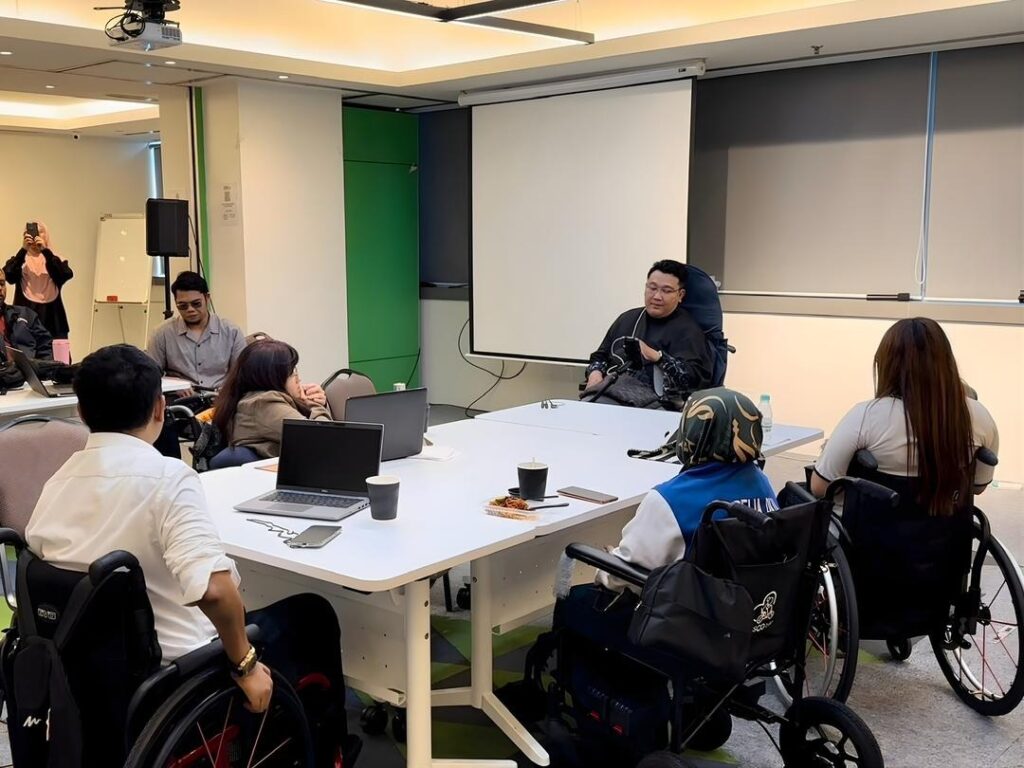
“True inclusion is not measured by how much support that we provide, but how many people that we empower to participate in the economy itself.”
Designing Around Strengths
When it comes to hiring, Amirul encourages businesses to look at what PWD professionals can do, not what they cannot. He gave one practical example.
“We’re talking about quality checks; those talents are actually people with autism. They have this special superpower that they would be able to concentrate on, and they are very detailed in terms of looking into lines and lines of code.”
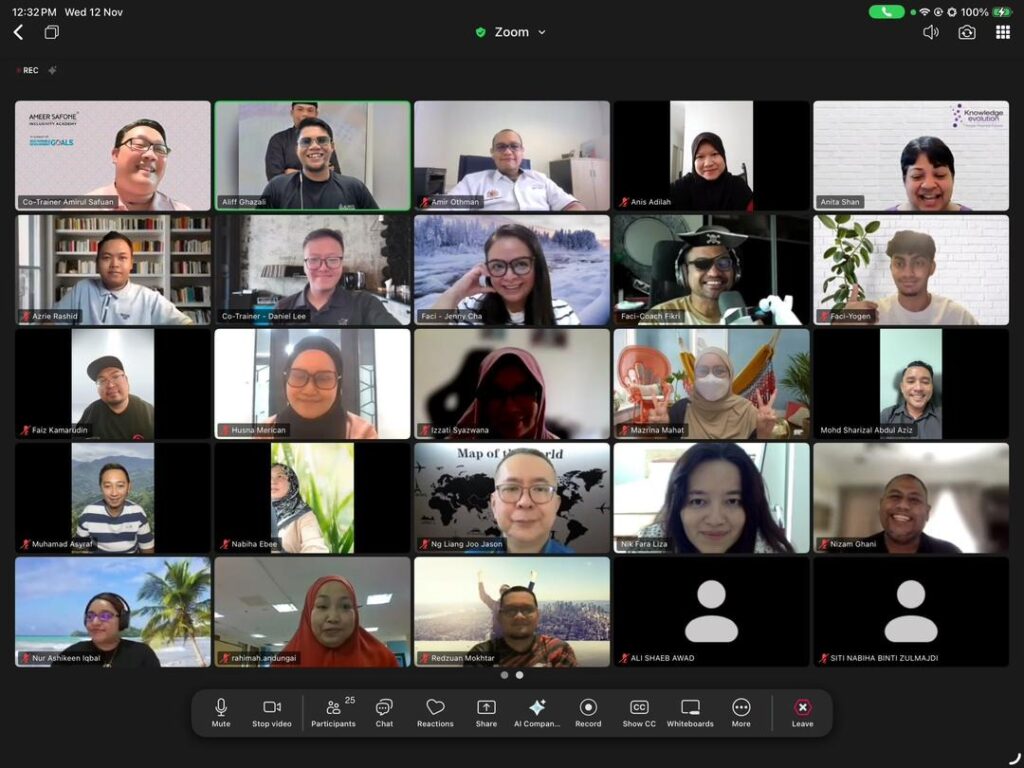
He noted that some able-bodied workers find such tasks tedious over time, while neurodivergent individuals can perform them consistently and thoroughly.
“We need to look at PWDs through the lenses of their capabilities.”
Building an Inclusive Workforce, One Step at a Time
For SMEs, Amirul recommends starting with practical steps: identify roles where outcomes are clear and measurable, such as administrative support, digital marketing, customer engagement or data management. Flexible and remote work arrangements can also address one of the most common barriers PWDs face, which is mobility and access. He pointed to Genashtim, a global organisation where nearly 80 per cent of employees are PWDs, all working remotely with no physical office required.
“Once businesses see the productivity and commitment that inclusive teams can bring, I believe the hesitation usually fades.” His message comes down to perspective. “If we look at PWDs in terms of their disability, then that is where nothing changes. However, if you look at the PWDs as a person, then things will change.”
He was direct about the potential he sees in the next generation. “There are lots of younger generations of PWDs today that have developed very substantial skills that even exceed expectations, especially when we talk about AI and digital programmes.” For Amirul, that potential is not the exception. It is simply what happens when people are given the right access and opportunity.