


Malaysia’s construction industry plays a critical role in national development, delivering infrastructure, commercial buildings, and housing that support economic growth. Yet behind this progress lay a long-standing structural weakness that continued to punish the most vulnerable players in the industry: unprotected retention sums.
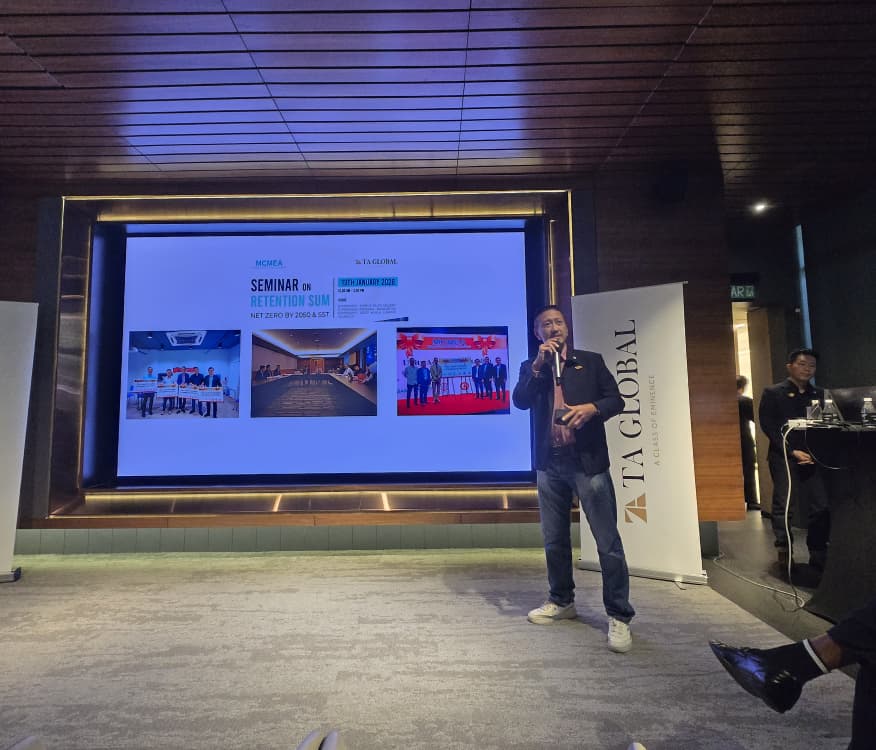
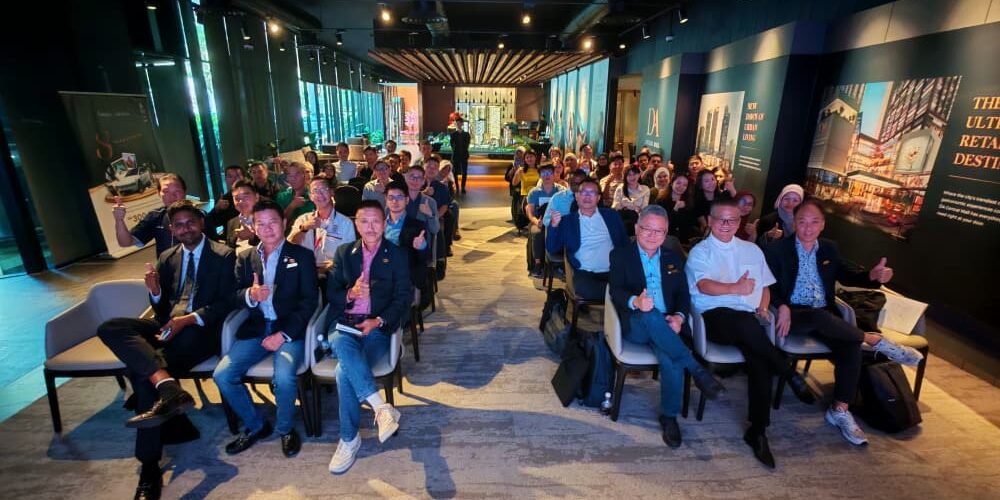
Hence, the seminar was organised to raise public awareness and to highlight to the Construction Industry Development Board (CIDB) the critical issues faced by contractors, particularly the ongoing challenges surrounding retention sums, which were under discussion for resolution within the industry. The programme also addressed Sales and Service Tax (SST) for construction and Malaysia’s pathway towards Net Zero by 2050.
The first session regarding retention sums in construction contracts was addressed by Naveen Sri Kantha, Partner of the Construction Dispute Resolution and Arbitration Practice Group of LLP Laws. His session focused on how retention sums—typically 5% to 10% of a contract’s value—were withheld by employers or main contractors as security against defects or incomplete works, and how this practice had evolved into a major source of financial risk for subcontractors, especially in cases of insolvency.

For subcontractors, retention money was not excess profit but earned income, often equivalent to several months of operating cash flow. Workers’ wages, materials, statutory contributions, and financing costs still had to be paid upfront. When retention sums were delayed or lost entirely, subcontractors faced immediate financial distress.
This vulnerability was starkly exposed by the 2019 Federal Court decision in SK M&E Bersekutu Sdn Bhd v Pembinaan Legenda Unggul Sdn Bhd (in liquidation), which ruled that retention sums were not automatically held on trust unless expressly stated in the construction contract. Without clear trust or segregation clauses, retention monies formed part of the employer’s general assets during liquidation, leaving subcontractors classified as unsecured creditors.
The session highlighted that small and medium enterprises (SMEs), which made up an estimated 70% of Malaysia’s construction sector, bore the brunt of these losses. When retention monies disappeared, subcontractors experienced cash flow paralysis, business failures, and job losses, leading to stalled projects, workforce attrition, and declining workmanship quality.
Peter Tan, President, Malaysian Air-Conditioning & Refrigeration Association (MACRA) and Chairman of MCMEA, also emphasised that the current arrangement pushes insolvency risk down the supply chain, from developers and main contractors to subcontractors who are least able to absorb financial shocks. This imbalance contradicts national goals to strengthen SMEs, improve productivity, and enhance construction quality. It also exposes a limitation in the Construction Industry Payment and Adjudication Act 2012 (CIPAA), which addresses delayed payments but does not protect retention sums when insolvency occurs.
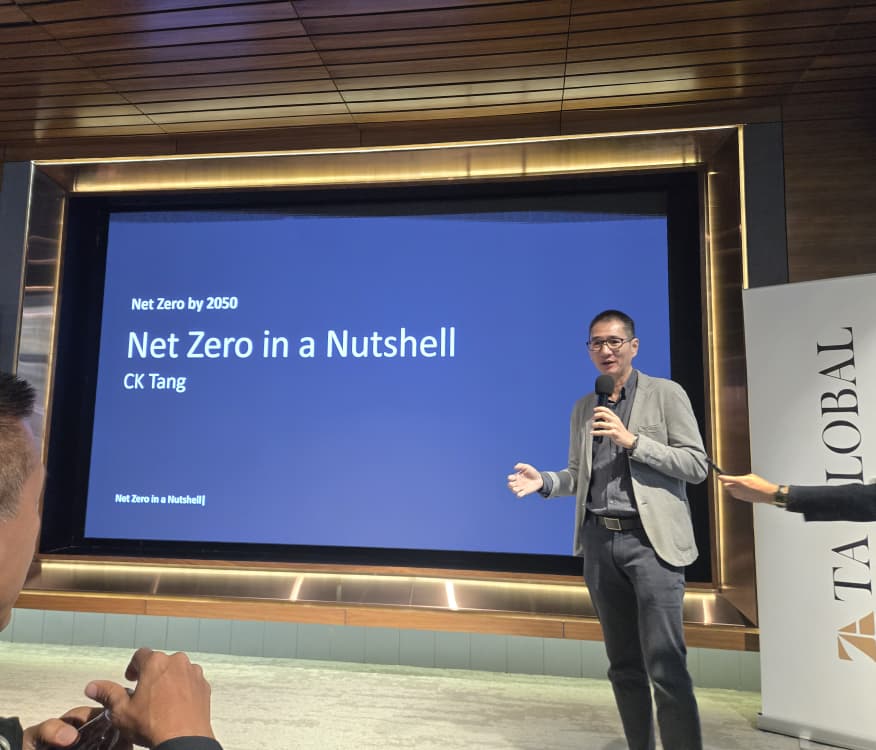
The seminar also examined long-term sustainability through the topic Net Zero by 2050, delivered by Tang Chee Khoay, Principal of CK at Work Sdn Bhd. His presentation focused on the construction industry’s role in supporting national aspirations for sustainability, productivity, and improved construction quality, while balancing commercial realities faced by contractors.
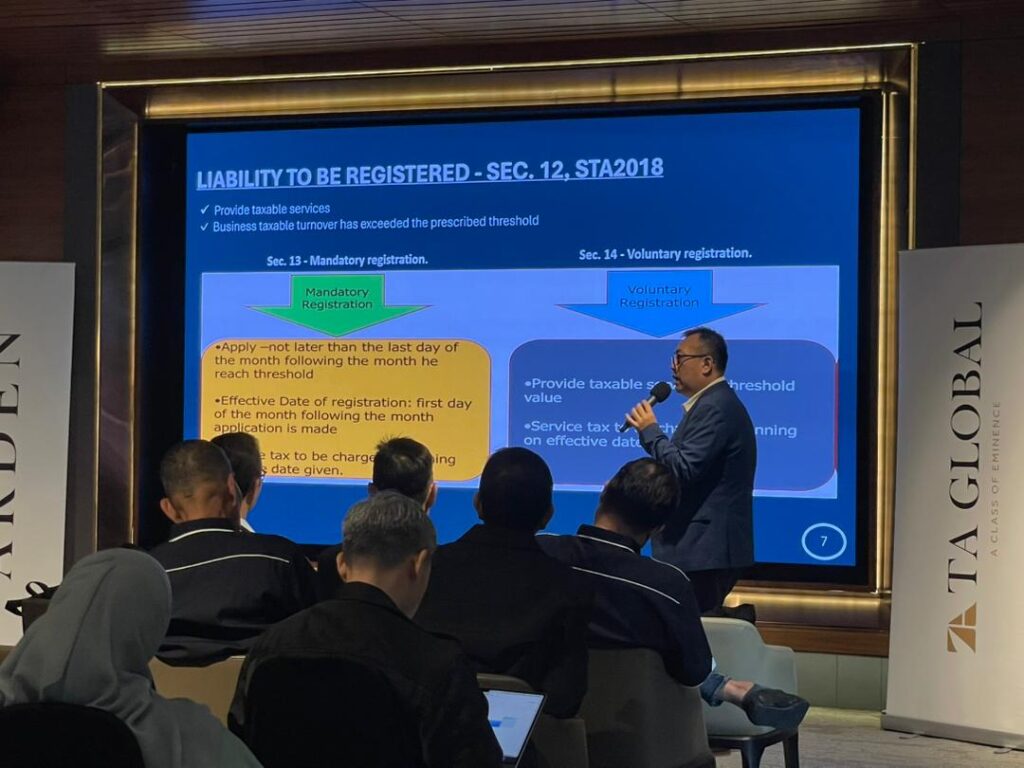
As well as the topic of Sales and Service Tax (SST) for construction, which was presented by Ho Yong Ling, Managing Director of HYL Management Services Plt. His session addressed the compliance and administrative challenges faced by contractors under the SST framework, particularly in managing tax obligations amid rising costs and tight cash flow conditions.
Overall, the message was clear: Malaysia can no longer afford to treat retention protection as optional. Practical reforms—such as mandatory trust or segregated retention accounts, clearer statutory recognition of retention sums, and improvements to standard contract forms—would go a long way toward restoring balance and confidence in the industry. Subcontractors are the backbone of Malaysia’s construction sector. Protecting their earned funds is not merely a contractual issue; it is a matter of industry sustainability and economic resilience.
The question is no longer whether reform is needed, but how much longer the industry can afford to wait.