

by Aileen Anthony
By the time Joanne Ho decided to launch her third business, she was 50, exhausted, a little frustrated— but finally clear. Today, Menopause Asia stands as a solution to the persistent lack of accessible, medically grounded menopause care for women in midlife.
But Joanne’s cause goes beyond a solution, it’s rooted in childhood experiences, her mother’s hidden struggles, and her own search for answers, when she came face to face with Menopause. These now came together to form a singular purpose: to ensure women no longer suffer in silence and to help us address the question,‘Who am I now?’
A Childhood Shaped by Quiet Strength
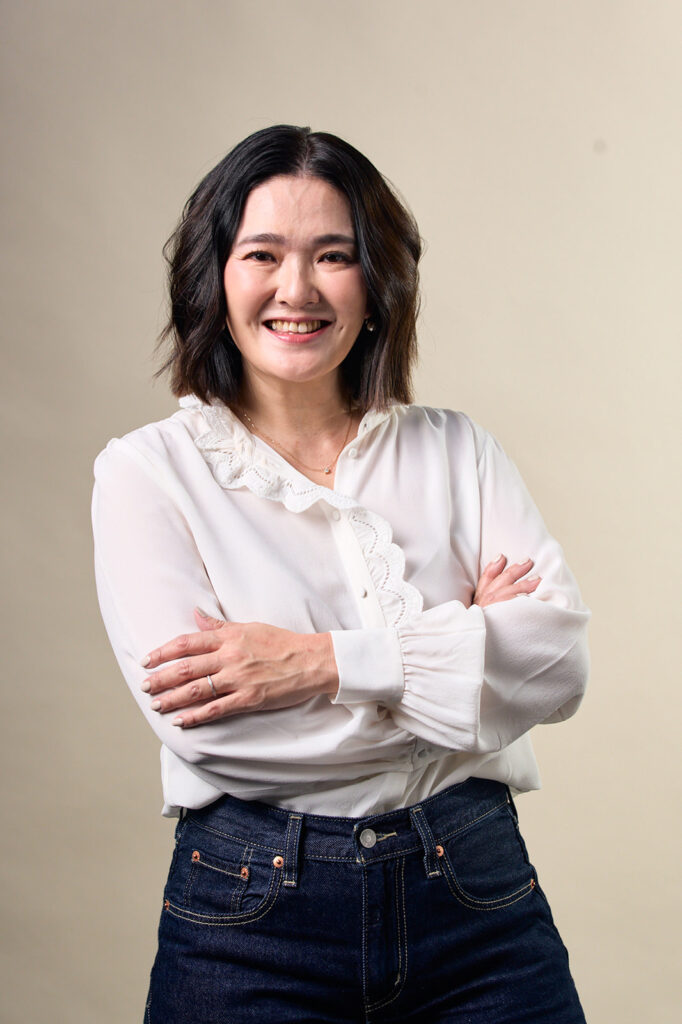
Joanne spent her formative years in Australia after moving there at 12. In an unconventional household, her mother was the breadwinner, and her father worked odd-jobs. Early on, Joanne absorbed not instability but responsibility.
Her mother, a nurse by profession, carried the weight of the household with stoic resilience. She was endlessly giving, always putting others first. Her own health came last.
When menopause arrived, it arrived silently.
Joanne recalled noticing changes, her mother becoming more reflective, more withdrawn, more forgetful. Appointments were missed. “She wrote lists – because she was afraid she would forget,” said Joanne. But there were no conversations. Menopause was never named, never explained, never explored as a family.
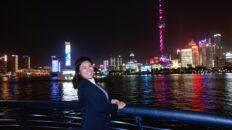
<< Joanne Ho, as featured in Tatler Malaysia.
“We knew something was happening, but we didn’t talk about it or have the language for it,” Joanne said.
Years later, when her mother began showing early signs of dementia in her late 50s, a tinge of regret settled in. Joanne often reflects on that missed window, how understanding menopause earlier might have changed the trajectory of her mother’s health, and how those conversations might have prepared her daughters for what lay ahead.
An Entrepreneur at Heart
Before menopause became her mission, Joanne was already a seasoned entrepreneur. Her first venture, Cupcake Chic, was among Malaysia’s earliest retail cupcake brands, launched more than 15 years ago and later franchised across multiple locations. When the trend ran its course, she exited.
Her second business, Happy Bunch, disrupted the floral industry as one of Malaysia’s first fully online flower delivery platforms. It would eventually be acquired. Early in her career, Joanne was quick to spot gaps others missed. “I see something missing, and I want to fill it,” she said simply. Yet even seasoned entrepreneurs are not immune to biology.
When the Equation Changes
Joanne was in her early 40s when she began noticing subtle but unsettling changes. At the time, she didn’t know the word perimenopause. She only knew that she was no longer herself. Her tolerance for stress dropped. Healthy debates felt draining. Decision-making became laborious. Motivation slipped.
There were unexplainable moments, sitting at home with her husband, coffee in hand, suddenly crying.
“I remember thinking, who am I even? What am I doing here?” An Accounting and Finance professional, Joanne found that tasks that once took hours now took days. Contracts had to be reread again and again. Information simply wouldn’t stick. The frustration was immense, not because of physical symptoms like hot flushes, but because her identity as a capable, driven individual felt compromised.
“I was angry,” she admitted. “Because I knew who I was. But I couldn’t access her.” Eventually, she stepped away from her business role and took on a full-time position at church, a decision rooted in a search for purpose rather than strategy. While meaningful, the shift also revealed something else: Joanne was, at her core, still deeply commercial, still wired to build.
Purpose wasn’t missing. Something else was, obviously.
Finding Answers and Relief
It wasn’t until she was post-menopausal, her periods having stopped for nearly a year, that Joanne finally found the energy to seek help. By then, her mood had stabilised slightly. The fog had lifted just enough for her to take action.
But where does a woman go for menopause care? Google became her gateway, eventually leading her to a functional doctor—someone who looked beyond symptoms and focused on optimisation and prevention.
That first experience with hormone therapy changed everything. “The clouds lifted,” Joanne said. “It really felt like the sky was blue again.”
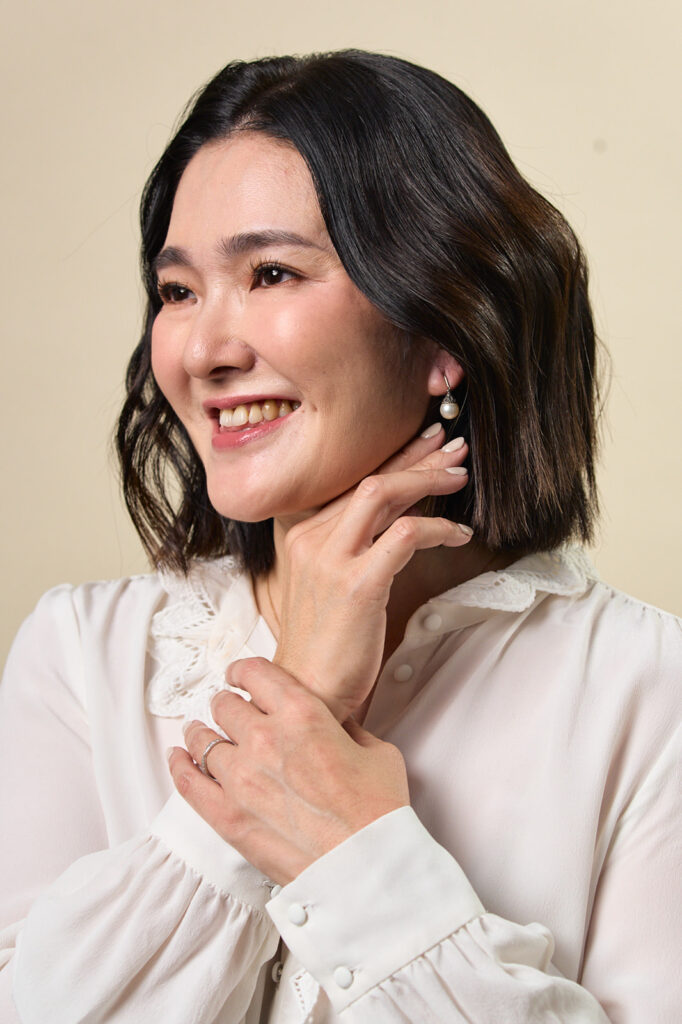
What shocked her most was learning how menopause actually works. “No one ever told us this,” she shared. “We never learned what estrogen does for the brain, the joints, the heart. We just lose it, and then we blame ourselves.” That knowledge sparked a new obsession.
From Patient to Advocate
Joanne didn’t stop at feeling better. She went back to study, becoming a certified Functional Hormone Specialist and later earning a diploma in menopause coaching. She wanted to understand not just treatment, but the full ecosystem of midlife health.
Hormone therapy, she is quick to clarify, is not a magic pill. “You can’t out-hormone a terrible lifestyle. Sleeping at 3am and living on stress won’t help,” she said. Menopause coaching, for her, became about integration about sleep, nutrition, strength training, stress management, and mindset. And with that clarity, a clear as day mission.
What Are Functional Doctors?

Functional doctors a form of medicine that focuses on root causes rather than just symptom management. Instead of asking, “What medication fits this condition?”, they ask, “Why is this happening in the first place?” They examine the body as an interconnected system—looking at hormones, gut health, inflammation, stress, sleep, nutrition, genetics and lifestyle patterns together. Blood results are interpreted not only against broad population ranges, but against what is considered optimal for the individual based on age, physiology and health goals.

In the context of menopause care, functional doctors often take a more preventive and personalised approach. Consultations are typically longer and more detailed, with an emphasis on hormone balance, metabolic health, mental clarity and long-term disease prevention. Treatment plans may include bio-identical hormone therapy, targeted supplements, lifestyle protocols and regular reviews to adjust dosages over time—aiming not just to relieve symptoms, but to optimise midlife health and longevity.
Why Menopause Asia Exists?
“Menopause Asia began in October 2025, offering digital telehealth specifically for women in midlife,” said Joanne. “The platform’s key message is that access to personalised menopause care, free from shame or complexity, to anyone, anywhere.”
Women can consult functional doctors online, complete comprehensive health intake forms, undergo lab work, and receive tailored protocols that may include hormone therapy, supplements, and lifestyle guidance. Medications are compounded and delivered to their doorstep on a subscription basis, with regular reviews and dosage adjustments.
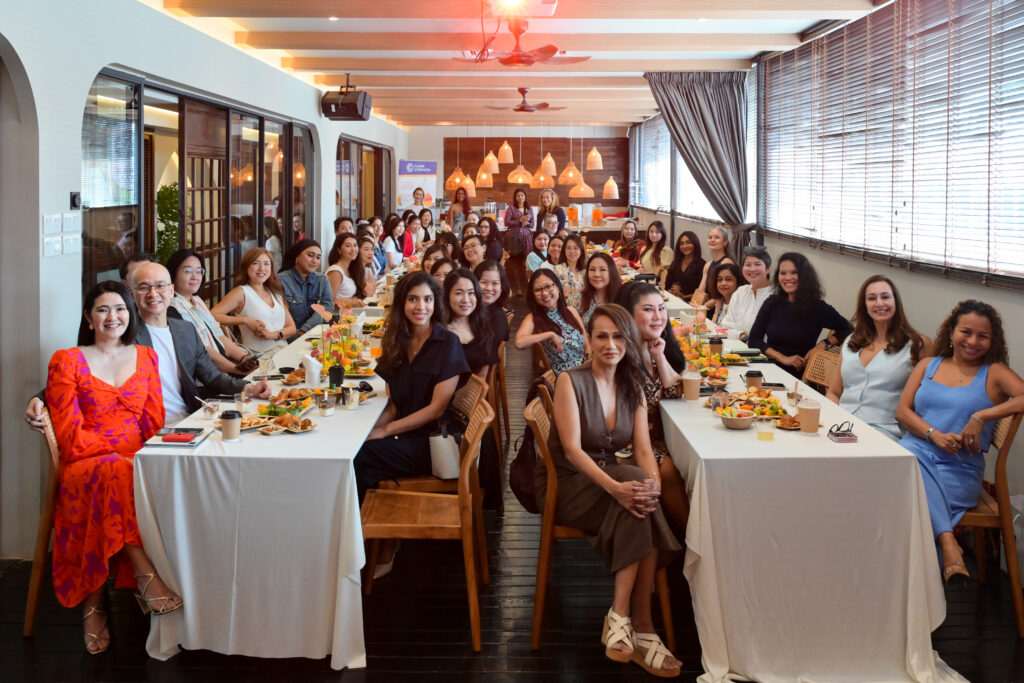
But Menopause Asia is not only about medical care. The mission extends to creating a world where women are seen, supported, and empowered in midlife.
“We want women to feel seen. For workplaces to recognise that one in four women in the global workforce are navigating perimenopause or menopause and that many are silently disengaging, shrinking, or leaving altogether,” she emphasised.
“These are women at the peak of their experience,” she said. “And we’re losing them because we don’t talk about this.”
Reframing Midlife
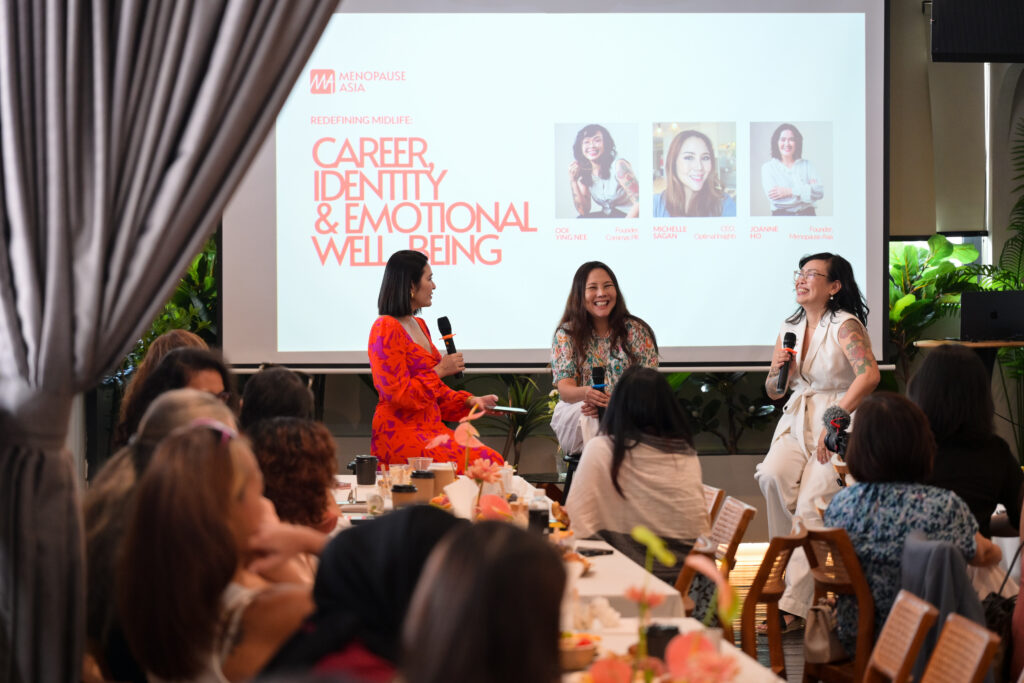
Joanne is particularly passionate about reframing midlife not as decline, but as a second act.
“We discuss openly about body changes, libido loss, painful sex, confidence erosion, and the unspoken dynamics that strain marriages and workplaces alike. In transactional environments at home or at work, menopause sometimes becomes the inflexion point,” she said.
But with support, she believes this stage is meant to be transformational. “Menopause is our prime,” she said. “We’ve amassed so much experience over the years. Why would we spend these years shrinking?”
“If women understood their baselines early, everything would change,” she said. “Menopause wouldn’t feel like a crash. It would feel like a transition – to something bigger and better!”
Heard and Seen

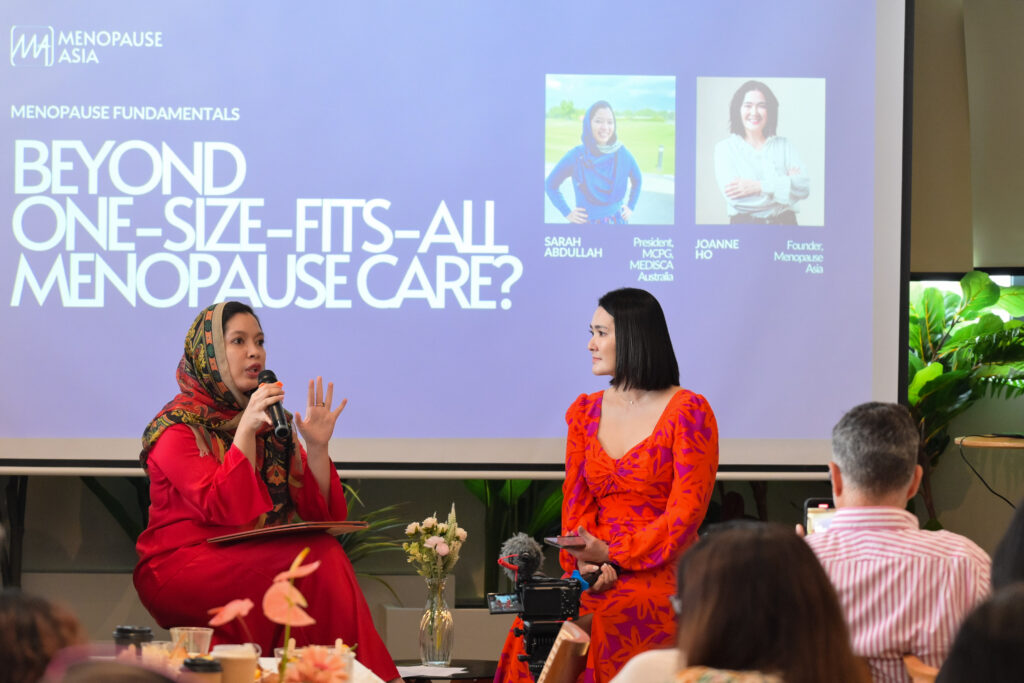
Increasingly, Menopause Asia’s work is extending into education corporate talks, grassroots advocacy, and events, which open up conversations long buried under discomfort and myth.
In the coming years, Joanne envisions evolving beyond menopause alone towards longevity, preventive health, and earlier intervention for women as young as their 20s.
For her personally, this journey is about impact with sustainability, empathy, and honesty.
And perhaps, in a way, it’s also about honouring her mother. By ensuring that the next generation of women never has to suffer in silence, and for every woman who needs her voice, her story, and her boldness to be heard and seen.
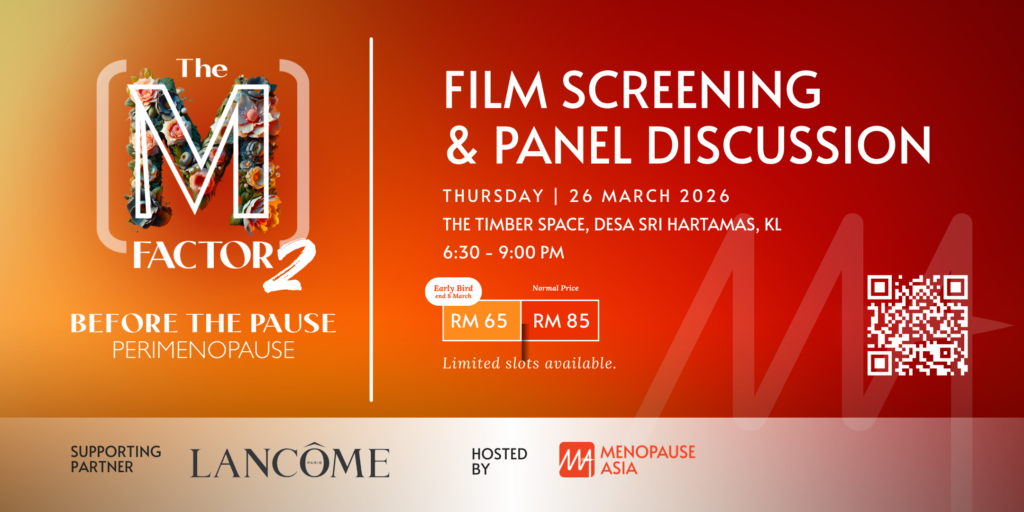
Catch Menopause Asia’s The M Factor 2 documentary screening. This year’s documentary focuses on perimenopause, the often-overlooked years before menopause, when many women first experience symptoms but told they’re “too young,” “just tired,” or that their bloodwork looks fine.
What matters just as much as the screening is the conversation after.
The panel will explore questions women ask us every day:
- What is actually happening hormonally in perimenopause?
- How do symptoms feel so different from woman to woman?
- How do hormones, metabolism, weight changes, and GLP-1 treatments intersect?
- Why do desire and intimacy change – and why is no one talking about it?
- What does real, personalised menopause care look like beyond “wait it out”?
Get your tickets here