


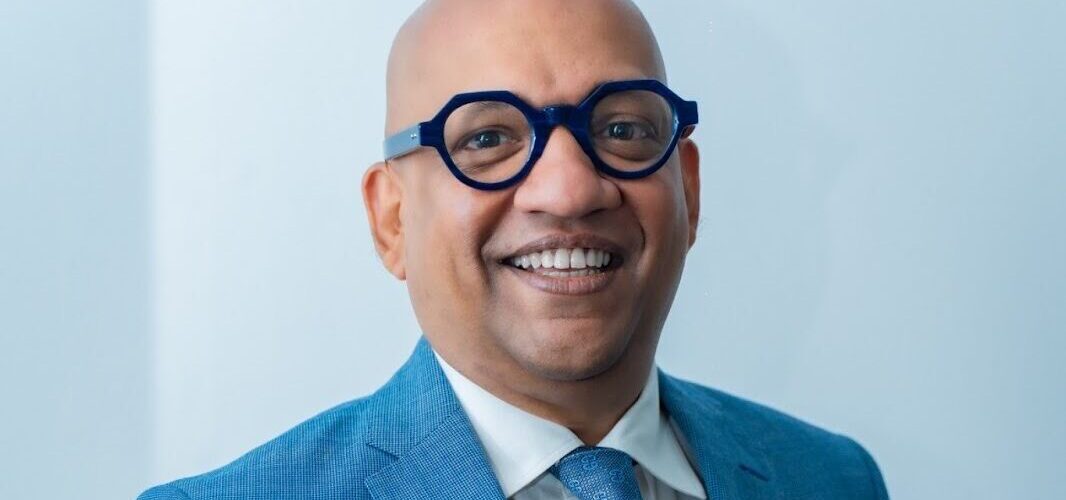
Today, as the founder of Visual Retale, PlayDOOH, and the Retail Media Network, Sai sits at the intersection of media, data, and retail transformation. The story began with a young man who stumbled into sales and found his calling in connection.
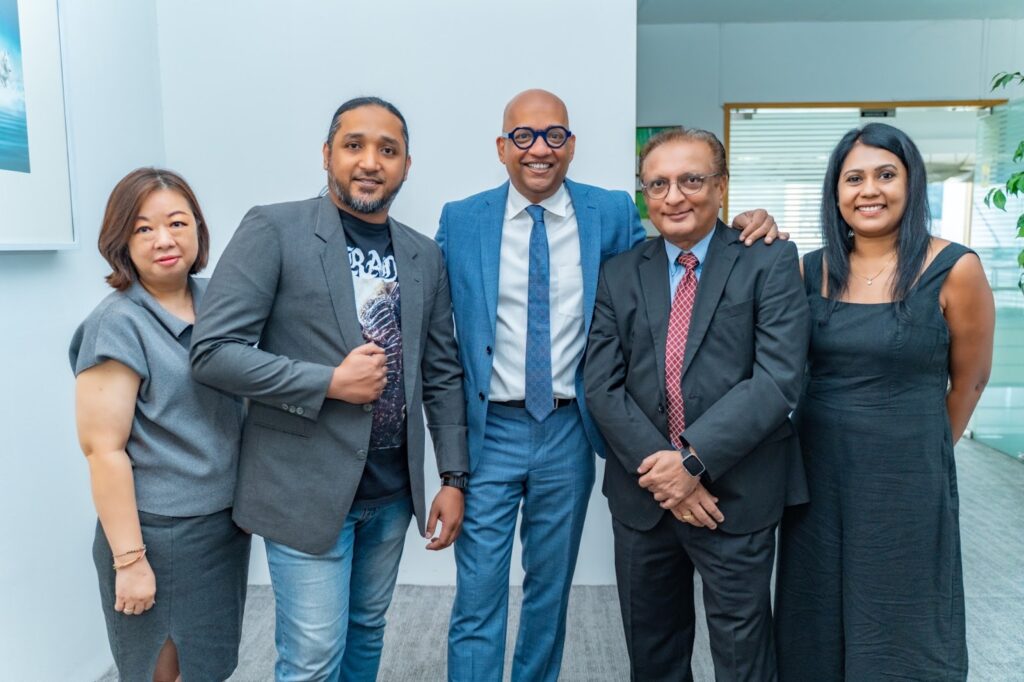
From Law to Life, The Salesman’s First Pitch
Sai’s first job wasn’t in media or marketing. After studying law, he began his career in insurance sales. That experience profoundly shaped his understanding of people. “Insurance taught me various parts about human behaviour,” he recalled. “It’s not about the product; it’s about trust, empathy, and understanding what people value most.”
He learnt early on that influence wasn’t about one-way directives. It came from ideas shared with conviction. This realisation sparked something larger: a fascination with how messages move people. That insight became the foundation for his next leap, one that would merge creativity, technology, and human psychology in unexpected ways.
The Magic of Movement, From Magiq Ads to Visual Retale
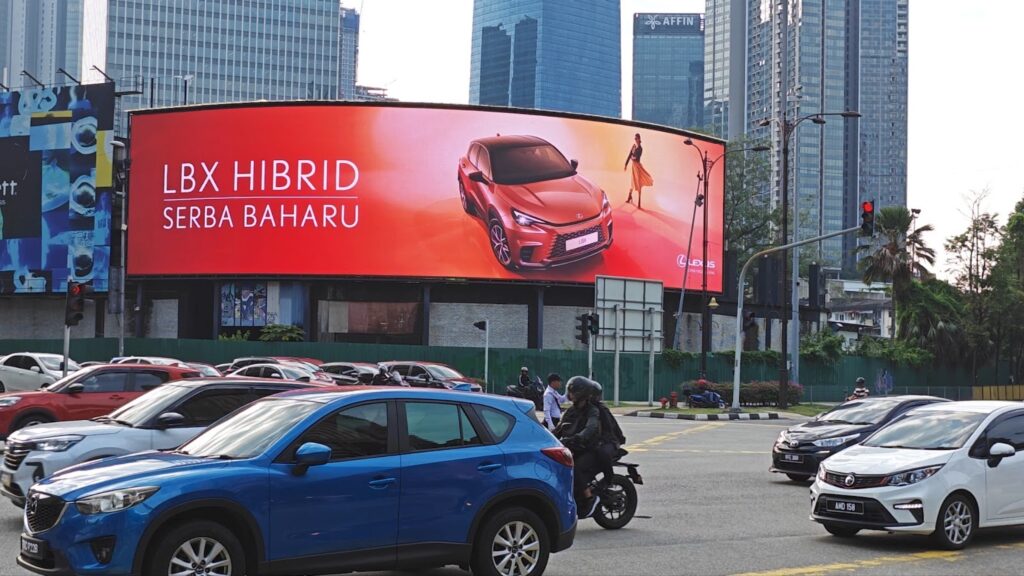
In the mid-2000s, Sai took his first entrepreneurial plunge with MagiqAds, a company that introduced anamorphic floor stickers — the first of its kind in Malaysia. “We literally made ads come alive under your feet,” he laughed. “It was raw, experimental, and we were learning everything on the go.”
That experience gave him an early education in OOH innovation and in failure. “When you’re young, you think success comes from the idea. But what I learned is that execution and timing are everything,” Sai said.
He credits those formative years with teaching him grit and perspective. “You can have a brilliant concept, but if the ecosystem isn’t ready, you’ll burn out before the market catches up.” Sai added, “Over time, we redirected MagiqAds into the in-store media segment.”
Years later, the practical insights gained at MagiqAds laid the foundation for Visual Retale, a company dedicated to transforming static OOH advertising into intelligent, measurable engagement long before “digital” became a buzzword.
Faith, Friends, and Failure; Lessons from the Hard Road
Entrepreneurship, as Sai learned, isn’t a straight line. There were seasons of doubt, burnout, and deep reflection. “I’ve gone through cycles where I’ve lost everything I built,” he admitted. “But every time, something greater came from it. Sometimes, when you stop trying to control the result, clarity finds you.”
Faith and friendship have always been his anchors. “I’ve never walked this road alone,” he shared. “Every chapter of my life has included people who believed in me, even when I doubted myself. That’s what keeps you grounded.”
It was during one of those low periods — in the aftermath of the pandemic — that the seeds for his most ambitious idea took root. He set out to build a unified, data-driven OOH ecosystem that could bring intelligence to an industry known for its fragmentation.
The Science of Seeing, How PlayDOOH Aggregates Malaysia’s Screens
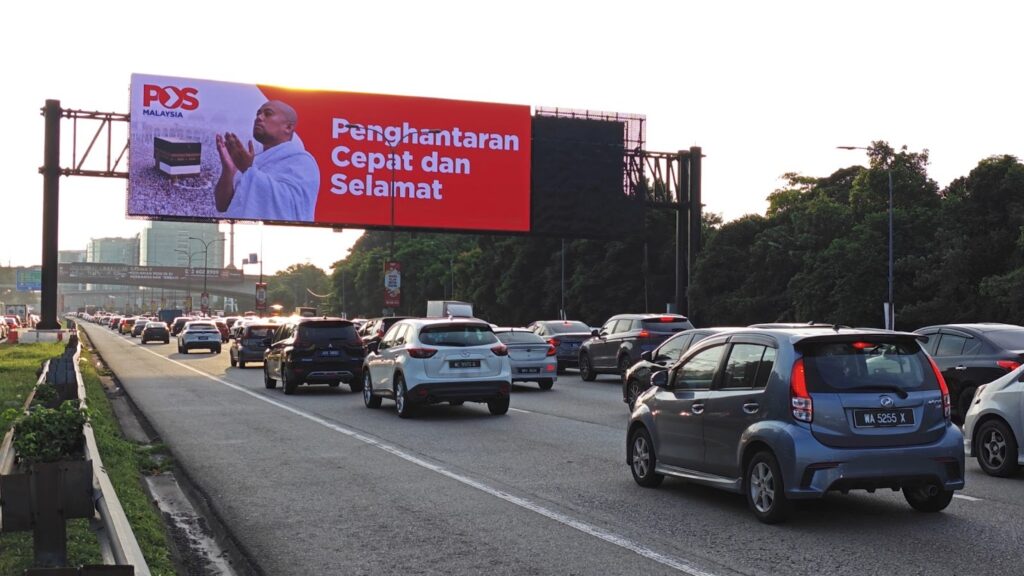
Out-of-Home advertising has always had one weakness: visibility without validation. Advertisers could see their message on billboards and digital screens. But they couldn’t see what those impressions meant in terms of reach, audience, dwell time, or business outcomes. “OOH was powerful but blind,” Sai said. “We wanted to give it eyes.”
That idea became PlayDOOH, a platform that now aggregates over 47,000 digital screens nationwide, from motorways to petrol stations, shopping malls, elevators, convenience stores, and residential areas. But the real innovation lies not in the number of screens, but in the science of aggregation that connects them.
“Media owners operate in isolation,” Sai explained. “Different networks, different data formats, different reporting standards. PlayDOOH created a universal language — a way to make them connect to one another with a holistic narrative.”
At its core, the platform gives a nationwide view of OOH inventory. Brands can see and plan Malaysia’s screen network in one place. It integrates government-backed Camtech reach data (official figures estimating screen viewers) with SDK-based audience profiles (detailed information from screens and apps).
This lets planners match screens to their intended audiences. As a result, targeting is sharper, waste is reduced, and there is a clear shift away from the traditional “spray and pray” OOH approach.
“We’re not just showing ads anymore,” Sai said. “We’re focused on driving better business outcomes.” By leveraging predictive modelling and audience heatmaps, PlayDOOH analyses impact, dwell time, and engagement potential.
Each screen is evaluated using our proprietary Singular Impact Score, providing advertisers with a clear benchmark for quality against national norms. Instead of viewing screens as a flat network, planners can assess the combined average impact of any selected basket of screens before confirming a buy.
PlayDOOH incorporates behavioural indicators such as hobbies, shopping affinities, travel patterns, location type, and content format. “We can optimise a sports-related promotional campaign to make use of screens that resonate better with sports and fitness-related audiences,”
Sai explained. “It’s simply about putting the ads where they make the most sense.”
The result? Brands no longer buy media. They buy targeted reach and impact. “Data has allowed OOH to compete with digital advertising on precision,” Sai added. “But unlike mobile digital, it’s still physical. You can’t scroll past a billboard.”
Retail Media Network, Closing the Loop
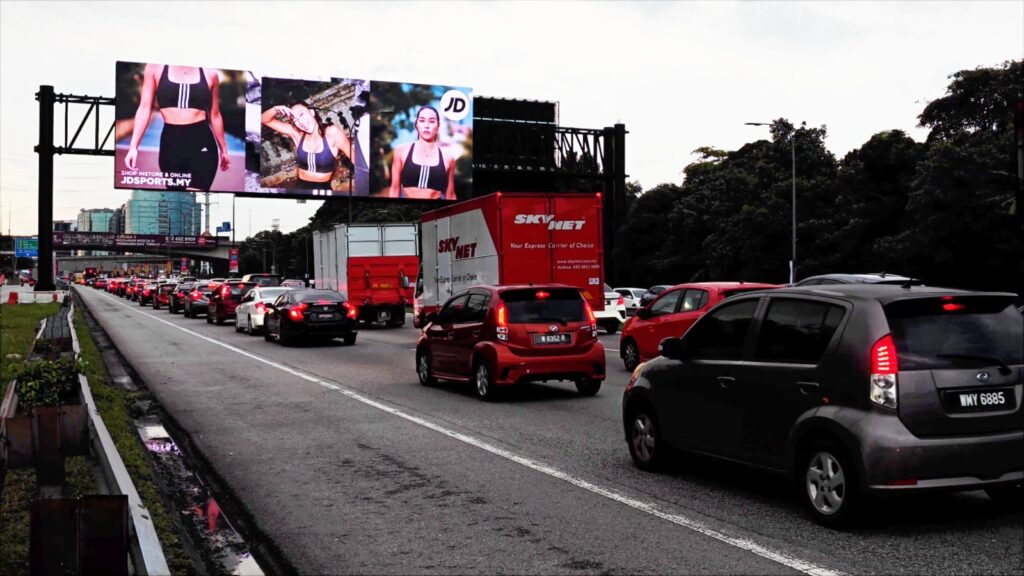
The next logical step in Sai’s journey was closing the loop between exposure and transaction. With Retail Media Network, he’s building an ecosystem where brands, malls, and retailers can directly correlate in-store sales with OOH visibility.
“Retail media is the final mile,” Sai said. “Picture a shopper viewing a digital ad for a coffee in a supermarket, and that exposure being matched to actual purchase patterns at the point-of-sale. That’s attribution in practice — and it’s becoming the gold standard for linking ad spend to real business results.”
The network could eventually link outdoor screens, in-store digital panels, shelf-edge displays, and point-of-sale data to the PlayDOOH backbone, giving advertisers a single way to plan, execute, and measure campaigns across both public and retail environments.
“One day, we may be able to tell a brand that their OOH campaign in Subang Jaya contributed to a 14% sales lift at the nearest AEON Big,” Sai said. “That’s not storytelling — that’s science.”
OOH to IOOH, Intelligent Out-of-Home
Sai describes the move from “OOH to IOOH — Intelligent Out-of-Home.” This shift enables more connected, measurable outcomes. IOOH means advanced OOH systems use data and technology to deliver targeted messages and measure impact.
At its heart is the philosophy that has guided him since his insurance days: understanding people. “Technology should bring us closer to human truth,” he said. “The more data we have, the more personal the experience should become — not colder.”
Data Meets Empathy, Building an Industry That Feels Human
Despite the growing sophistication of these platforms, Sai remains grounded in a simple principle: technology without empathy is meaningless. “You can automate delivery, but you can’t automate understanding,” he reflected. “At the end of the day, someone is standing in front of that screen. If the message doesn’t connect, all the data in the world won’t save it.”
He believes that the future of OOH isn’t just about scaling screens but scaling reach. “We’re entering an era where audiences expect relevance. They don’t want to be shouted at; they want to be seen,” Sai said. “That’s where OOH can do what no digital banner ever could — meet people where they are, in the real world.”
His approach also emphasises sustainability and accessibility. “We’re reusing infrastructure, not creating waste,” he added. “By aggregating networks, we’re empowering the smaller screen owners to be part of something larger, rather than competing for scraps.”
Faith in the Future, Where the World Is Heading
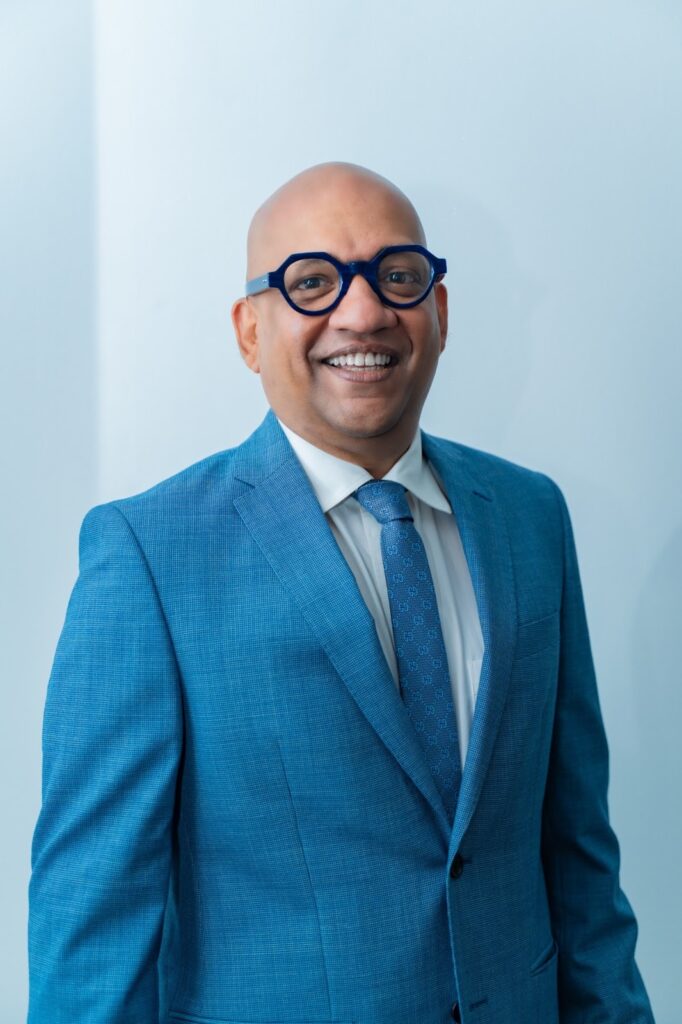
When asked what keeps him motivated after more than two decades in the industry, Sai smiled. “I’m still curious,” he said. “Every failure taught me something, every success showed me what’s possible when you let go of fear.”
Looking ahead, he envisions a world where OOH, retail, and mobile ecosystems merge into one seamless experience. In this world, data flows in real time, connecting advertising with emotion and storytelling with outcomes. “The future is contextual,” he said. “We’ll move from targeting people to understanding presence — how environment, emotion, and timing influence decision-making.”
Visual Retale, PlayDOOH and Retail Media Network are already preparing for that evolution. The team is exploring integrations with AI-driven planning tools, creative optimisation, and connected mobile retargeting to automate the creation of campaign creatives based on location, format, and client business data.
“A campaign in Kelantan, at a high-dwell commuter station, could feature content in a ‘Kelantanese Loghat’, longer-form, optimised to the advertiser’s product emphasis for that area and the audience’s state of mind at that media point,” Sai explained.
He added that what works in a transit hub won’t be the same as what resonates in a supermarket. A fast-moving highway screen needs short, direct messages. A traffic-light screen allows slightly longer cues. “That’s the granular level of content optimisation we’re building towards.”
But even with all the data, algorithms, and predictive power, Sai insists, “I’ve learned that success is never really yours,” he said. “You’re just a vessel for something larger. My job is to build with faith, to create with purpose, and to keep showing up.”
The Man Behind the Screens
It’s easy to talk about OOH in numbers — impressions, reach, conversions — but behind the data is a man who built his career on human connection. From his early days convincing clients one-on-one, to now orchestrating a network of thousands of third-party screens, Sai’s story is less about advertising than it is about awareness — of self, of others, and of possibility.
“What drives me is simple,” Sai said. Seeing ideas turn into something useful, finding new opportunities, helping people where I can, and putting my best into the work. That’s why I still wake up excited.”