

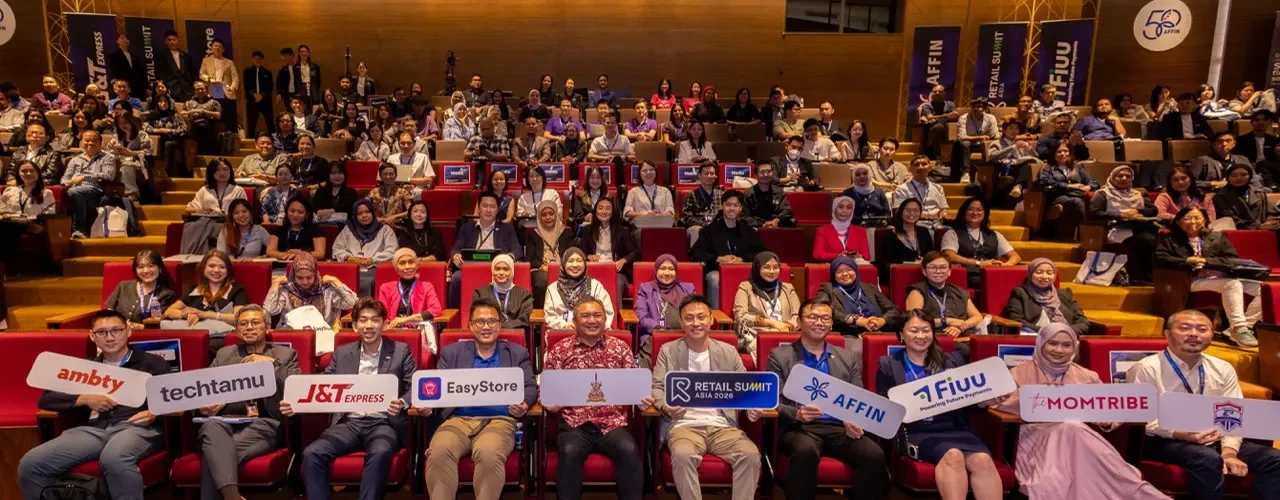
More than 400 retailers, founders, marketers and industry leaders gathered at Menara AFFIN, TRX for Retail Summit Asia 2026, exchanging practical strategies and real-world business experiences around a central question: what does it take to build a retail business that lasts?
For Malaysian brands, the retail environment has become increasingly competitive, with businesses facing stronger competition, thinner margins and rising efforts to attract new customers.
Against this backdrop, the summit highlighted the importance of putting customer relationships and experience at the heart of retail growth, rather than relying solely on acquiring new customers.
YB Ng Sze Han, Selangor State EXCO for Investment, Trade and Mobility, officiated the summit and noted that the strength of any business ultimately comes down to putting people first.
Customer retention as a growth opportunity
The summit challenged the familiar assumption that retail growth must always come from bringing in more customers.
Instead, experiences shared throughout the event pointed towards the value of retaining and deepening relationships with customers who have already chosen a brand.
As EasyStore Head of Product Goh Chong Xian put it, “The best customer is not always the next customer. Sometimes, it is the customer you already have.”
The idea was reflected in the experiences of Malaysian brands including Tanamera, XIXILI, Claire Organics and Bayu Somerset.
Each brand has navigated changing trends, competitors and market shifts, sharing the decisions and strategies that have helped them continue growing.
As customer acquisition becomes more costly and demanding, the second sale, the next visit and the relationship that follows can become increasingly important to a retailer’s growth.
Customer experience at the centre of retail
Across the discussions, a common theme emerged: businesses that last are those that place customer experience and brand promise at the centre of their operations.
Rather than viewing every transaction as an isolated sale, retailers are increasingly looking at the entire customer journey and how each interaction can strengthen the relationship between consumer and brand.
This means creating more consistent and intentional experiences across different points of contact, whether customers are shopping online or visiting a physical store.
For retailers, building customer loyalty can therefore involve more than offering products at competitive prices. It also requires businesses to understand what customers value and create experiences that encourage them to return.
AI and unified commerce reshape retail
Technology is also becoming increasingly important in how retailers build these customer relationships.
Retailers are leveraging artificial intelligence (AI), unified commerce and customer data to create more connected shopping journeys across online and physical channels.
These tools allow businesses to meet customers wherever they are, while making interactions more consistent and personalised.
Customer data can also provide retailers with insights beyond who is making a purchase. It can help brands understand customer behaviour and identify who may be more likely to return.
The shift means that technologies once associated primarily with larger enterprises are increasingly becoming accessible to smaller businesses.
For SMEs, AI, customer data and unified commerce are becoming part of the infrastructure needed to build sustainable retail operations.
Building the infrastructure for long-term retail growth
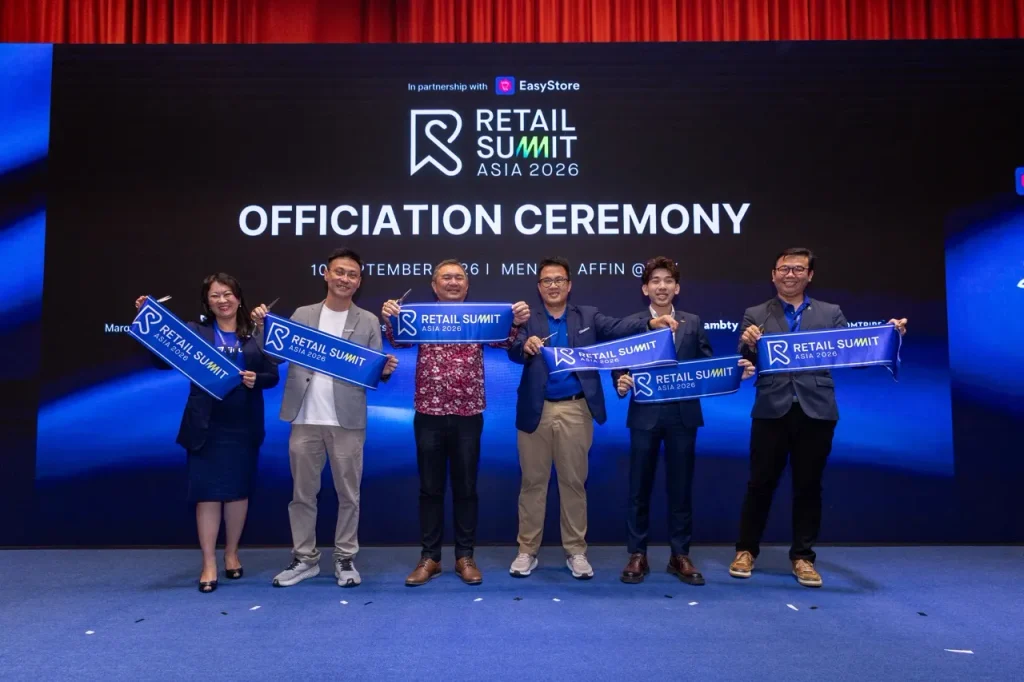
Retail Summit Asia was designed as a platform for retailers, founders and industry leaders to exchange practical insights and real business experiences.
Rather than focusing solely on short-term growth, the summit explored how businesses can develop the relationships, technology and infrastructure needed to remain competitive as the retail landscape changes.
The event was supported by AFFIN as Marquee Partner, alongside Fiuu and J&T Express as Strategic Partners.
Their solutions supported different aspects of the retail ecosystem, including payments, logistics and in-store experiences.
Ultimately, the discussions at Retail Summit Asia 2026 highlighted that building a retail business that lasts requires more than attracting the next customer. It involves understanding existing customers, strengthening their experience and putting the right technology and infrastructure in place to support long-term growth.