

As Japanese Wagyu continues to gain traction in Malaysia, food and beverage operators are looking beyond familiar premium cuts such as tenderloin and sirloin to explore the culinary and commercial potential of a wider range of beef cuts.
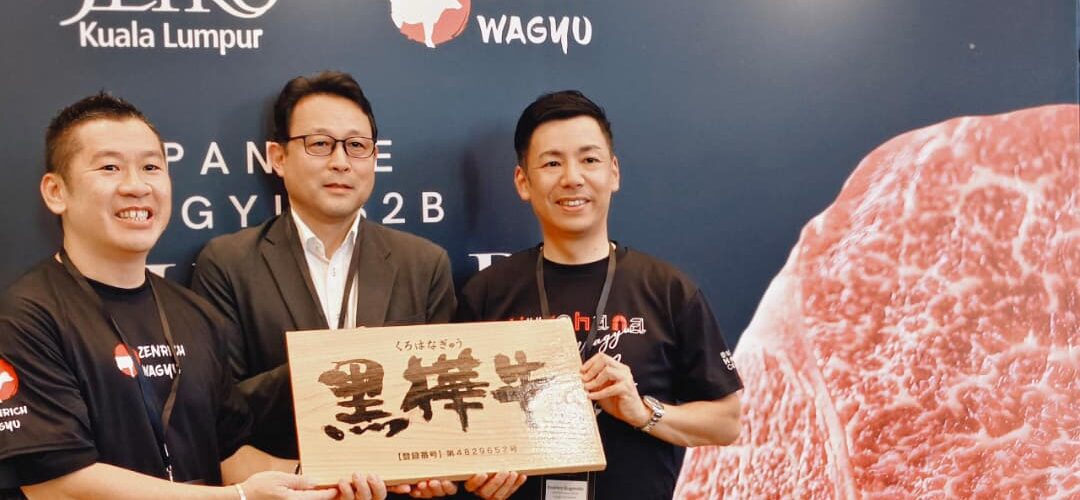
Against this backdrop, the Japan External Trade Organization (JETRO) Kuala Lumpur partnered with halal Japanese Wagyu supplier Zenrich Allied Sdn Bhd (Zenrich Wagyu) and the Kurohana Wagyu Export Promotion Consortium, under the Flagship Export Production Area Initiative of Japan’s Ministry of Agriculture, Forestry and Fisheries (MAFF), to host an exclusive B2B trade masterclass on Japanese Wagyu.
The session brought together chefs, restaurant F&B directors and food-service professionals to explore how secondary cuts can be used more effectively across different dining concepts.
Japanese Wagyu Trade Gains Momentum
The initiative comes as Japanese Wagyu strengthens its position in Japan-Malaysia food trade.
According to JETRO, Japanese Wagyu beef is currently Japan’s largest food and agricultural export category to Malaysia by value, with export volumes continuing to increase year on year. JETRO has also highlighted the importance of expanding the use of Wagyu beyond premium loin cuts to support broader market growth and more effective whole-carcass utilisation.
The growing trade reflects increasing familiarity with Japanese Wagyu among Malaysian consumers and the food-service industry, while creating opportunities for restaurants and chefs to experiment with cuts beyond conventional steak offerings.
Exploring Japanese Wagyu Secondary Cuts
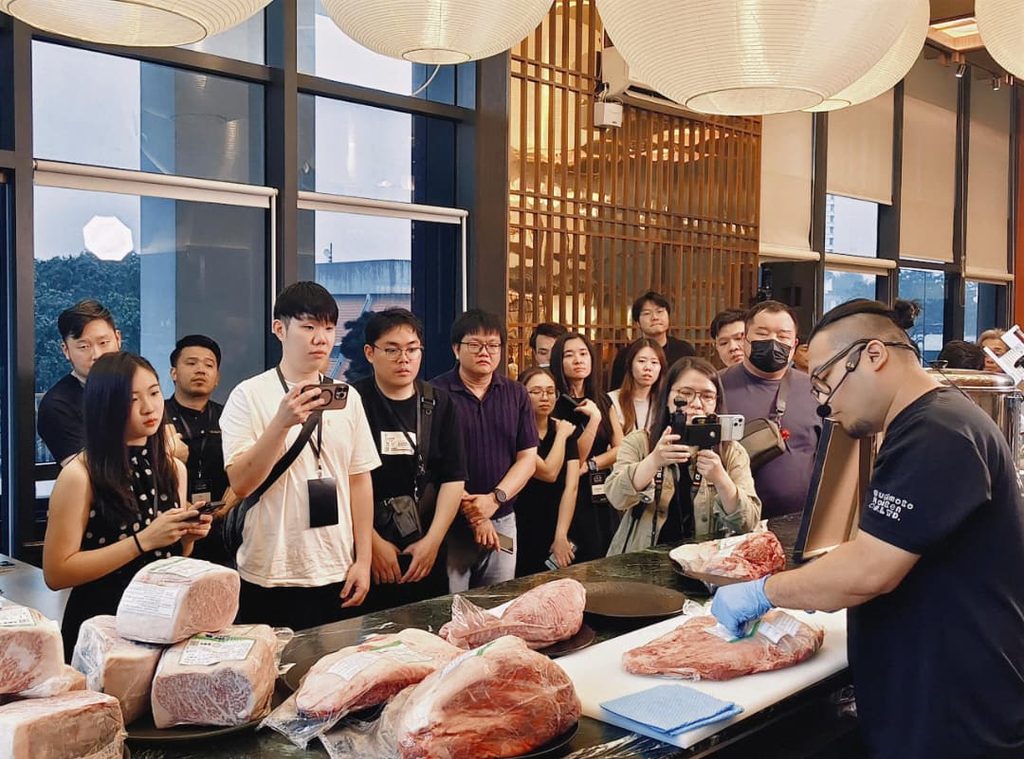
Held at La Moon TTDI in Kuala Lumpur, the masterclass focused on cuts including Shoulder Clod-Misuji, also known as top blade, Togarashi or chuck tender, and Katasan, a shoulder clod cut.
The programme combined practical butchery and slicing demonstrations with discussions on yield, menu applications and purchasing considerations.
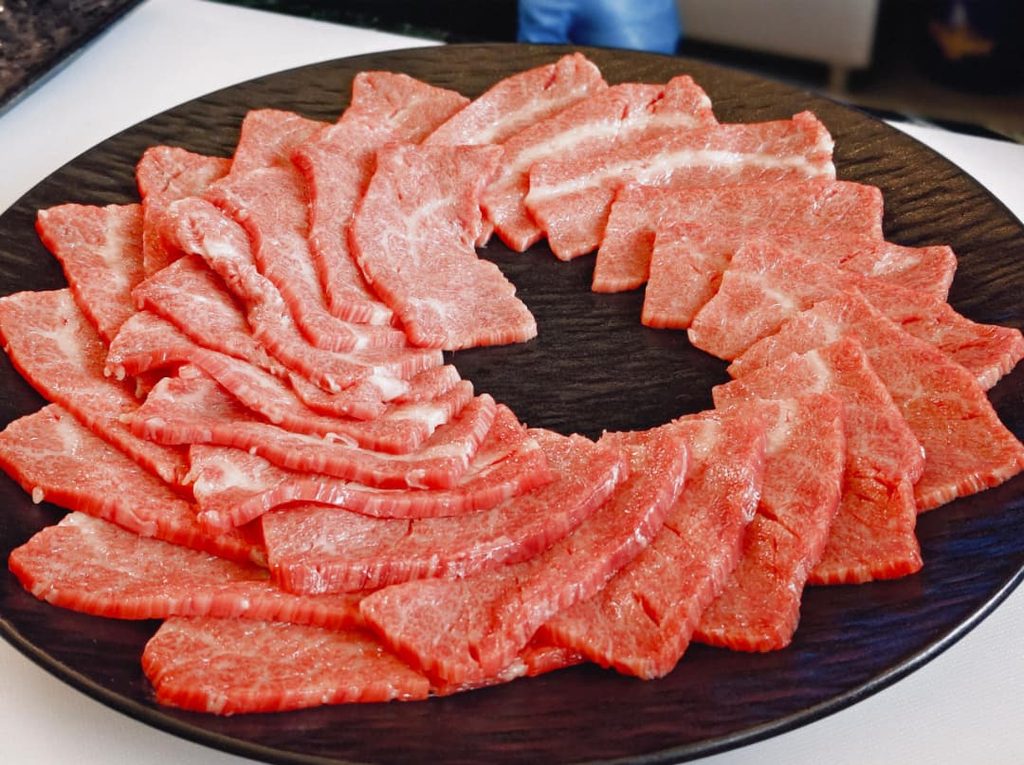
For chefs, these cuts can be adapted for a range of dishes, from Shabu-Shabu and Sukiyaki to seared and braised preparations. They can also be incorporated into innovative halal Japanese Wagyu creations, including Dim Sum.
For F&B directors and purchasing decision-makers, greater familiarity with secondary cuts can provide additional options for product mix and menu diversification, while supporting more effective use of the whole carcass.
Making Wagyu More Accessible
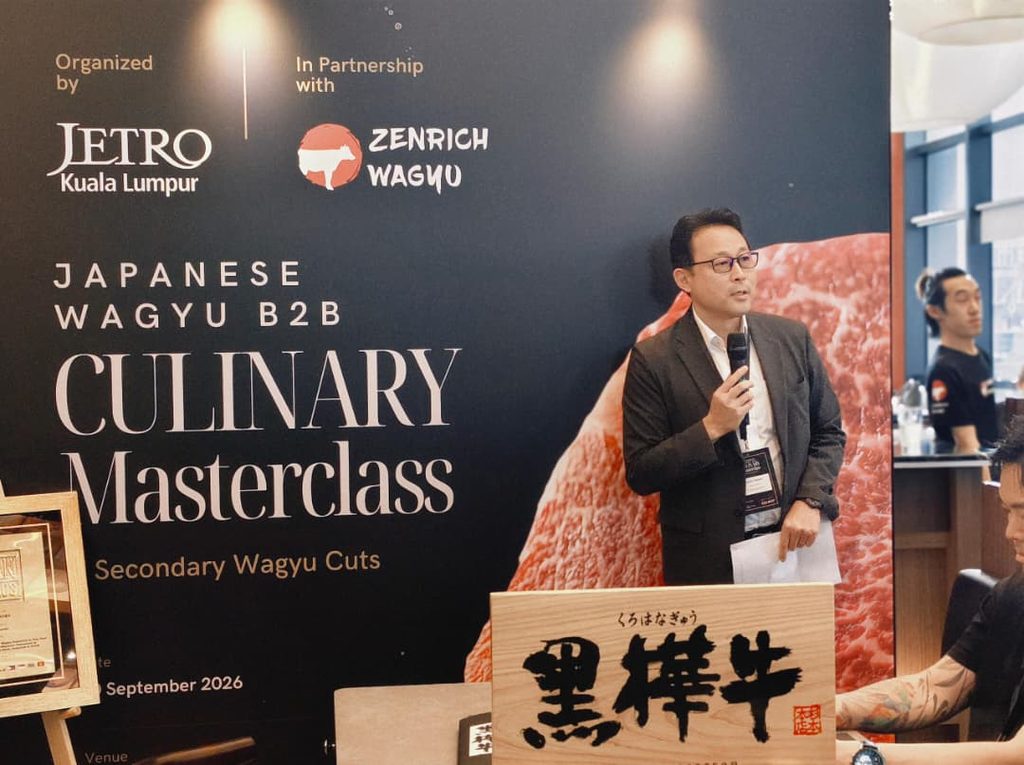
JETRO Kuala Lumpur Managing Director Mr Koichi Takano said the industry has an opportunity to make Japanese Wagyu more accessible by expanding awareness beyond the cuts most commonly seen in restaurants.
“Japanese Wagyu is something that more people in Malaysia are becoming familiar with, and we believe there is an opportunity to make it more accessible by looking beyond the cuts that are most commonly seen,” he said. “By introducing a wider range of cuts to the food-service industry, we hope more people can discover Japanese Wagyu in different ways and at different types of dining establishments.”
JETRO’s Malaysian B2B promotion activities have similarly focused on helping chefs and food-service professionals understand the handling, cutting and menu applications of Japanese ingredients, including Wagyu.
Zenrich Wagyu Expands Halal Japanese Beef Supply
Zenrich Wagyu has supplied halal-certified Japanese Wagyu to Malaysia’s food-service industry for more than a decade.
The company has imported more than 192,000kg of Japanese Wagyu, equivalent to approximately 600 head of cattle, for supply to culinary establishments nationwide.
With halal requirements playing an important role in Malaysia’s Japanese beef market, the development of halal Japanese Wagyu also provides food-service operators with opportunities to incorporate the premium ingredient into a wider range of dining concepts.
From Premium Steaks to Whole-Carcass Utilisation
The masterclass forms part of JETRO KL and Zenrich Wagyu’s efforts to strengthen connections between Japanese food suppliers and Malaysia’s food-service industry.
By encouraging chefs and purchasing decision-makers to explore secondary cuts, the initiative aims to broaden appreciation and utilisation of Japanese Wagyu across the whole carcass.
For Malaysia’s growing Japanese food and F&B sector, this creates opportunities to move beyond conventional premium Wagyu offerings and explore new dishes, menu formats and culinary applications while making greater use of the product supplied to the market.