
The survey showed that 80% of APAC Small and Medium Enterprises (SMEs) considered environmental concerns when trading with Europe, with sustainability playing a bigger role in logistics decisions. Southeast Asian markets led this trend, with over 55% of SMEs in Malaysia and Indonesia prioritising sustainability in their supply chain choices. This highlighted rising awareness and action on environmental issues among businesses and consumers in the region.
Consumers Pushing Businesses to Incorporate Sustainability into Operations
Consumers drove demand for sustainable practices, with 84% of APAC consumers pushing businesses to develop eco-friendly online shopping options. Environmental responsibility became a key differentiator, influencing purchasing decisions:
- 81% of APAC consumers preferred companies that appeared to operate more sustainably compared to competitors offering similar products without the same visible operational integrations of sustainability.
- While product integrity and competitive pricing remained key preferences for online shoppers, nearly four in ten APAC consumers were willing to pay premium prices for sustainable packaging.
As environmental awareness grew, businesses took note. Sustainable practices were no longer a nice-to-have, but a must-have for companies to stay competitive in the digital marketplace. Companies saw consumers factor in environmental values to their spending decisions, which could directly impact their bottom line.
“We are seeing sustainability shifting from a compliance checkbox to a key driver of growth, resilience, and differentiation in global commerce,” said Salil Chari, regional president, Asia Pacific, FedEx. “At FedEx, we are committed to supporting this shift, aiming for carbon-neutral operations globally by 2040. We are innovating our services, optimising our network, and providing smarter digital tools to help businesses turn sustainability ambitions into action, enabling lower-emission shipping decisions that strengthen competitiveness and can reduce environmental impact,” he said.
Reimagining Operations for More Sustainable Logistics
FedEx stepped up to meet the growing demand for sustainable logistics, investing in cutting-edge technologies and infrastructure that reduced environmental impact while boosting operational efficiency.
One example was the company’s AI-powered Stops Sequencing tool, which optimised delivery routes in real time based on package volume and customer specifications. By intelligently planning delivery sequences and minimising unnecessary mileage, it had the potential to reduce carbon emissions while simultaneously improving operational efficiency.
In addition, FedEx provided customers with the visibility needed to make informed sustainability decisions. FedEx Sustainability Insights, a cloud-based platform, provided enhanced transparency into environmental impact. Using near-real-time FedEx network data, the tool estimated CO2e emissions for both individual tracking numbers and entire FedEx shipping accounts. Customers could access historical emissions data and search by tracking numbers via their FedEx.com login.
On the aviation side, FedEx recently began using sustainable aviation fuel (SAF) at Chicago O’Hare and Miami International Airports, marking another step in reducing aviation-related emissions within its global air network. In the last mile, FedEx transformed urban delivery through fleet electrification.
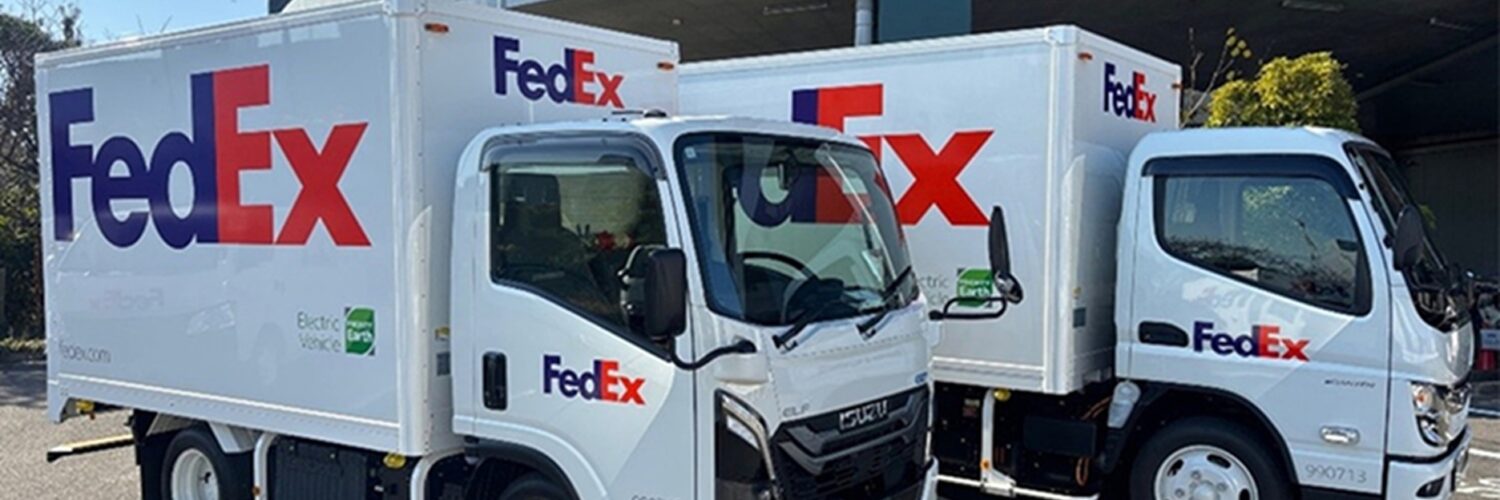
Electric vehicles were deployed across several APAC markets—including Japan, New Zealand, Singapore, and Thailand—and accounted for more than 20% of the company’s delivery fleet in China. In Taiwan, electric tricycles were introduced to better navigate dense urban environments, reducing emissions while improving delivery efficiency.
As cross-border trade continued evolving, the company remained dedicated to delivering faster, smarter, and more sustainable shipping solutions that empowered customers to succeed while delivering a more sustainable future.