
By Nirek Panditha
The Metaverse Is Already Here
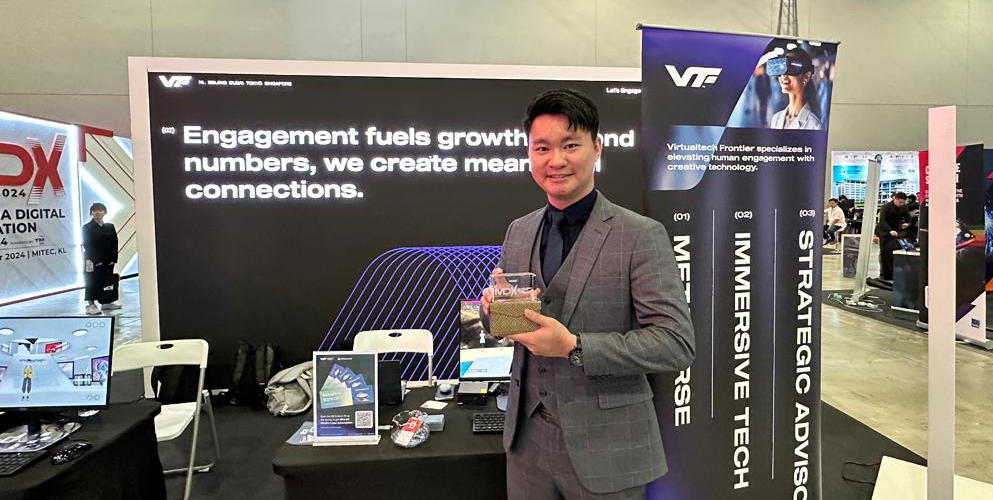
When people talk about the metaverse, it’s often imagined as distant—reserved for gamers, tech futurists, or Silicon Valley pioneers. But to Jason Low, founder and CEO of Virtualtech Frontier Sdn Bhd (VTF), the metaverse is already here. It’s not speculative. It’s the next iteration of how humans gather, learn, work, and interact—and Malaysia must learn to build it, not just consume it.
In a region where digital transformation often happens in reactive waves—some led by hype, others by pressure—Low represents a rare blend of technical fluency, commercial realism, and philosophical clarity. His story is not just about what VTF builds, but what Malaysia will become if we innovate with intention over imitation.
Immersive Technology to Amplify Human Connection
“Virtualtech Frontier, at its core, is a creative technology company focused on building digital interactive content that elevates engagement between humans and technology,” said Low.
He explained, immersive tech is not meant to replace connection—but to amplify it. Where many still treat the metaverse as a buzzword, Low brings clarity, “The easiest way to explain the metaverse is that it is virtual worlds. Even before the term became cool, people called it 3D interactive worlds.”
But his most telling insight comes from observation.
A Hall Full of Roblox Users
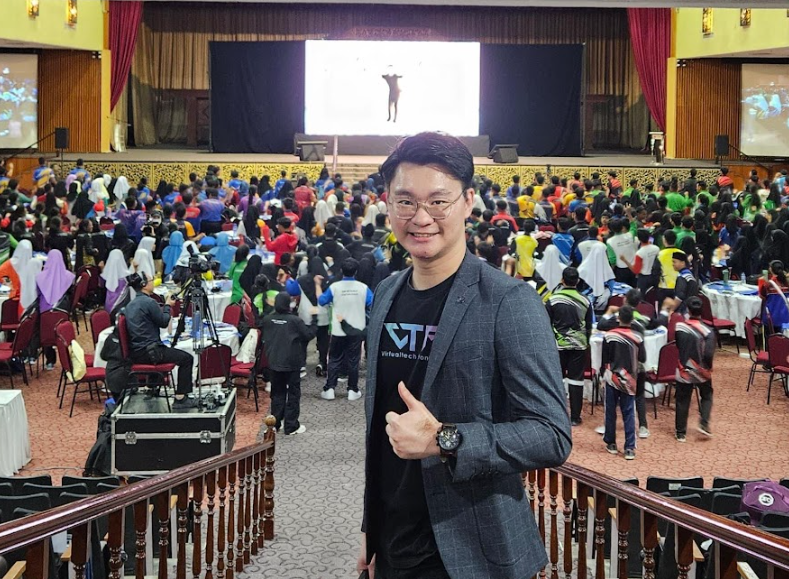
Low recalled a defining moment during a school visit. “I asked, how many of you use Roblox? Almost every hand in the hall went up.” These students weren’t just playing—they were earning, building, and socialising in virtual worlds.
“They transact in Roblox, earn money, and foresee themselves being there even in their 20s.” That moment reframed how he communicated the metaverse. “It’s not an abstract future—it’s already their reality,” he said.
If this is the world younger Malaysians understand instinctively, then businesses need to catch up. Low’s vision of the metaverse isn’t about escapism—it’s about intentional design to serve real, human engagement.
Designing for Interaction, Not Isolation
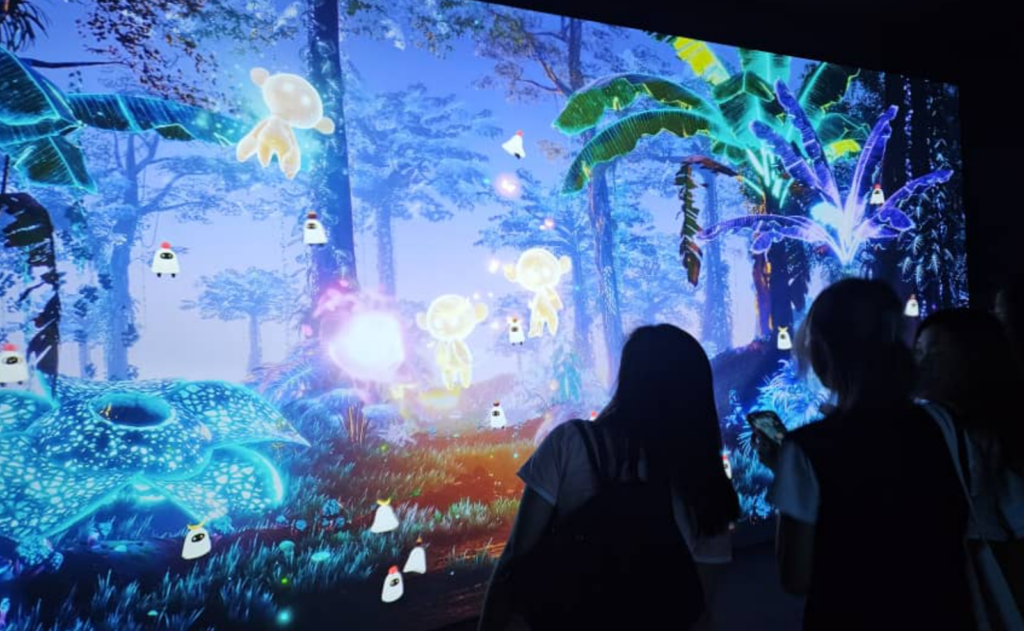
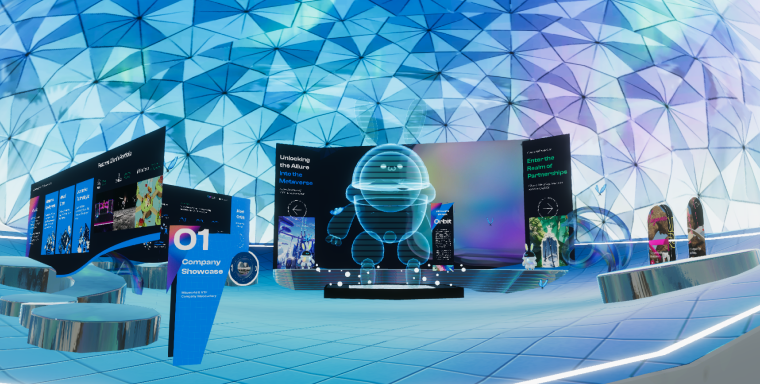
Low chooses concepts deliberately: engagement, not escapism; interaction, not isolation. It’s why, he emphasised, VTF builds digital campuses, gamified training platforms, mixed-reality rehabilitation programs, and immersive learning environments—not hypotheticals, but live deployments.
“This shift is as significant as the move from static websites to social media in the 2000s,” he illustrated. “Immersive tech isn’t a luxury, it’s infrastructure for modern learning, communication, and collaboration,” he added.
Purposeful Creation – Intentionally
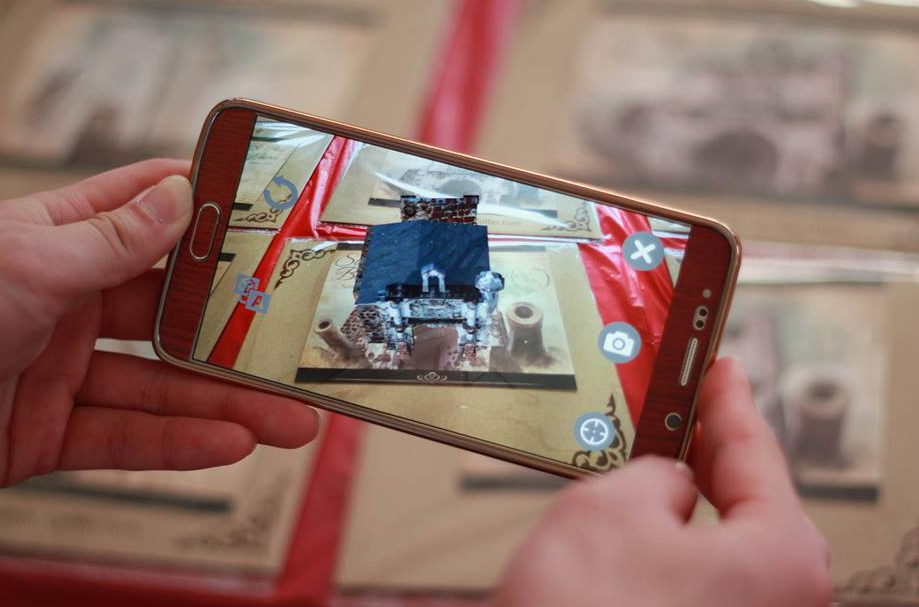
Low’s journey began intentionally. After graduating in 2015, he joined a Melaka-based startup working on Augmented Reality (AR) that was later acquired by a marketing agency in Kuala Lumpur. He moved to the city and led its tech division, merging design, marketing, and innovation for major brands.
That experience grounded him in commercial realities. “Marketing, if you look at it from a higher level, is educating users in fun ways so they actually remember you,” he enthused. Those early reflections—how people learn, how people remember—became the philosophical bedrock for VTF.
Technology Should Be Shaped by Human Behaviour

Low observed that when clients enter the development process, something interesting happens: “Their end users are actively participating and collaborating in the creative process.”
His team has noticed a consistent pattern as well, “Most of the time, the best ideas come from the people who will actually use the platform,” he concluded. “Maybe it’s the way we engage them in the co-creation process,” he added.
And that’s the difference VTF brings. They don’t build from assumptions—they build from actual user behaviour. The developer-client relationship becomes a space of engagement in itself.
Designing with Intention and Intent

While many companies acknowledge the need for digital transformation, few approach it as a true systemic shift. “Too often, customer experience, training, onboarding, and education are still delivered through static tools—PowerPoints, documents, and traditional websites,” said Low.
He emphasised that this is precisely where virtual worlds can create the greatest impact—but only when they are designed with purpose. Low distinguishes between intention (what we want technology to do) and intent (the deeper purpose embedded within it). Without this deeper intent, digital tools risk becoming another form of distraction.
When technology is anchored in meaningful intent, it has the potential to transform lives rather than merely capture attention. A compelling example of this is Virtualtech Frontier Group’s recent development of the MYFutureJobs Career Exploration Centre (MYCEC) in collaboration with PERKESO, located at Nu Sentral.
As the first collaboration of its kind with a government agency, this initiative underscores the critical role of the public sector in adopting experiential formats that blend technology, human connection, and immersive learning.
By delivering engaging, gamified experiences, the project empowers unemployed Malaysians to navigate their path toward future-ready careers with confidence and support.
Preparing for a Generation Born Into Virtual Worlds
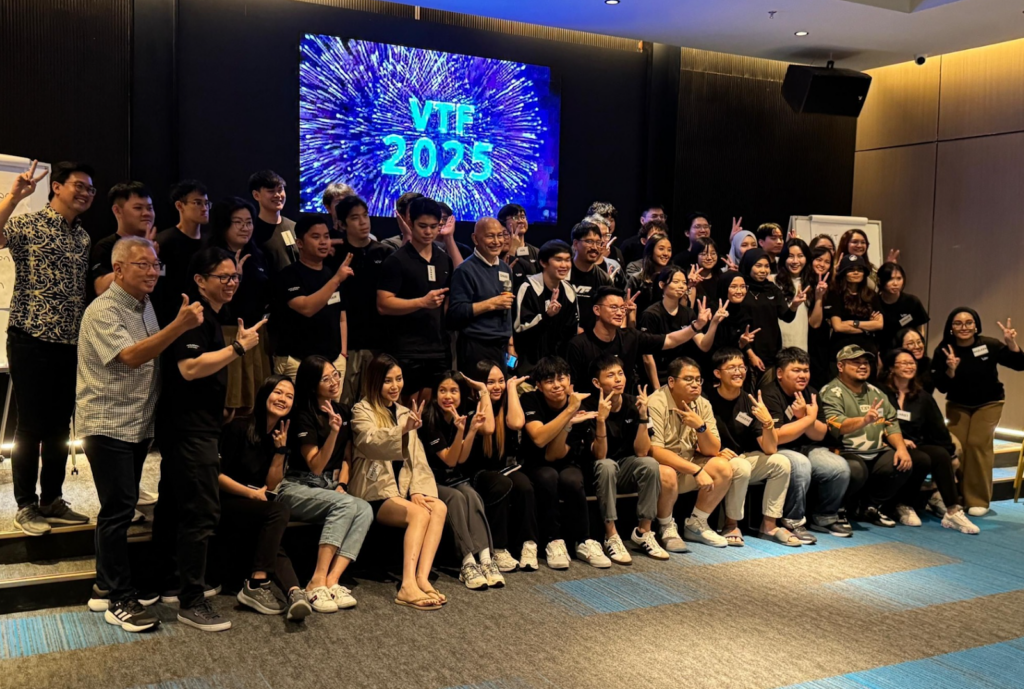
The next five to ten years will belong to a generation raised on virtual worlds, AI companions, and gamified education. Roblox is not just a game—it’s a preview of an economy where digital creation is a native skill.
VTF’s ambition is to bridge this generational shift with enterprise needs through gamified learning, immersive onboarding, and education platforms that fortify the teaching and learning experience; and where immersive experiences are tools for education, collaboration, and healing.
“Bringing in technologies and use cases from overseas will always be part of our strategy,” said Low. “But we also hope VTF can help Malaysian companies catch up faster—and eventually lead.”
This is a pivotal moment. We can either passively adopt digital trends—or actively shape them. “If our children already live in virtual worlds, then the real question is: Will our businesses meet them there with intention?”