



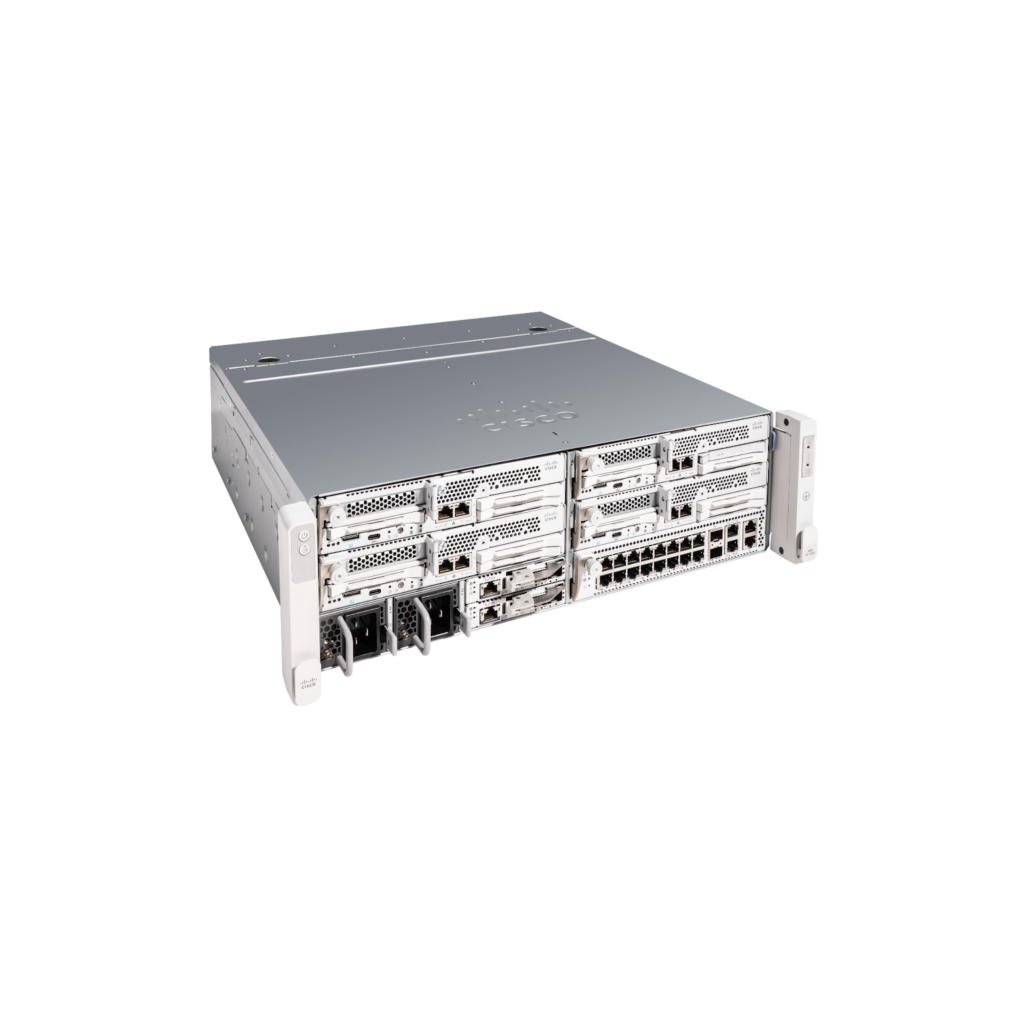
In early November, the company announced Cisco Unified Edge, an integrated edge computing platform designed to support distributed AI, agentic workloads, and real-time decision-making across the places where businesses operate.
Why Edge Matters for Businesses Now
Enterprise AI is shifting from centralised training to real-time inference at the point of action. . Industry analysts estimate that a large share of enterprise data will be created and processed at the edge. AI agents are intensifying this shift. Agentic AI workloads increase network demand, adding pressure on legacy infrastructure. Unlike chatbots that generate predictable, bursty traffic, agentic AI can generate up to 25× more network load, pushing legacy networks to their limits.
Instead of shuttling massive data streams back and forth, businesses now need the compute, storage, security, and AI models right where decisions happen, on the ground, on ‘the edge’.
The term "edge" refers to locations where your business directly operates—such as retail floors, factory lines, warehouses, clinics, branch offices, or even single devices like kiosks or cameras—where data is created and actions must happen instantly. Rather than sending information to distant data centres or the cloud and waiting for a response, edge computing processes data locally or nearby. This approach enables real-time action, reduces latency, enhances security, and improves AI operations. This explanation reflects general industry understanding of edge computing. In summary, the edge is where business takes place and where AI must now operate to provide immediate impact.
Lee Field, Vice President of US Solution Architecture at Verizon, shared, “The importance of the Edge is more apparent now than ever before. Early adoption of AI at the Edge delivers a competitive advantage that can transform entire industries. Sitting on the sidelines is no longer an option. With the rapid pace of AI and technological advancement, the future remains unpredictable. Building flexibility into a future-proof Edge platform is essential.”
“As AI and data processing shift from centralised data centres to the on-premises edge, customers will need solutions that deliver both agility and security right at the source. Cisco Unified Edge seamlessly enables secure cloud and AI infrastructure wherever data is generated, empowering customers and their models to infer at the edge and make decisions faster than ever before. Offering this solution not only strengthens our customer relationships but also positions the company at the forefront of future-ready technology adoption,” said Brian Ortbals, SVP of Global Solutions and Architecture at World Wide Technology.
AI Ready, Real-World Ready
Cisco Unified Edge is built for real-time AI performance, delivering a full-stack platform that runs both traditional business systems and GPU-intensive AI workloads. Its modular design supports CPU or GPU configurations, backed by redundant power and cooling, and a high-performance SD-WAN to ensure reliability, while pre-validated blueprints help reduce deployment risks.
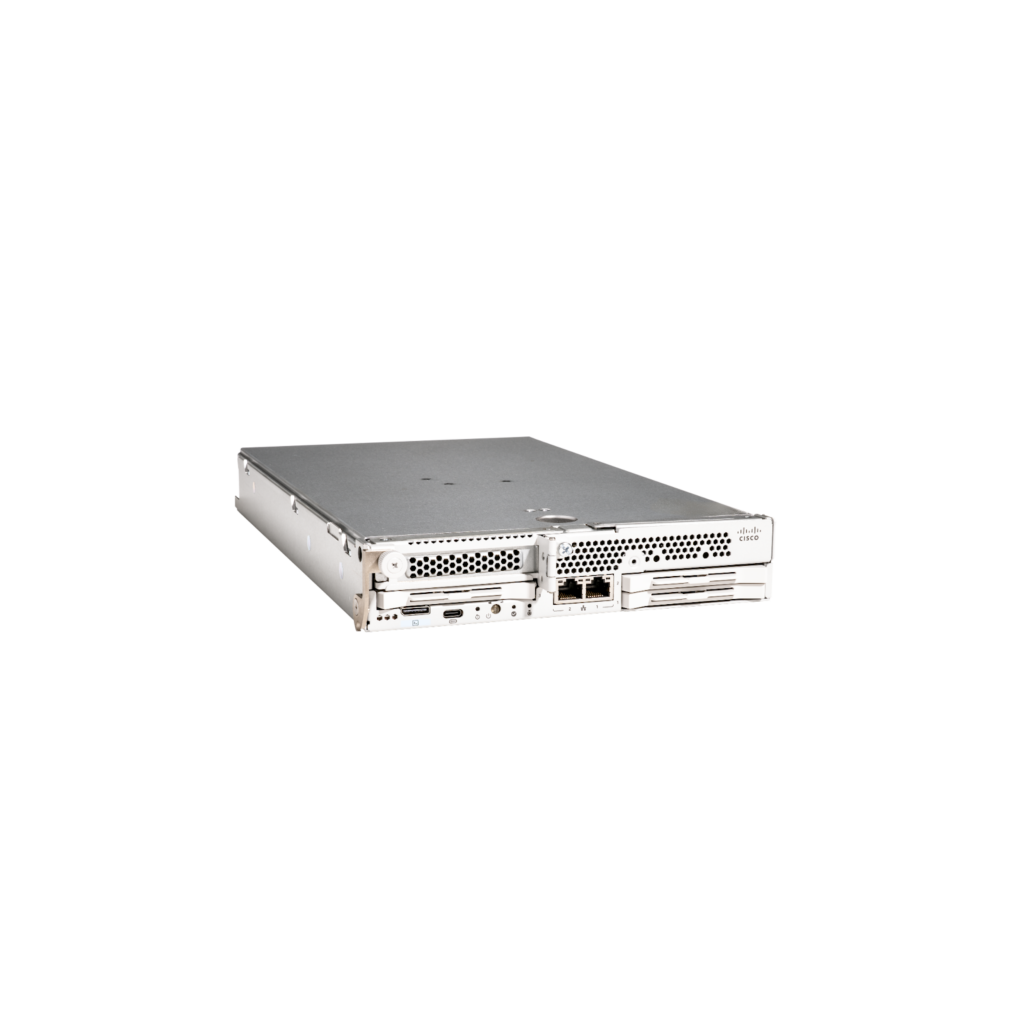
Cisco UCS XE130c M8 Compute Node: Built for GPU-intensive AI processing and edgeinference.
“To maximise AI’s productivity benefits in a manufacturing environment, connecting islands of automation is critical. Connecting multiple lines in a plant and then connecting multiple plants can generate petabytes of data. Some applications make sense to go back to the data centre; that will continue to happen. But other decisions need to be made in real time at the edge—especially on a manufacturing floor,” emphasised Blake Moret, chairman and CEO of Rockwell Automation.
The Cisco Unified Edge enables simpler rollouts and easier scaling, with zero-touch deployment for multi-site operations and centralised fleetwide management through Cisco Intersight. Integrated observability tools like Splunk and ThousandEyes provide end-to-end visibility and troubleshooting, making it practical for organisations that may not have deep AI engineering teams.
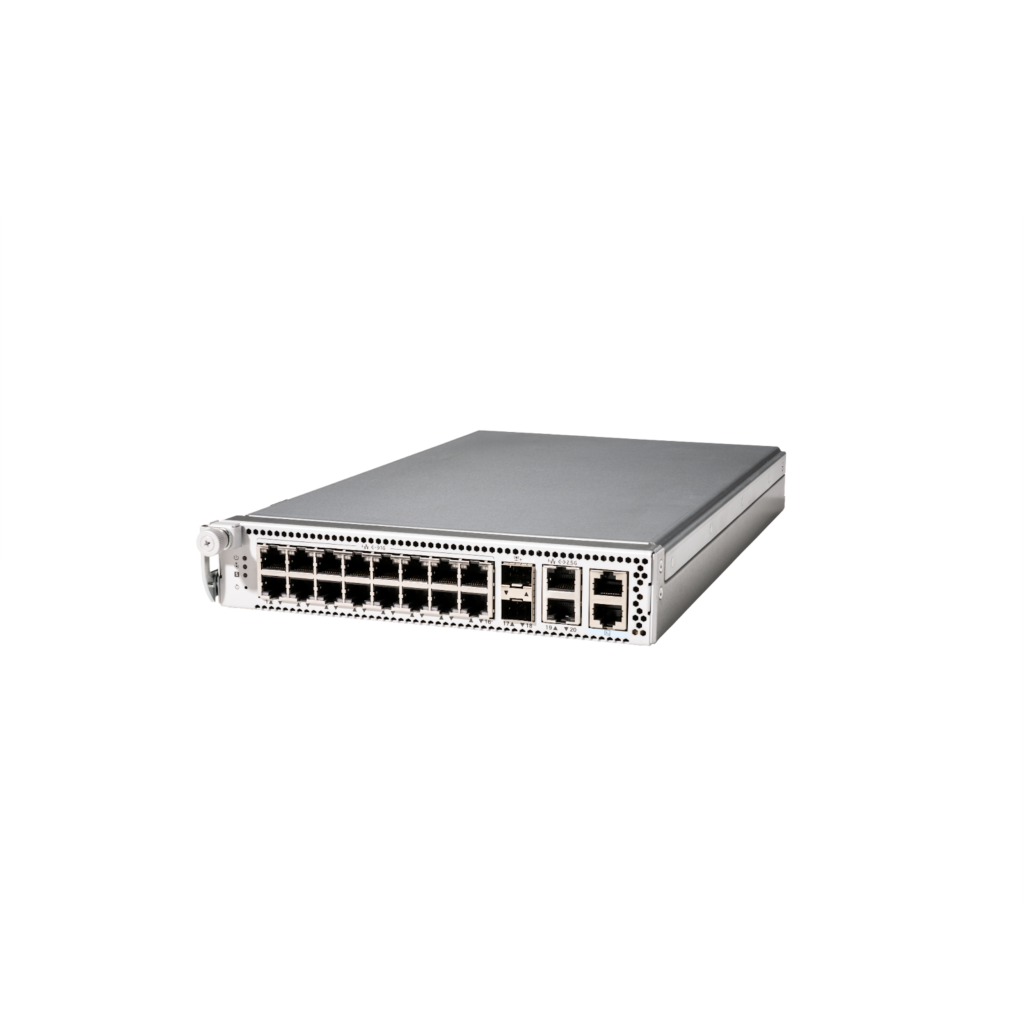
Security is strengthened through a built-in zero-trust architecture that combines hardware-level protection, tamper-proof controls, deep telemetry, consistent policy enforcement, and secure segmentation to protect applications, access, and AI models—addressing the growing physical and cyber risks of running AI at the edge.
Designed with Industry
The Cisco Unified Edge is co-developed with customers across retail, manufacturing, banking, and healthcare industries, where real-time AI can transform daily operations. Industry leaders echoed a consistent message: the edge is becoming the new centre of gravity for AI.
“The Intel-Cisco collaboration for Unified Edge represents a fundamental shift in how we think about distributed computing. By combining our silicon innovation with Cisco’s networking and compute expertise, we’re not just connecting edge locations – we’re extending the full power of the data centre to wherever data needs to be processed. The Intel Xeon 6 SoC provides a flexible, efficient foundation that edge systems need for high throughput, low latency workloads, while Cisco’s modular compute design and unified operations model make managing AI workloads easier and more secure,” said Cristina Rodriguez, Vice President and General Manager of Intel’s Network & Edge Group.
The result is an edge platform that supports both: today’s operational systems (POS, ERP connections, sensors, CCTV, automation), and tomorrow’s AI workloads (vision analytics, demand forecasting, machine insights, agentic automation); built to work across a global ecosystem of technology partners, managed services providers, ISVs, Infrastructure integrators, Telcos and network operators.
What This Means for Malaysian SMEs
For Malaysia’s SME ecosystem—particularly in retail, logistics, manufacturing, F&B, healthcare, and financial services—the message is clear: AI will no longer reside solely in distant data centres but will operate where business happens. By moving AI to the edge, SMEs can unlock faster operations, better customer experiences, real-time decision-making, lower latency, reduced reliance on the cloud, stronger security, and more predictable costs. Cisco’s Unified Edge offers a practical pathway to adopt AI without major infrastructure overhauls, helping future-proof business operations as AI workloads continue to expand.
“The true power of AI will be unlocked when we can move the inferencing and analysis closer to where the data originates, making the edge the new frontier for the next wave of AI. Agentic and Physical AI will require edge computing to handle the substantial increase in network traffic and the need for real-time analysis. Cisco Unified Edge simplifies adoption and operations for those enterprises that have struggled with how to implement AI to deliver true business impact.” Bob Laliberte, Principal Analyst at theCUBE Research.