
By Aileen Anthony
There is something wonderfully mischievous about Teoh Choon Ean. You hear it in the way she tells a story. There is always a laugh, a detour and an unexpected turn. Perhaps that is because her own life has unfolded much the same way.
At 72, the woman many know as Cikgu Ean is still writing, illustrating and telling stories. She produces a weekly illustrated mystery column for The Star, draws digitally and uses artificial intelligence as part of her creative process. Yet ask Ean how she arrived here and there is no carefully mapped plan. There is simply a life of saying yes, learning, getting stuck, starting again and trusting that seemingly disconnected experiences will eventually find one another.
Trust the Process
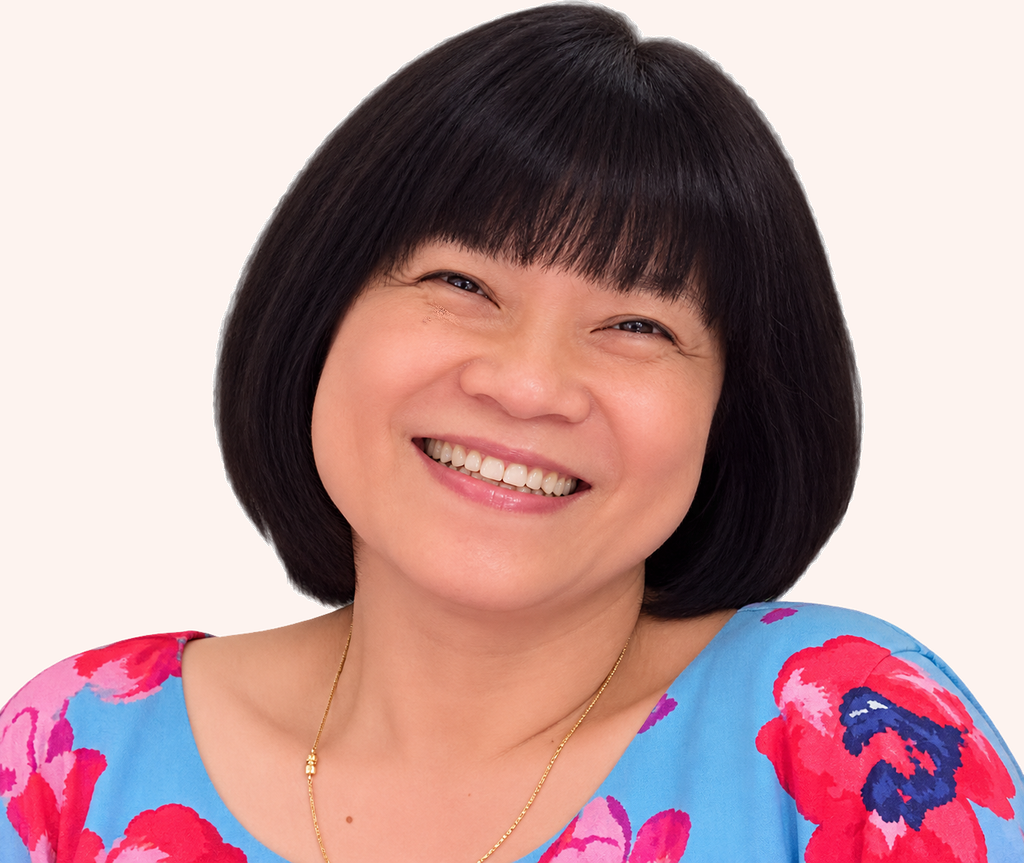
“You have to trust the process as you go through life, but your fundamentals must be very strong,” she said. Ean knows something about trusting the process. She graduated in Kesusasteraan Nusantara trained in pantun, seloka, gurindam and syair. Then she arrived at her first school and the headmaster took one look at her qualification and decided, “Oh, literature. Then you can teach English.” There was one problem. “I wasn’t trained to teach English.”
As a new teacher, she was hardly going to argue. “I said, ‘Yes, sir.’” So she taught English for 12 years. Ironically, not being traditionally trained became one of her strengths because she invented ways of teaching based on how she herself wanted to learn. “I was not bound by stereotypes,” she said. Decades later, she enthused, former students, now in their 60s, still remember her classes.
That willingness to step into unfamiliar territory would become a pattern. She moved from teaching into the Ministry of Education and eventually headed a Special Projects Unit. At 49, she decided on an optional retirement. “The first day I retired, I was so happy.” Then came the silence. After decades of teaching, travelling, coaching gymnastics and running projects, doing nothing did not suit her. She suddenly had time to listen to the birds sing. And, as it turned out, a bird would eventually change everything.
The Robin That Started It All
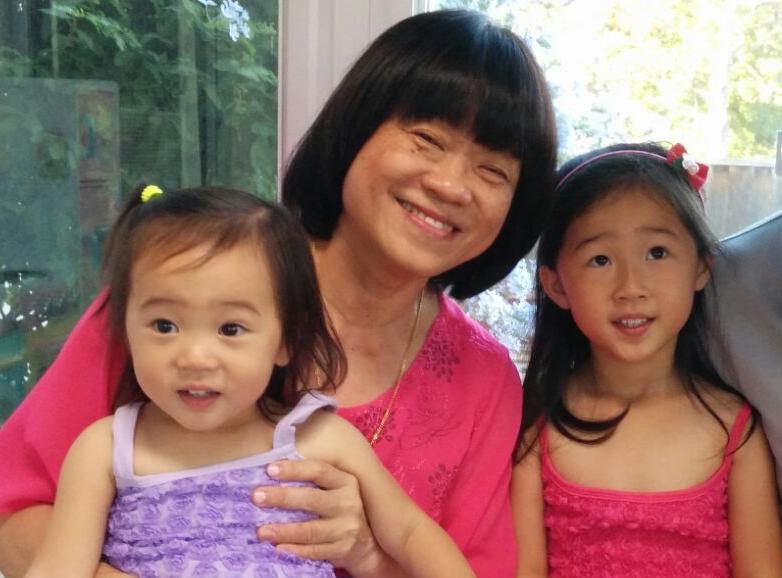
Around 2011, Ean was reading to her first grandchild when she came across an image that suddenly felt strangely out of place. There was a white-breasted robin sitting on a snow-covered branch. She looked at the book and then at the Asian child beside her. “This kid is Asian.
”Ean herself had grown up with stories populated by robins, foxes, hares and badgers. She had never questioned them. Becoming a grandmother made her see those stories differently. Where, she began to wonder, were the birds, animals, places and stories that a Malaysian child would recognise?
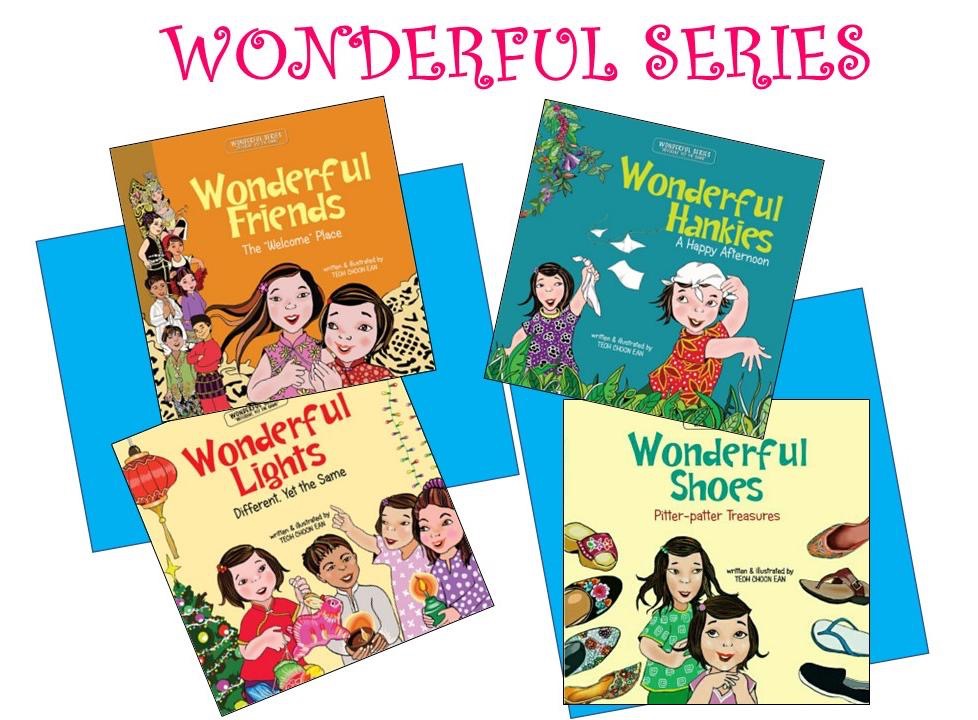
She went looking for children’s books rooted in Asian and Malaysian experiences. “I couldn’t find them,” So she decided to write them herself. A chance opening at book publishers, MPH, led to a meeting where Ean proposed Grandmother Stories, a series built around Asian folktales. While researching those folktales, she noticed something else. Wise grandfathers appeared frequently, but grandmothers tended to remain in the background. So, Ean created a grandmother who helped solve problems; and her message to her grandchildren was characteristically cheeky, “Don’t play with grandma. She’s smart.”
Ironically, there was a beautifully serendipitous circularity to it all. The degree in Kesusasteraan Nusantara that she thought she had never really used had finally found its purpose. “What I didn’t get to do in my career job, I used it post career.”
An Award She Did Not Know She Had Won
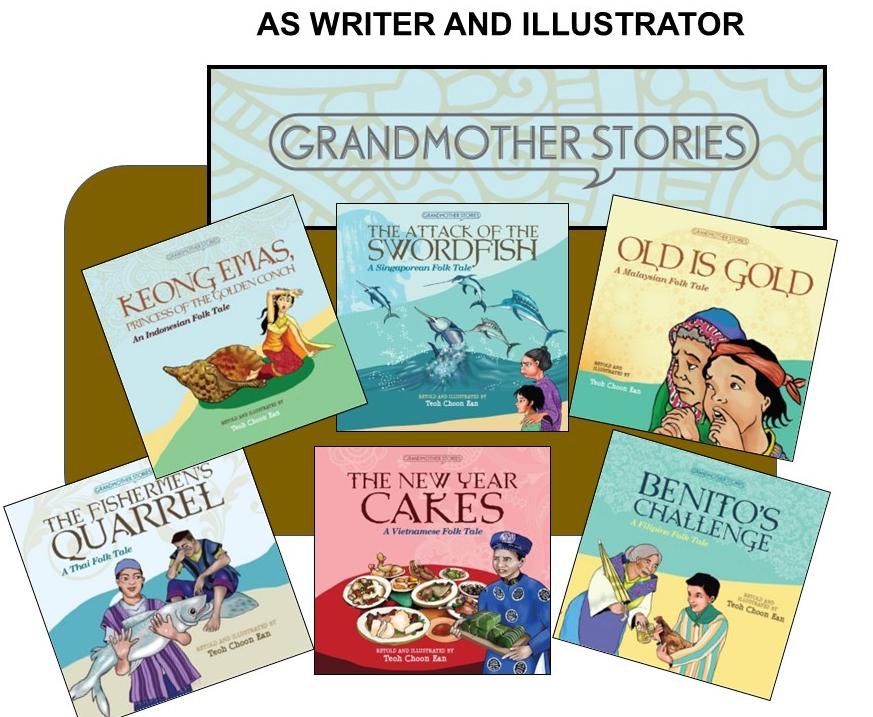
Ean had never written children’s books before and had never illustrated them either. Hiring an illustrator was expensive, so she tried doing the drawings herself and discovered something unexpected. “I found that I could draw better than I thought.” Then the books began receiving recognition. Two received merit awards at an event in Singapore.
More important than the prizes was what they represented to a woman still trying to work out where this unexpected post-retirement journey might take her. “I am sort of testing my fingers in different pies after retirement. I didn’t know where I should be,” she recalled.
Then came another invitation. Her publisher had submitted one of her books for the RTM PNM Book Awards without her knowing. Ean arrived simply believing that she had been shortlisted. When she saw that one of the other shortlisted books was A Doctor in the House by Tun Dr Mahathir Mohamad, she assumed that was that.
Then she opened the programme. There was her photograph alongside Dr Mahathir’s. Ean had won the fiction category, while the former Prime Minister had won nonfiction.
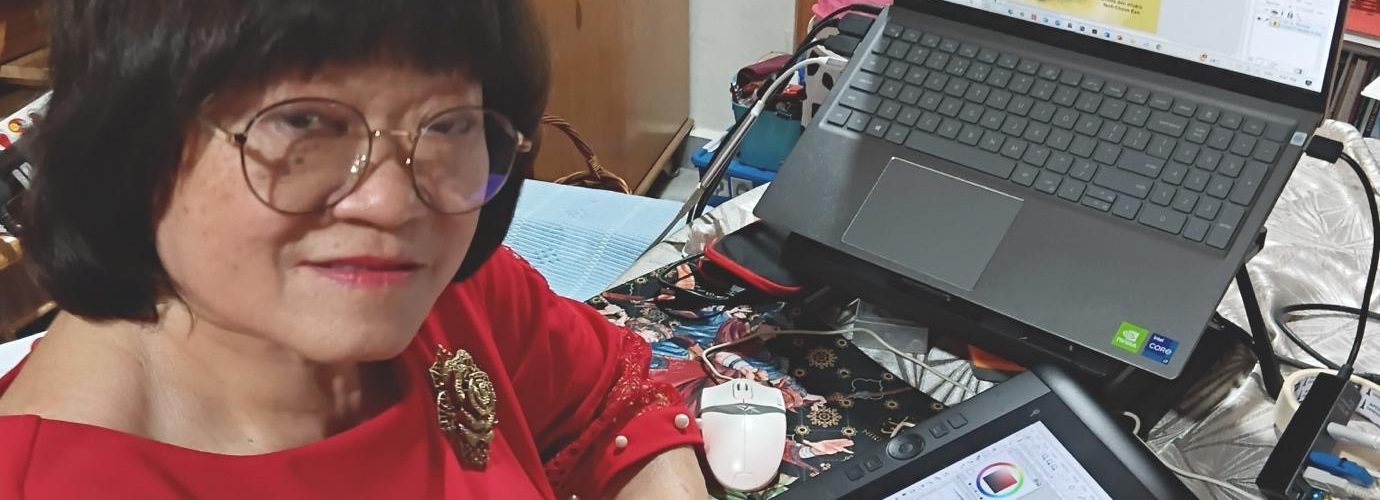
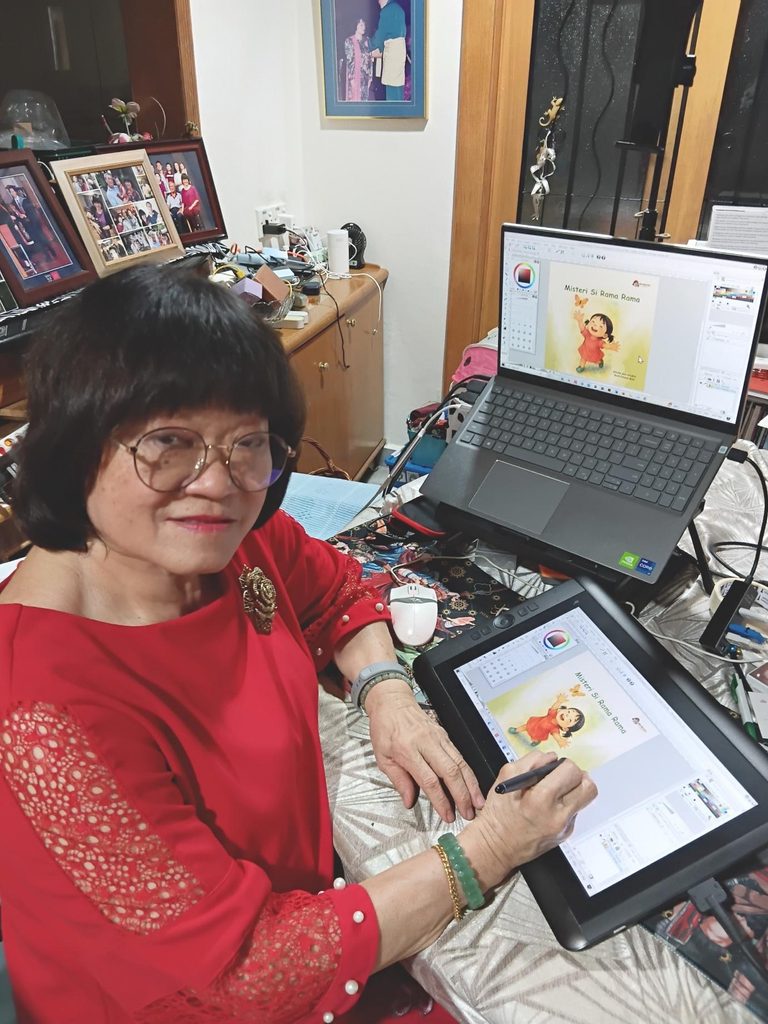
The award gave her the confidence to make another leap. She invested in the Wacom Cintiq digital drawing tablet she had been considering. But, there was just one problem, “I had absolutely no idea how to use it.”
Learning Enough To Begin
Luckily, one of Ean’s sons found a manga software she could manage. “I found that I could do 10 per cent of it, but it was enough to get me started.” That sentence could almost describe Ean’s approach to life. She has rarely waited until she knows everything before beginning. A graphic artist friend subsequently taught her about PNG files and layers. Again, knowing enough was enough to begin. Ean went on to produce ten books for MPH, and went on storytelling tours.
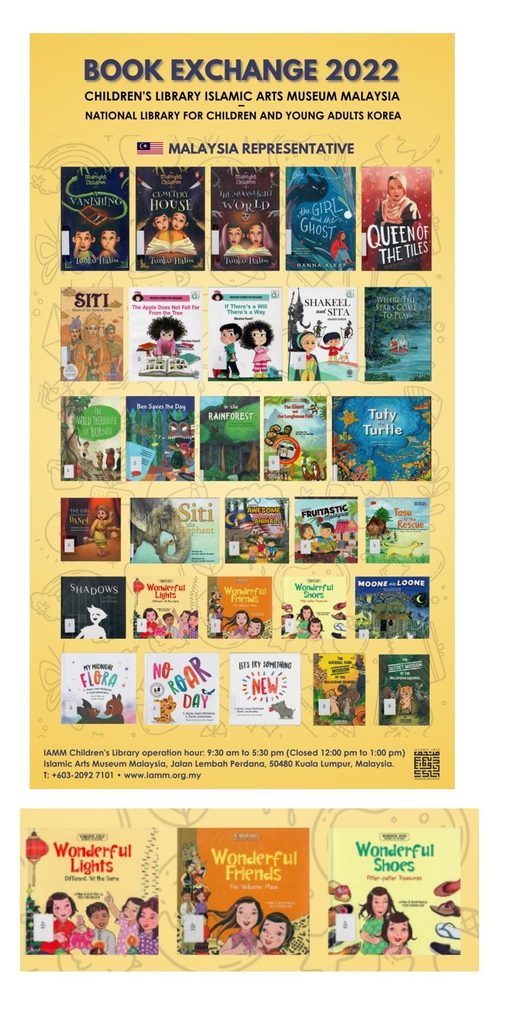
Four of the books were subsequently selected by the National Library for distribution to community libraries around Malaysia. Three were inducted into the children’s library of the Islamic Arts Museum Malaysia and included in a Korean Exchage programme as Malaysian representatives.
Then, in 2024, a Peranakan story she contributed to the anthology Dragon Lore became part of a collection of creative works sent to a lunar archive.
Even here, Ean’s first instinct was curiosity. “Who is reading on the Moon?” When she learned the archive was meant for a future when humanity might travel farther into space, her response was full of possibility. “Well, not yet.”
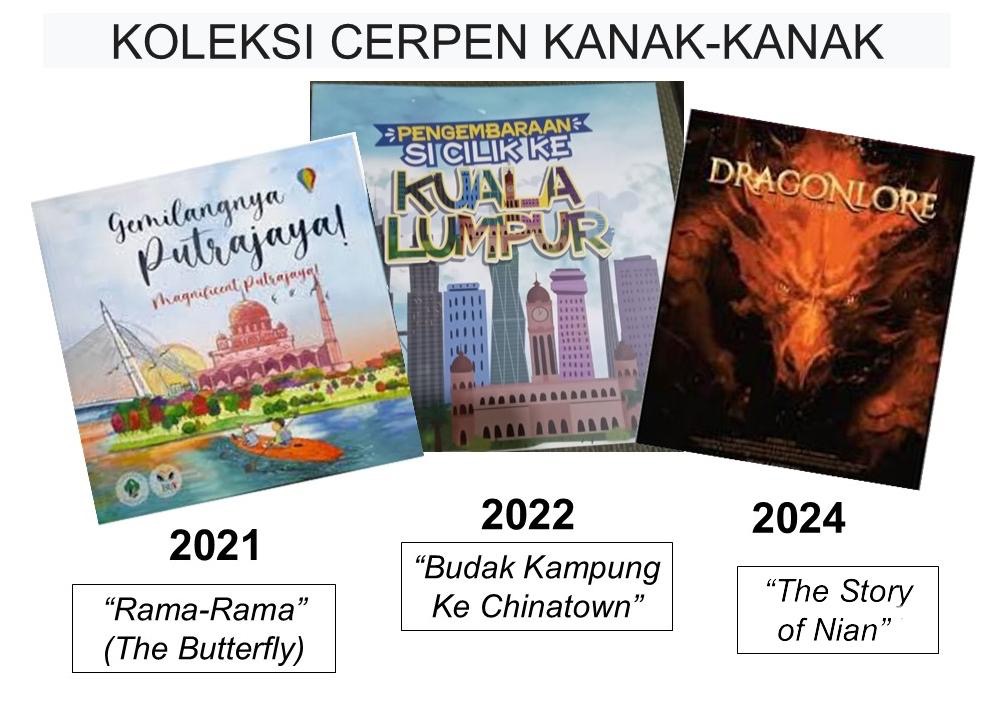
Another piece of her work travelled in precisely the opposite direction. A children’s story she wrote about Petaling Street for a Kuala Lumpur commemorative collection was placed in a time capsule and buried beneath the city, to be opened 50 years later.
When The Stories Stalled
Then, after years of prolific writing, something inside her stalled. “I’ve done it,” she remembers thinking. Then came procrastination, writer’s block and almost six years of what she calls ‘creative limbo’. Ean knew she still had things to do, but she could not summon the momentum to do them. That silent period matters because it makes what happened next significant.
Her story is not simply about someone who kept succeeding. It is about someone who lost her momentum and found it again. In 2024, when she was 70, a university friend told her about Talent Corp’s Women-Industry Network (WIN) programme. Her immediate reaction was resistance. “Hey, I’m 70. How to start?” Her friend replied, “Just Try.” They both applied. Ean got in. She went, and as she puts it, “I didn’t ever look back.”
“Who Wants A 70 Year Old?”
What Ean found in the programme went beyond technology. She met capable women who had stepped away from employment for different reasons. Some had cared for ageing parents, some had raised children and others had simply gone through periods when life demanded something different from them. “I could feel their talent,” Ean said. Yet she was confronting the same uncertainty within herself. “How can I fit back into the system? How can I be relevant?”
The programme introduced her to AI, something she had previously regarded with suspicion. After the programme, Ean told herself, “I must do something.” The opportunity appeared almost immediately. Ean learnt that The Star wanted to encourage reading among primary school children. Suddenly, everything she had accumulated throughout her life could come together.
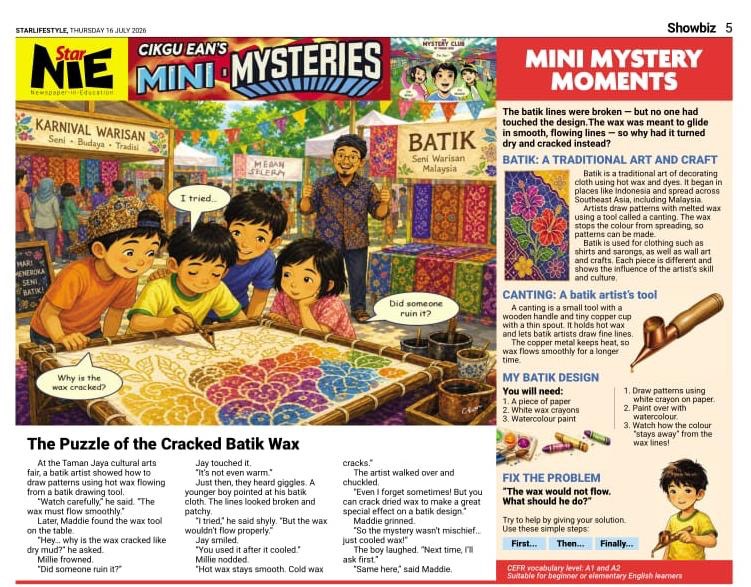
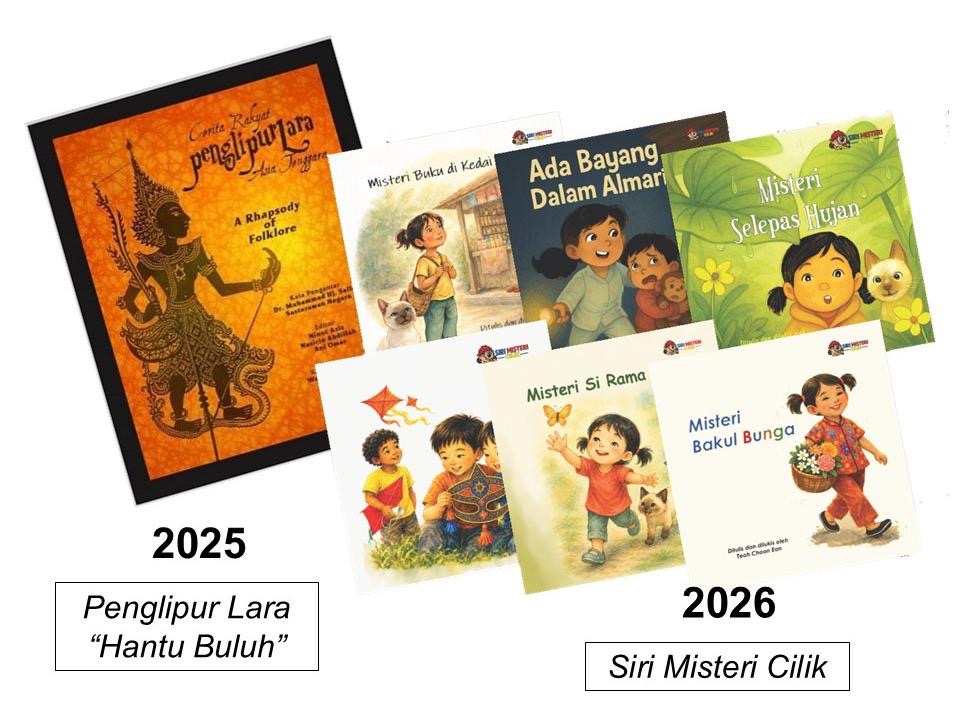
Her years as an English teacher, children’s author, illustrator and professional storyteller now met the new digital skills she had learned. She pitched short Malaysian mystery stories paired with comics, cultural information, and English learning activities. The Star offered her a contract. Her one-year column was subsequently renewed. Today, Cikgu Ean continues producing her stories every week. Her mystery stories revolve around unmistakably Malaysian things, including batik, congkak, batu seremban, fruits, traditions and even nasi lemak sambal.
“Dare To Fail”
When asked what she would tell another woman who is hesitating at the edge of something new, wondering whether she still belongs or whether her moment has passed, her answer was immediate. “Dare to fail. Then you will succeed. Because if you don’t try, you never know whether you can or not.” She believes people must remain humble enough to learn and open enough to receive new knowledge.
Perhaps that is the heart of Cikgu Ean’s story. The teacher never disappeared, and neither did the student. The woman trained in Nusantara literature, the grandmother troubled by a robin on a snow-covered branch, the aspiring illustrator who invested in a drawing tablet she did not know how to use, and the 70-year-old who wondered whether anyone still wanted her were always parts of the same person. Perhaps that is what it truly means to trust the process. You do not have to know where every chapter will take you. You simply have to remain willing to turn the page.