

Malaysia, 1 December 2025 – Malaysian business optimism has improved over the past six months, reflecting a more confident outlook on the long-term impact of tariffs and trade uncertainty. This insight comes from HSBC’s Global Trade Pulse survey, which includes feedback from 6,750 decision-makers across 17 markets including Malaysia.
The country stands out as a clear beneficiary of the current dynamic trade environment, with 51% of firms reporting a positive impact from tariffs and trade uncertainty to date; an 8-percentage point increase from six months ago. Looking ahead, expectations for the next two years are even more promising rising to 69%. This growing sense of certainty is crucial for firms, enabling them to make informed decisions and plan effectively for the future.
Malaysian companies stand out as among the most confident globally. Of the 250 Malaysian-based businesses surveyed:
- 92% are confident about growing their international trade within the next two years, surpassing the global average of 87%;
- 90% feel well-prepared or are actively preparing for changing tariffs and trade regulations.
Furthermore, businesses in Malaysia are increasingly adapting their trade strategies by embracing regional trade corridors. The survey finds that:
- 64% of Malaysian firms are more likely to strengthen their reliance on Southeast Asia, significantly higher than the global average of 34%;
- 47% of these firms plan to increase their reliance on East and North Asia;
- 42% aim to enhance their connections with South Asia.
This trend underscores a growing focus on intra-Asian trade as firms prioritise regional partnerships and opportunities alongside other global trade corridors.
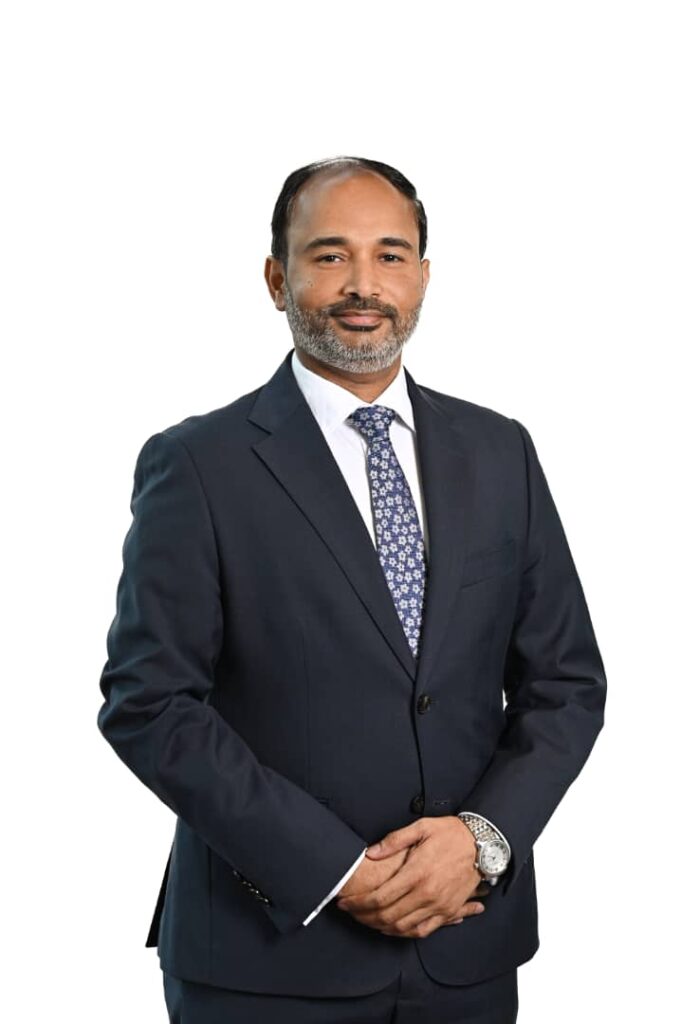
Shreyas Krishna, Head of Global Trade Solutions, HSBC Malaysia said, “Malaysian businesses are showing higher-than-average optimism, preparedness, and certainty regarding trade growth and policy after successfully navigating a time of high inflation and elevated interest rates. This trend shows that businesses are continuously adjusting to an evolving trade and tariff landscape. Companies now have a major opportunity to reinvent themselves and amplify their growth potential thanks to the immense possibilities offered by international trade.”
Diverse coping strategies and trade corridors drive resilience
To address trade risks and maintain competitiveness, Malaysian companies are adopting a wide set of strategies:
- 49% are revising pricing strategies;
- 47% are developing risk management plans;
- 43% are diversifying revenue streams;
- 48% of businesses are engaging in inventory buffering to manage supply disruptions by increasing stock levels;
- 42% are diversifying their suppliers to expand their network across different regions;
- 44% have already invested in supply chain visibility tools, and 45% plan to do so.
Moreover, 68% of business have reported changes in working capital requirements since 2024, largely due to trade and tariff uncertainty.
Exposure to market forces and the need for external support
Although Malaysian companies are taking proactive steps to strengthen resilience, they face significant exposure to external market forces:
- 67% report that changes in revenue are linked to tariff adjustments;
- 53% attribute revenue changes to pricing changes;
- 52% cite exchange rate fluctuations as a factor in revenue changes.
Malaysian businesses are increasingly seeking external support to navigate trade uncertainty:
- 66% are looking for guidance on expansion or supply chain realignment;
- 51% require crisis planning and resilience support;
- 48% need assistance with compliance, tariffs, and regulations.
Krishna added, “Corporates are re-evaluating their traditional supply chain patterns, focusing on market diversification and working capital strategies to foster sustained growth and resilience in the competitive global marketplace. In this evolving landscape, banks are taking on a more pivotal role in corporate decision-making. A significant 94% of Malaysian firms acknowledge that the importance of banks has increased as cross-border complexity continues to rise. Establishing strong partnerships with banks, such as HSBC, will be crucial for unlocking greater opportunities and laying a solid foundation for sustainable development”.