
by Marcus Tioh | Sales Trainer | Coach | HRD Corp Accredited Trainer
The question behind the question.
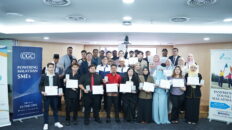
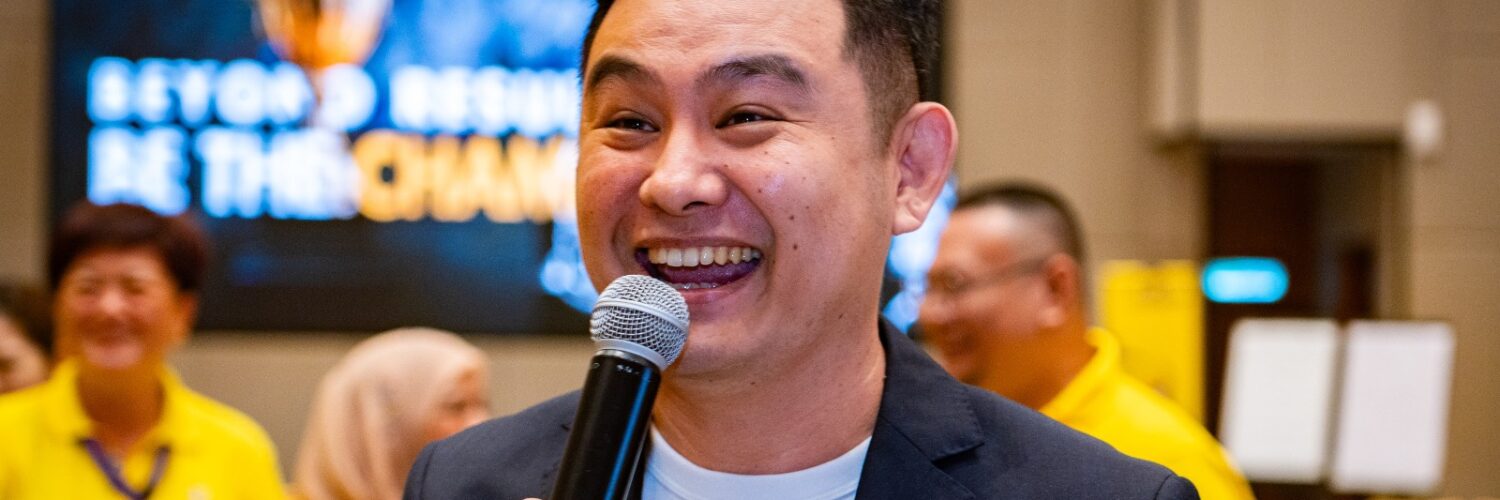
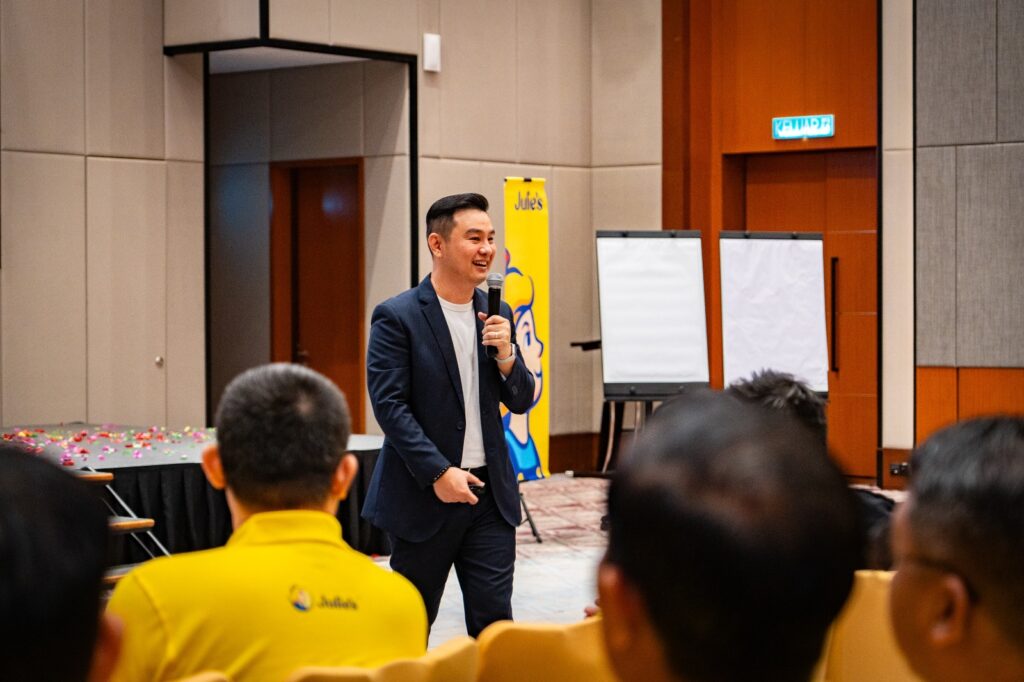
I recently had the opportunity to speak to entrepreneurs and business leaders about managing Gen Z sales teams. One question kept coming back in different forms: “Why are Gen Z employees so difficult to manage?” They are sometimes described as fragile, difficult to retain, too dependent on recognition, unwilling to work overtime, or too quick to question instructions. My perspective is slightly different.
“Perhaps Gen Z is not necessarily more difficult to manage. Perhaps we are still trying to manage them using the same methods we were managed with.”
Every generation enters the workplace with different experiences, expectations and references. Gen Z has grown up in an environment shaped by smartphones, instant information, social media, AI, online learning and global exposure. In my view, that does not automatically make them better or worse employees. It means managers need to understand what may influence how they approach work. One of the key messages is simple: different environment, different expectations. Not wrong. Just different.
The question behind the question: “Why?”
One of the biggest things I emphasise when talking about Gen Z is purpose. Managers often tell employees what they need to do. But Gen Z employees may ask: “Why do I need to do this?” I do not think managers should automatically interpret that question as attitude or disrespect. Instead, we should ask whether we have explained the purpose behind the task. If an employee understands why something matters, and that purpose connects with something they personally believe in, the level of commitment can be very different.
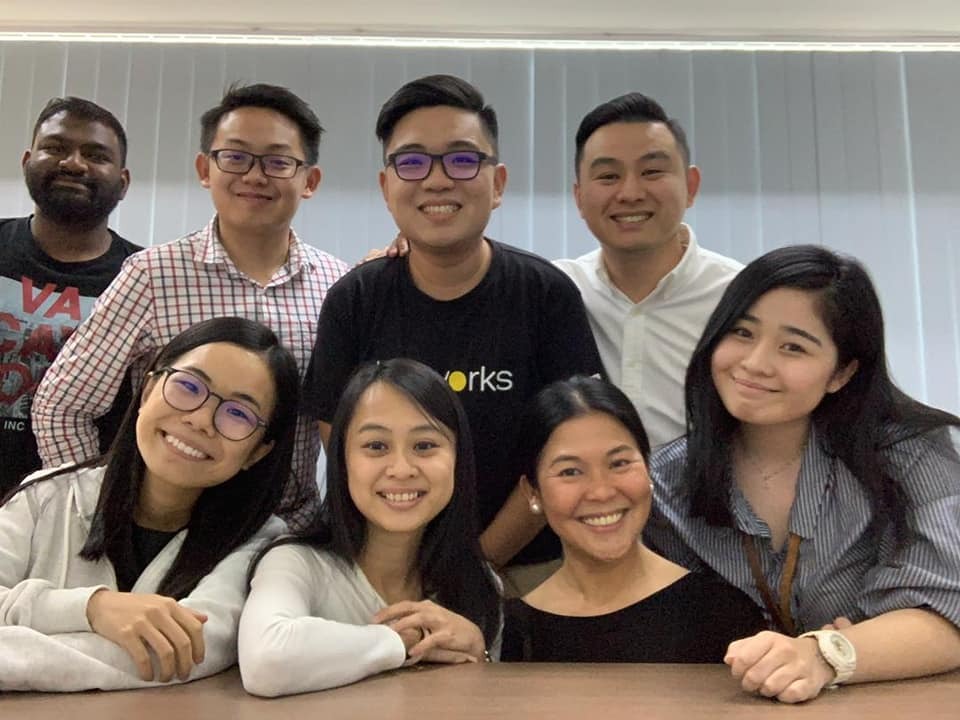
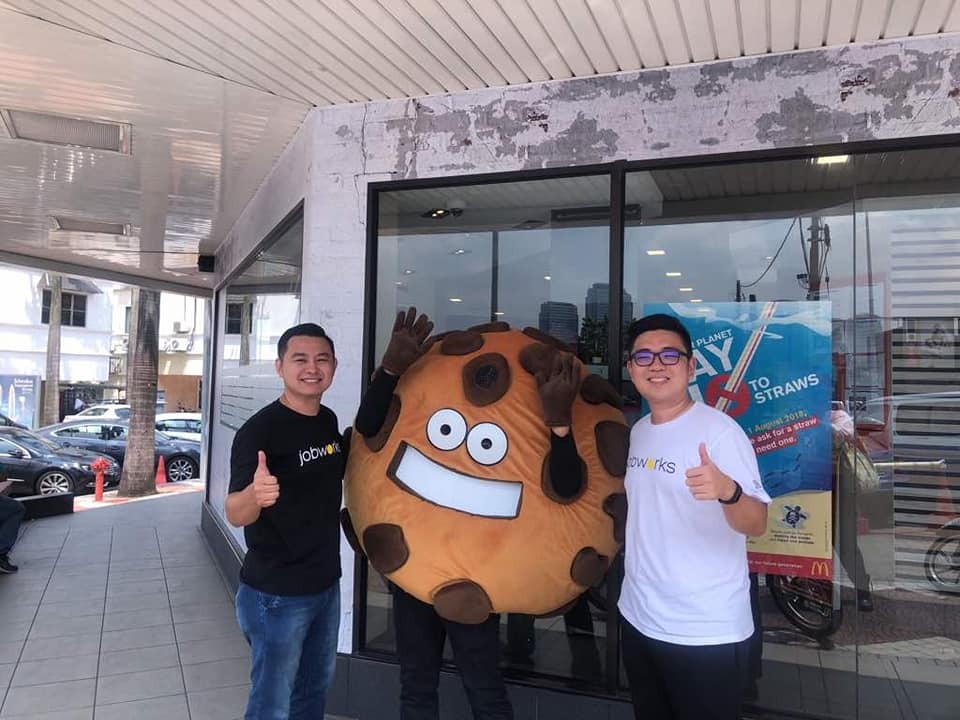
I experienced this myself when I founded Jobworks. Our purpose was to create job opportunities for part-time workers without discriminating based on race, gender, age, including retirees, or circumstances such as pregnancy. That purpose resonated strongly with our team. They were not simply working to complete another company KPI. They believed in what we were trying to achieve.
I remember one particular situation very clearly. A client had delayed payment to us because of documentation issues. However, we had made a promise to our part-time workers that they would receive their payment within seven days. The team could have simply told the workers, “Sorry, the client has not paid us yet.” Instead, some of my team members took money from their own salaries, which they had already received, and used it to pay our part-time workers first.
That was not something I instructed them to do. It happened because they believed in the purpose of the organisation. “When people believe in what they are working towards, commitment can go far beyond the job description.” That experience taught me that purpose is not just a nice statement on a company website. When people genuinely connect with it, it can influence how they behave when nobody is telling them what to do.
Alignment matters.
I am also careful not to say that every Gen Z employee needs purpose and will suddenly become highly motivated. That would simply create another stereotype. There will always be employees who are not motivated, regardless of how good the manager, company or purpose is.
Managers still need to manage performance. If someone is willing to learn, improve and contribute, the manager has a responsibility to coach and develop that person. But if someone consistently shows no willingness to change or contribute, sometimes the right decision is to let that person go.
“The goal is not to keep everyone. The goal is to build a team where the individual and organisational expectations are aligned.”
This is why I believe the interview process is extremely important. Before hiring someone, managers should understand what the candidate wants from their career and whether the company can realistically help them move towards those goals.
Stop managing Gen Z by saying, “Last time we were like this.”
One of the biggest mistakes I see managers make is comparing today’s employees with how they themselves were managed. I often hear: “Last time my manager also trained me like this.”
“Yes. But you are not managing yourself 20 years ago. You are managing someone today.”
Managers need to recognise that the workplace has changed. That does not mean standards should disappear. Sales targets still matter. KPIs still matter. Accountability still matters. But the way we get people to achieve those outcomes may need to change. Instead of only asking, “Why did you not hit your target?”, perhaps ask, “What obstacles are stopping you?” Instead of saying, “You should know,” try, “Let’s figure it out.” Instead of saying, “Do what I say,” ask, “What do you think?”
I call this the Conversation Shift. It moves the manager from simply giving instructions towards creating a conversation that helps the employee think, solve problems and take ownership.
M.A.R.C.U.S. Leadership Framework
My approach is captured in my M.A.R.C.U.S. Leadership Framework:
M Mentor, not Micromanage
A Appreciate Small Wins
R Respect Their Voice
C Coach Through Questions
U Understand Their Purpose
S Stretch Their Potential
These principles are not exclusively for Gen Z. They are good leadership practices generally. However, they become particularly relevant when managers are leading employees who expect more dialogue, feedback and involvement in their work.
Let them make mistakes.
Another thing managers need to reconsider is the fear of allowing younger employees to make mistakes. Of course, there are mistakes that can seriously damage a business. But if every small mistake is immediately punished, corrected or micromanaged, how will young employees learn to make decisions?
“Allow them to make mistakes, so long as it does not cost the company a limb.”
A mistake can become a very expensive lesson. Or it can become a very valuable learning experience. The manager’s role is to create boundaries around the risk, allow the employee to learn, and then coach them through what happened. That is very different from simply saying, “I told you so.”
Parents also need to let their children learn.
There is another issue that sometimes enters the workplace which managers may not be prepared for: parental involvement in their children’s careers. I once coached a junior sales professional whom I personally considered very promising. She was not leaving because she was lazy or unmotivated. She was leaving because her parents were extremely protective and did not want her working overtime or on weekends.
That experience reminded me that younger employees can sometimes be influenced by the expectations and protection of the environment around them. Parents can provide guidance, but young adults also need space to make their own career decisions, experience challenges and learn from consequences.
The conversation should begin before the employee joins.
For me, one of the most important lessons for SME owners is this: do not wait until the employee joins your company to discover whether you are aligned. It should start during the interview. Most interviews focus heavily on whether the candidate can do the job, whether they have the experience, their strengths and their salary expectations. Those questions are important.
But I would also ask:
• What do you want to achieve in your career?
• What is important to you at this stage of your life?
• What motivates you?
• What kind of environment allows you to perform at your best?
Then the company needs to ask itself: “Can we actually provide that?”
If the answer is no, we should not be surprised when that employee eventually leaves.
Money and job titles still matter. But for many younger employees, they are not necessarily the only factors influencing whether they stay and perform. Purpose, growth, learning, recognition, trust, autonomy and the relationship with their manager can also shape their experience at work.
So, are Gen Z really difficult to manage?
My answer is: sometimes yes. But so is every generation. Every generation has employees who are difficult. Every generation has high performers. Every generation has people who need coaching. And every generation has people who simply are not the right fit for a particular organisation. The mistake is turning an entire generation into a management problem.
Instead, managers should ask themselves:
• Have I clearly explained the purpose?
• Does their purpose align with our organisation?
• Have I given them enough opportunity to learn?
• Am I coaching them or simply controlling them?
• Am I trying to make them work the way I used to work, or am I learning how to lead the person in front of me?
“Every generation changes the workplace. Great leaders change themselves first. Lead the person. Not the generation.”
Three things managers can start tomorrow.
1. Introduce short, regular micro-feedback conversations rather than waiting for formal reviews.
2. Ask more questions before giving answers. Help employees develop their own problem-solving ability.
3. Explain the “why” behind routine tasks so employees can connect their work with the bigger purpose.
About the Author:
Marcus Tioh, also known as Uncle Marcus, is a Sales Trainer, Coach and HRD Corp Accredited Trainer with experience across sales, hospitality, human resources, business development and leadership. He is the founder of Marcus Skills Builder and has worked with organisations across multiple industries on sales, leadership, communication and people development.