
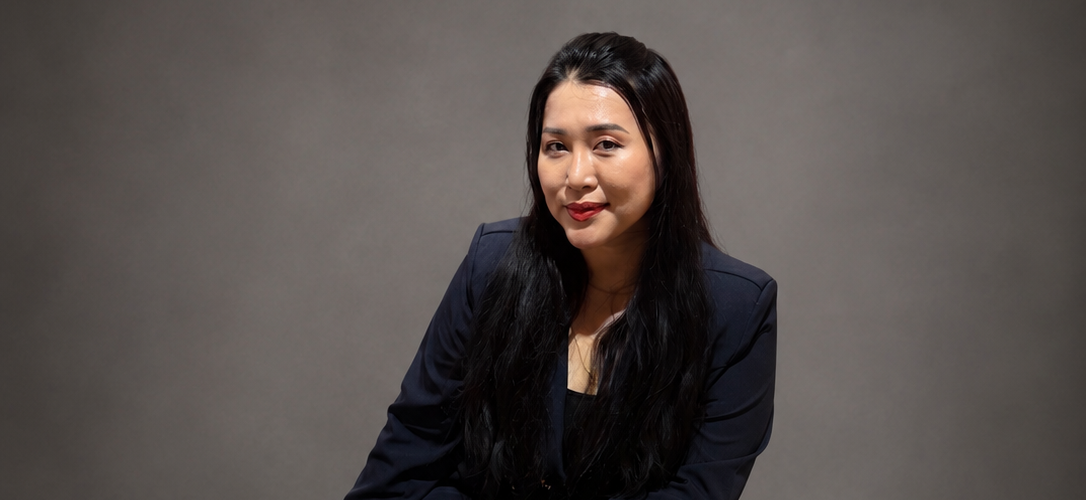
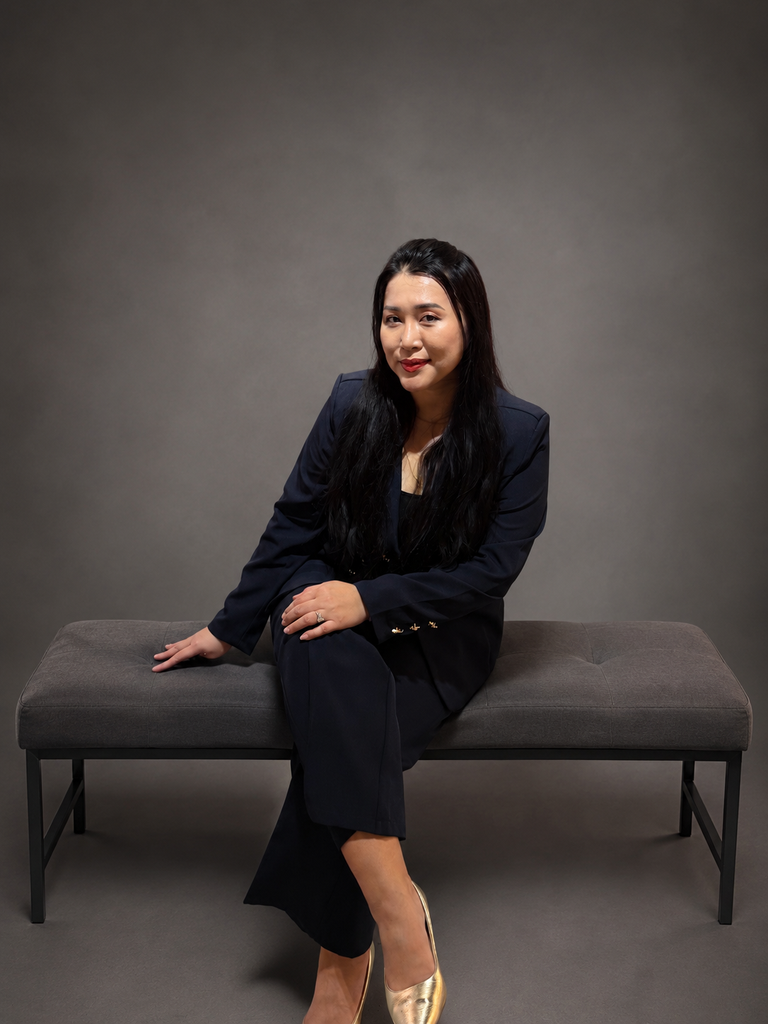
As a manufacturing engineer from Johor Bahru, Yang Arnieda Azaman began her professional journey on factory floors where male colleagues vastly outnumbered female ones. Growing up in a household of four sisters had taught her the value of supporting women, yet stepping into the engineering world meant entering an environment where she constantly felt she had to prove herself.
Over the years, she gradually moved away from engineering and into business development, corporate communications and leadership roles. Although her career progressed steadily, there was one challenge that never quite disappeared.
Confidence.
“I was always more comfortable working behind the scenes,” she reflected. “I never really dared to take on leadership positions or lead major projects. I always felt like I wasn’t ready.” Yet life was about to present her with a challenge far greater than any workplace obstacle. As a single mother, her priorities changed dramatically when she realised her young daughter needed help with reading and writing. Today, awareness of learning differences such as dyslexia is much greater. But at that time, information and support were difficult to find.
“I didn’t know where to go or who to ask. I searched online, tried to understand what she was going through, and learnt different techniques to teach her myself.” Every evening became another lesson. She coloured books by hand, enlarged letters, created her own learning materials and patiently guided her daughter through words, numbers and exercises that many parents take for granted.
Then COVID-19 happened.
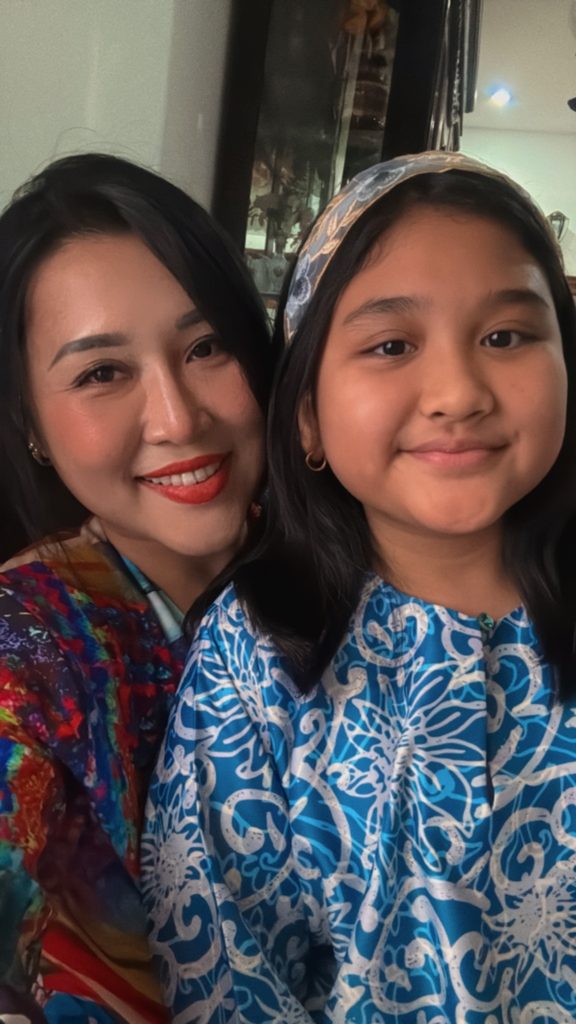
While the pandemic disrupted careers across the country, she saw it differently. “I felt it was a sign from God,” she said. “I already knew my daughter needed me. The pandemic simply made the decision clearer.”
She stepped away from her career for almost two years to devote herself fully to helping her daughter build the confidence and foundational skills she would need before entering primary school.
It was a sacrifice that many people did not fully understand. Professionally, she was stepping away from a leadership role she had worked hard to earn. Personally, she was putting her daughter’s future ahead of her own career ambitions. But she never questioned the decision. “I didn’t want her to enter school feeling left behind or lose confidence in herself.”
The effort paid off. By the time her daughter entered Year One, she could read and write independently. Although she progressed at her own pace, she no longer feared being left behind. Today her daughter is twelve, and Yang has no regrets. “I thought my career needed me. But actually, my daughter needed me more.”
The Hardest Part Was Returning.
When the pandemic eased, she was ready to return to work. She assumed returning to the workforce would simply mean updating her résumé and attending interviews. Reality proved very different. After nearly two years away from work, she found herself questioning everything she once knew.
“When you’re away for that long, you lose confidence. You walk into meetings surrounded by people talking about new projects and experiences, and suddenly you feel small.” Even asking simple questions became intimidating. The greatest challenge was not rebuilding technical knowledge. It was rebuilding belief in herself.
The WIN Turning Point
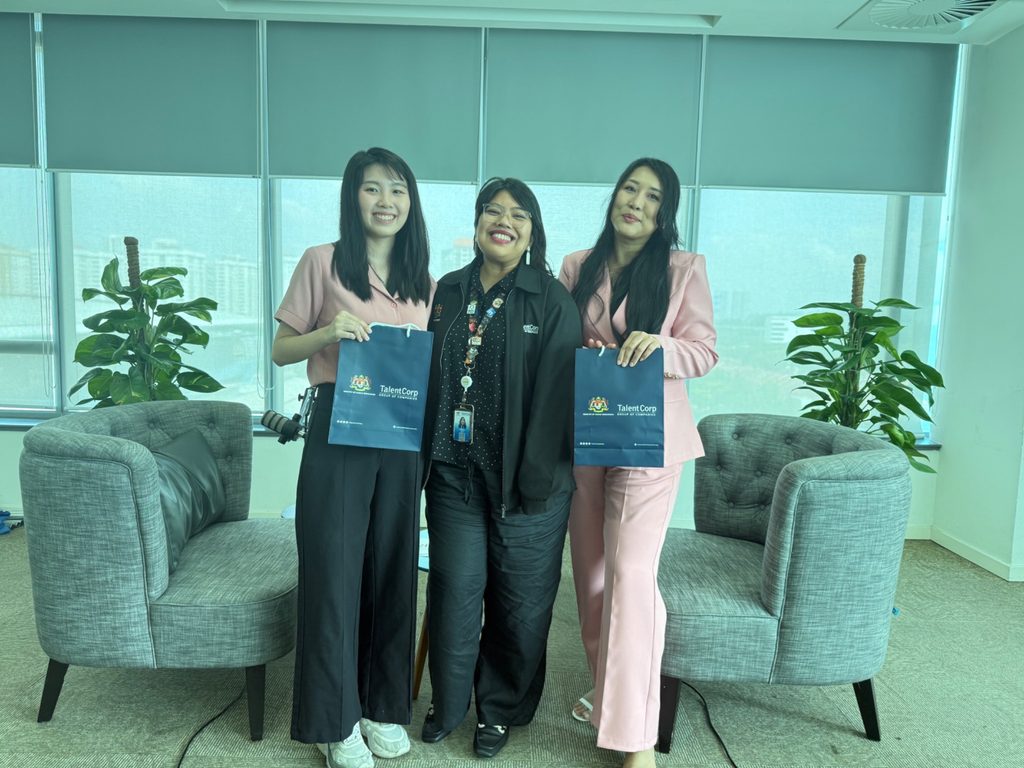
While searching for ways to regain her confidence, she came across the Women Career Comeback Programme under Talentcorp’s Women-Industry Network (WIN) initiative. She applied, completed the selection process and became part of the programme’s very first cohort in 2021.
She described the experience as arriving at exactly the right time. “I didn’t just need training. I needed someone to believe in me again.” Matched with an experienced mentor for three months of one-to-one coaching, Yang found herself challenged in ways she had never experienced before.
Her mentor was direct, transparent and unafraid to point out areas she needed to improve. Instead of feeling discouraged, she found the honesty refreshing. One assignment required her to prepare and deliver presentations. For someone who had always avoided public speaking, it felt overwhelming.
So she found an unexpected audience. Her daughter. “I practised every presentation in front of her.” Without realising it, both of them were learning together. “My daughter could actually see how I was growing.”
Seeing Leadership Differently
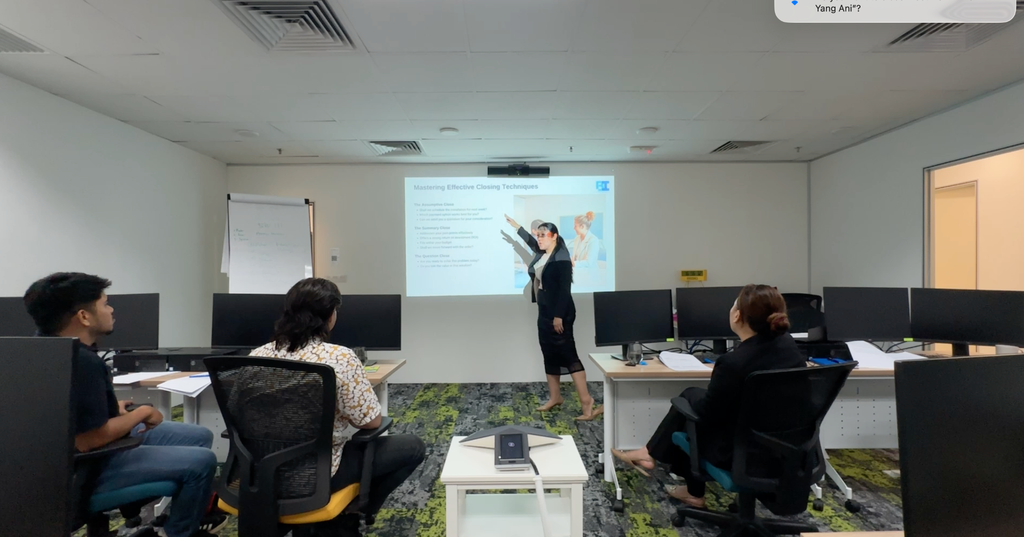
One of the biggest mindset shifts came from simply observing the women around her. For perhaps the first time in her career, she was surrounded by accomplished female leaders who were also participating in the programme. “They were CEOs. They were leaders. But they were still themselves.”
Until then, she had unconsciously believed that becoming a leader meant becoming tougher, louder or more masculine.
WIN challenged that assumption. “It showed me that you don’t have to stop being a woman to become a leader.” That lesson transformed how she viewed leadership. Rather than trying to imitate others, she learnt to lead authentically, with EQ, confidence and her own communication style.
Confidence Creates Opportunity.
The difference soon became visible. After completing the programme, she accepted a new leadership opportunity within an oil and gas organisation. Just two weeks into the role, she was entrusted with preparing and presenting a major proposal to Petronas.
“If you had asked me before the programme, I couldn’t have done that.” Instead of staying in the background, she volunteered ideas, contributed confidently and eventually led major projects. Her confidence had changed not only how she viewed herself, but also how others viewed her. “People respond differently when you believe in yourself.”
Building Her Own Business.
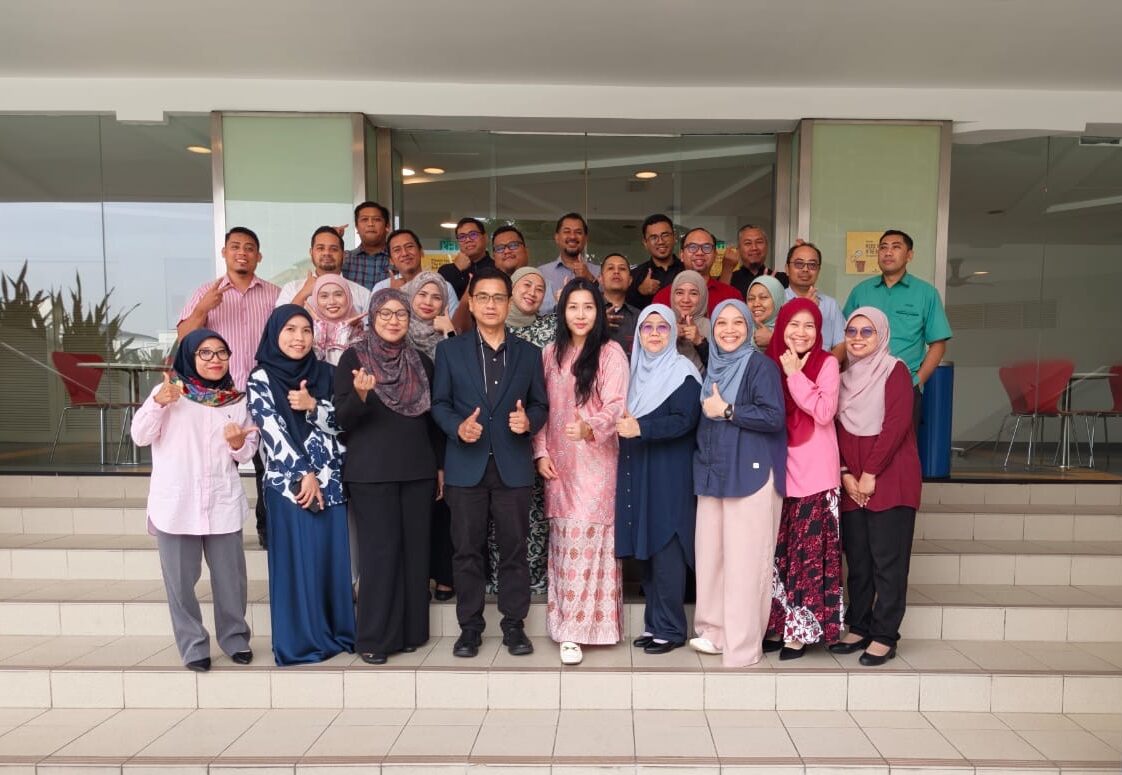
That renewed confidence eventually inspired another leap. In 2024, she established Bayu Ignitra, a training and development company focused on AI, leadership, communication, safety and professional development programmes. Working with a network of trainers across different disciplines, she now designs and delivers programmes while continuing to grow the business.
Among the areas closest to her heart is a women’s empowerment programme. Having spent much of her career as “the only woman in the room,” she understands the quiet challenges many women continue to face. “There were meetings where people didn’t take my opinions seriously. Sometimes they dismissed what I said before I even finished speaking.”
Yang doesn’t let those experiences discourage her; she uses them to help other women build confidence, strengthen their voices, and develop their own leadership styles. “I don’t want women to think they need to become someone else just to succeed.”
More Than Career Development.
When asked what the WIN Programme gave her, she doesn’t immediately mention presentations or networking. Instead, she speaks about something much deeper. “It helped me reconnect with my professional identity.”
The WIN programme reminded her that career breaks do not erase experience. They do not diminish capability. Nor do they define a person’s future. She encourages every woman who joins similar programmes to commit to the experience fully. “You have to embrace your weaknesses before you can discover your strengths.”
For her, the programme became far more than a return-to-work initiative. It became the bridge between the person she used to be and the leader she was capable of becoming.