
In Malaysia, natural oils, aromatherapy and plant-based body care are becoming increasingly familiar as consumers look for products that feel safer, greener and more rooted in nature. But as demand for treatments based on natural ingredients and traditional knowledge grows, a key question is gaining relevance, can products associated with relaxation and self-care also help repair damaged land?
The answer is becoming clearer across the region as citronella-based wellness products are turning disaster-prone land into income while helping protect local ecosystems. The Asia Pacific market for such products is projected to reach USD 3.94 billion by 2031, growing at a CAGR of 8.26%, spanning oils such as lavender, orange, eucalyptus and peppermint.
In Malaysia, the essential oils industry is projected to grow to USD 207.76 billion by 2032, driven by rising health consciousness, demand for natural aromatherapy and the country’s strong agricultural base. Across the country, community enterprises, cooperatives and SMEs, including women-led businesses, are producing oils from lemongrass, citronella, patchouli, tea tree and palm derivatives, while embedding eco-friendly processing methods and traditional herbal knowledge into modern production systems.
In states such as Johor and Sabah, these oils are being used in aromatherapy, cosmetics and eco-friendly household goods, strengthening rural livelihoods and reinforcing Malaysia’s role in sustainable wellness production. Across the region, one example comes from Pulu Village in Sigi Regency, Central Sulawesi, where a village enterprise has turned erosion-prone land into income by processing citronella into organic spa products.
At the centre of it is Lana Tumbavani, led by Dilah Sahim, whose work shows how environmental recovery can become the starting point for economic growth. Pulu Village has lived for years under the threat of flooding. Between 2020 and 2021, floods affected around 1,365 people and reduced agricultural yields by nearly 70%, leaving residents with fewer livelihood options.
In response, Dilah Sahim (29), Director of the Pulu Village Owned Enterprise (BUMDes) and owner of Lana Tumbavani, began with a simple priority: stabilise the land. Citronella was introduced not as a commercial crop, but as an ecological solution. Able to grow in poor, sandy soil, its roots help strengthen riverbanks and reduce erosion, especially when combined with bamboo. Only later did its economic potential become clear, as the leaves could be distilled into essential oil for spa and body care products.
“In the beginning, we did not think about business at all. What mattered was that the land was safe and not further damaged; the economy came later,” said Dilah.
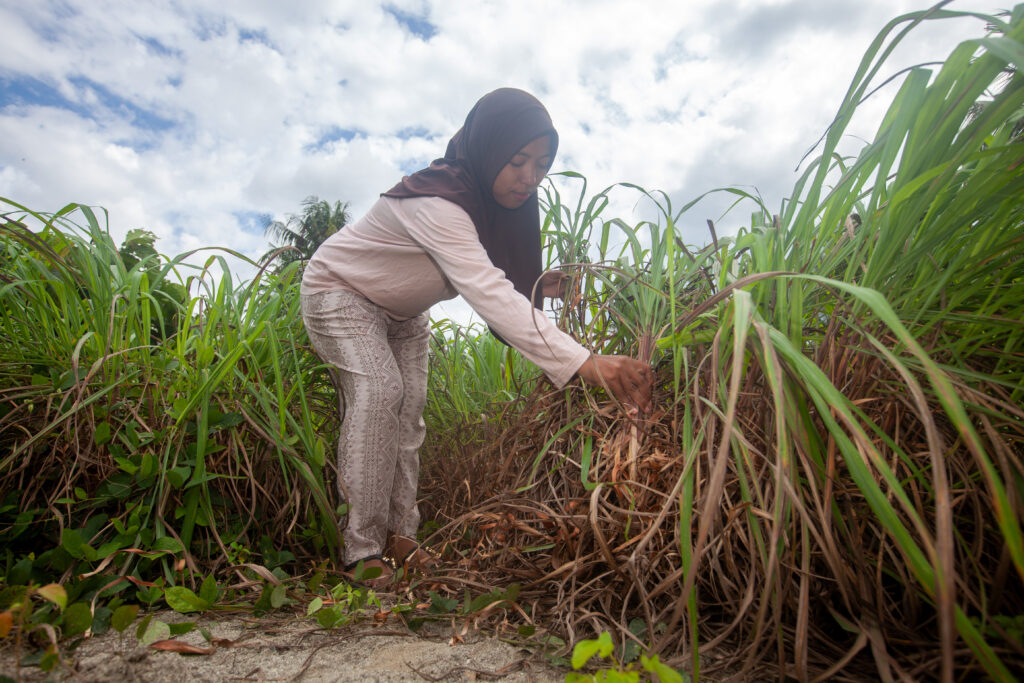
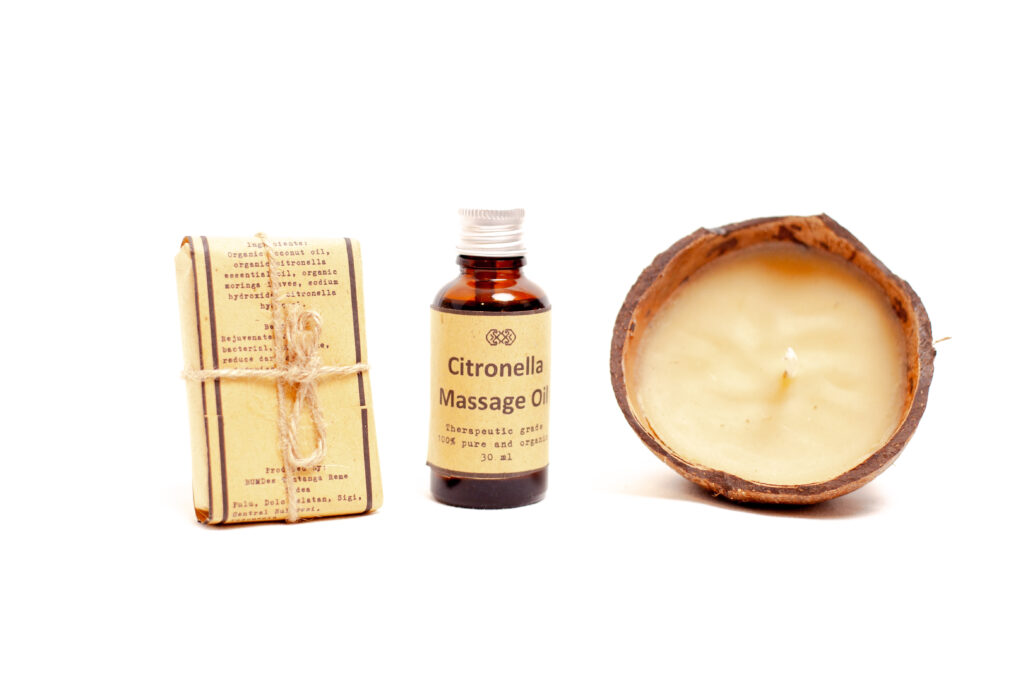
That process gave rise to Lana Tumbavani, named from the Kaili words for oil and citronella. What began as land recovery evolved into a wellness enterprise producing citronella oil, massage oils, herbal soaps with local moringa leaves, beeswax-based candles and solid perfumes.
By 2024, production was still limited, but the oil had begun attracting interest from buyers and visitors from outside Indonesia, including Malaysia, Nepal and the United States. Today, the products are used as amenities in tourism destinations, including the Aston Hotel in Sigi, and are also sold through Shopee.
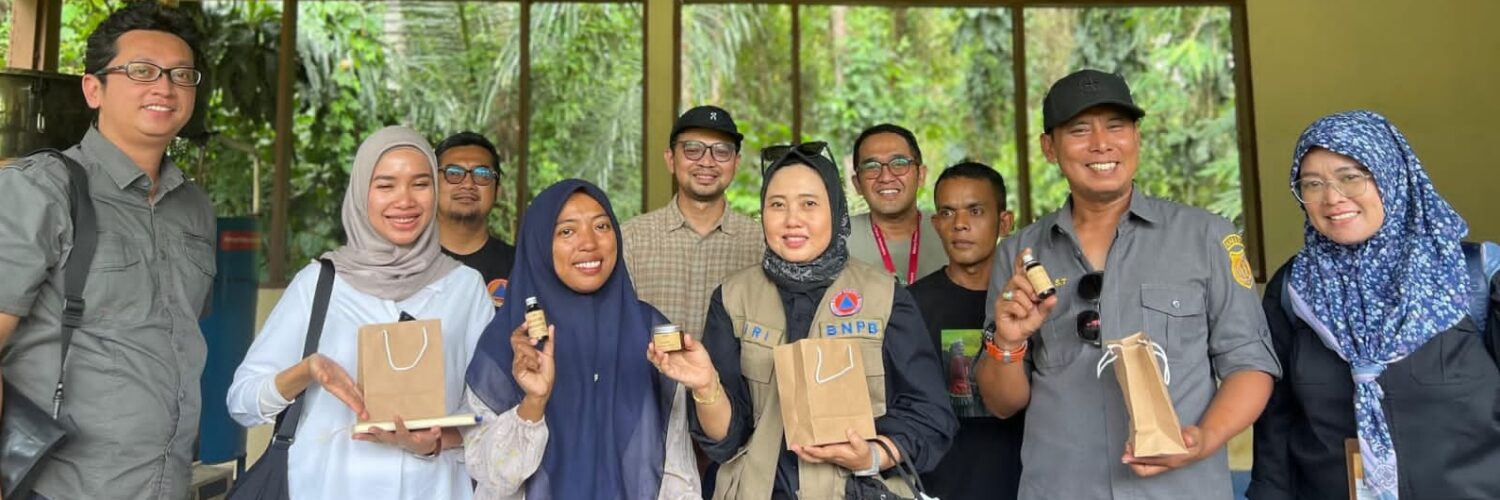
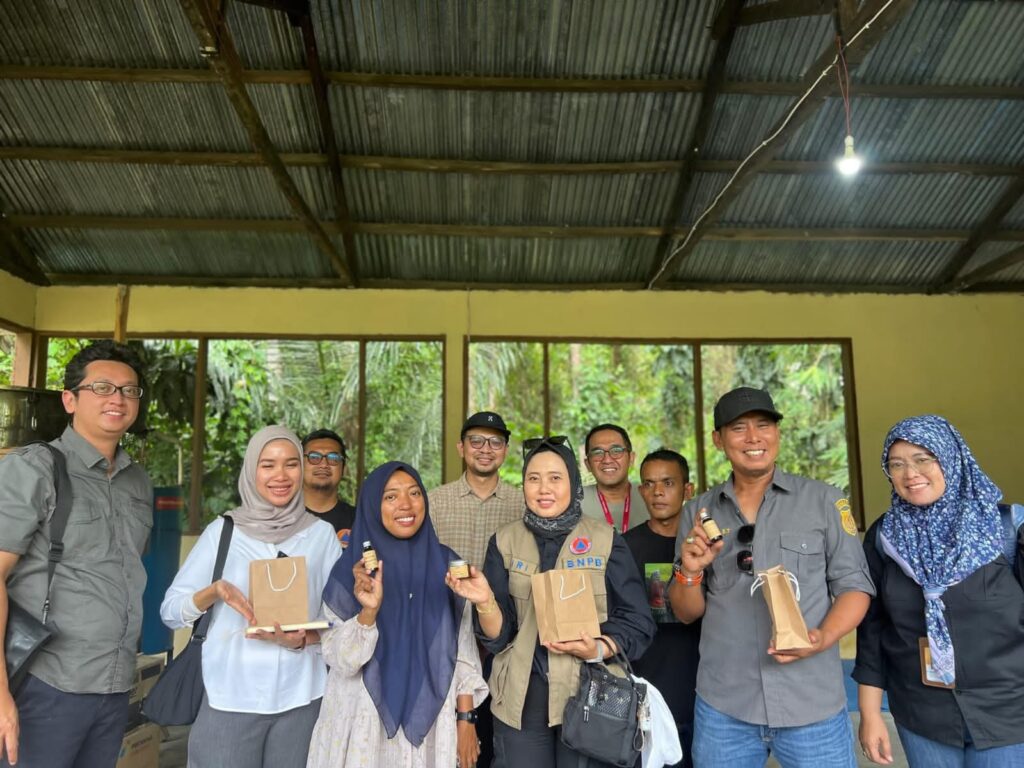
As demand for sustainable wellness products rises, the challenge for Lana Tumbavani is not simply finding a market, but entering it without losing its original purpose. Through the GIAT 2.0 incubation programme, Gampiri Interaksi worked with BUMDes Pulu to review cost structures, production capacity, pricing and market readiness, while keeping the enterprise anchored in the principles of a restorative economy.
“We see this as a restorative economic practice, not a conventional business. Nature is restored, the community is mobilised, and the products have clear value. If one of those is removed, the model collapses,” said Nedya Sinintha Maulaning, a representative of Gampiri Interaksi.
The impact is already visible. Between 2024 and early 2025, around 3 to 4 households were involved in the production chain, with participating residents recording an average income increase of 50% compared to before. Less than one hectare of previously unproductive land has also been stabilised through citronella planting, while the risk of flooding in certain areas is estimated by residents to have declined.
For Dilah, the link between environmental recovery and livelihood is straightforward.
“If the environment does not recover, there will be no product, and there will be no income. What we are doing is simply proving that caring for nature can directly impact the residents’ economy,” said Dilah.
From Gampiri Interaksi’s perspective, that is precisely what makes the approach durable.
“Usually, nature is squeezed first, then the economy is shared. Here, nature is restored first, and then the economy grows. That is what makes it more durable,” said Nedya.
As an association of district governments, Lingkar Temu Kabupaten Lestari (LTKL) promotes regional independence through a restorative economy. For LTKL, initiatives like Lana Tumbavani show how ecosystem support, multi-stakeholder collaboration and platforms such as the Sustainable District Outlook can turn environmental recovery into the basis for long-term growth.
In Pulu Village, citronella has become more than a spa ingredient or fragrance. It is part of a restorative economy that begins with repairing land, draws value from local plants and creates income without sacrificing nature.