


Where Wellness Meets Environmental Recovery
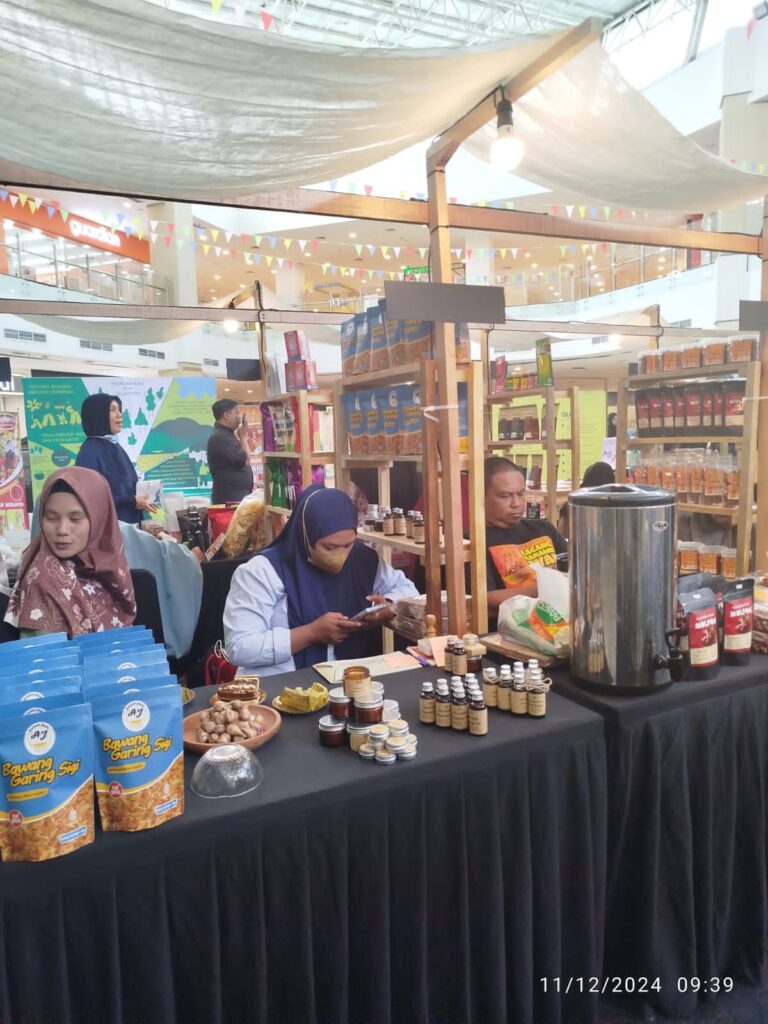
In Malaysia and across Southeast Asia, demand for natural oils, aromatherapy, and plant-based skincare is rising. Consumers increasingly prefer products that feel safer, greener and rooted in nature. However, a bigger question is emerging: can wellness products do more than relax the body? Can they also help restore the environment?
This question is gaining urgency as the Asia Pacific natural wellness market continues to expand. In fact, it is projected to reach USD 3.94 billion by 2031, growing at a steady pace. As a result, oils such as lavender, eucalyptus, peppermint and citronella are moving from niche products into mainstream demand.
Malaysia’s Growing Role in Sustainable Wellness
At the same time, Malaysia’s essential oils industry is experiencing strong growth. It is projected to reach USD 207.76 billion by 2032, driven by rising health awareness and demand for natural alternatives.
Across the country, SMEs, cooperatives and women-led enterprises are producing oils from citronella, lemongrass, patchouli, and tea tree. Moreover, many of these businesses are combining traditional herbal knowledge with eco-friendly production methods.
In states such as Johor and Sabah, these oils are used in spa treatments, cosmetics, and sustainable household products. Consequently, they support rural livelihoods while strengthening Malaysia’s position in the global green wellness economy.
A Village Story Rooted in Restoration
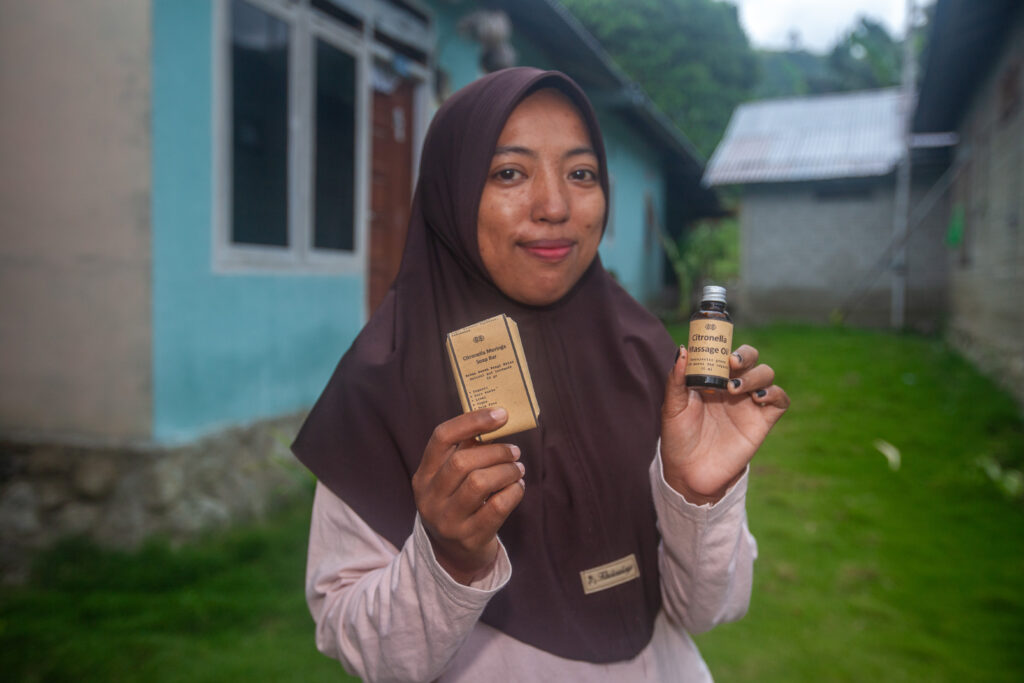
Across the region, a powerful example comes from Pulu Village in Central Sulawesi, Indonesia. Here, a village enterprise has transformed erosion-prone land into a source of income using citronella.
At the centre of this effort is Lana Tumbavani, a women-led initiative headed by Dilah Sahim. Importantly, the project did not begin as a business. Instead, it started as an environmental response.
Between 2020 and 2021, floods affected over 1,300 residents and reduced agricultural yields by nearly 70%.
Therefore, stabilising the land became the top priority.
From Soil Protection to Spa Products
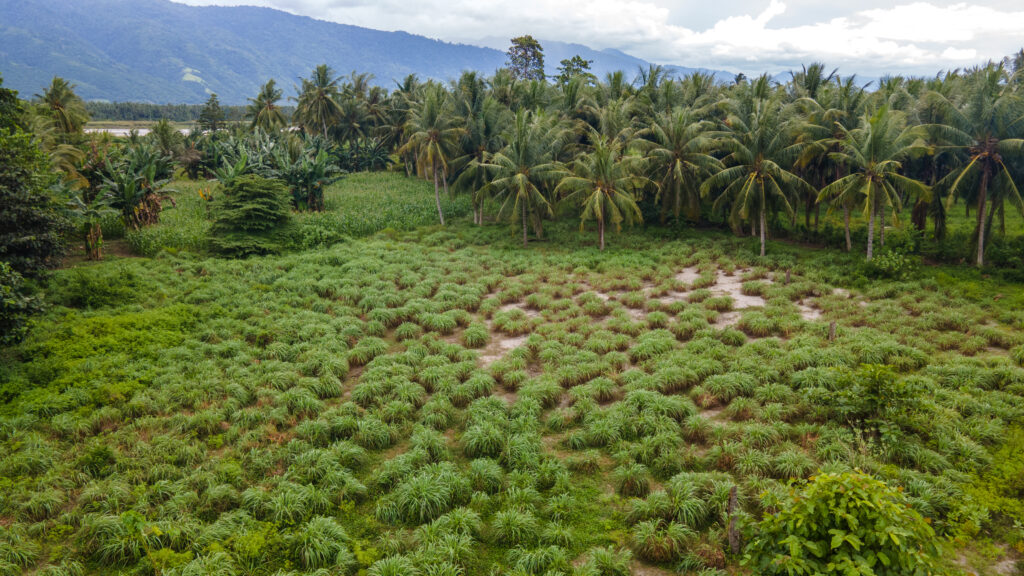
To address the problem, the community introduced citronella as a solution. The plant grows well in poor soil, and its roots help strengthen riverbanks and reduce erosion. When combined with bamboo, it further protects the land from damage.
Only later did its economic value emerge. The leaves could be distilled into essential oils for spa and wellness products.
In the beginning, we did not think about business at all. What mattered was that the land was safe and not further damaged; the economy came later,” said Dilah.
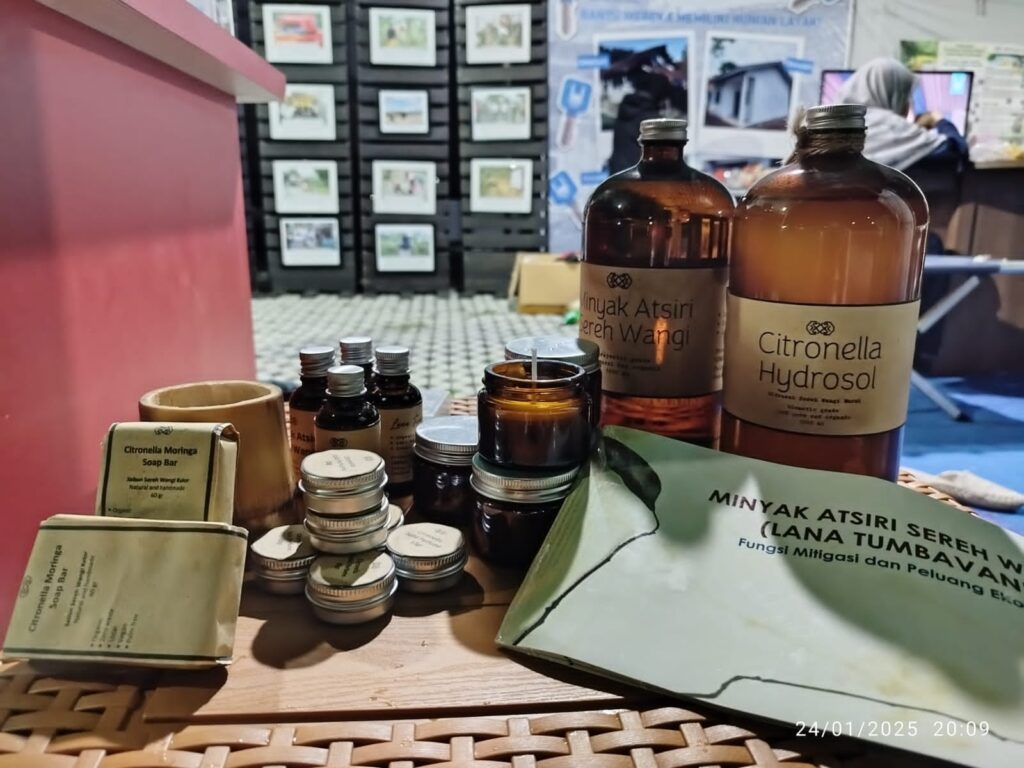
As a result, Lana Tumbavani evolved into a small but growing enterprise. Today, it produces citronella oil, massage oils, herbal soaps, beeswax candles and solid perfumes.
Balancing Growth with Sustainability
As demand increases, the challenge is clear: how can the business grow without losing its environmental purpose?
Through the GIAT 2.0 incubation programme, the enterprise received support to improve pricing, production, and market readiness. However, it remained grounded in restorative economy principles.
“We see this as a restorative economic practice, not a conventional business,” said a representative from Gampiri Interaksi. “ Nature is restored, the community is mobilized, and the products have clear value.”
“If one of those is removed, the model collapses.”
-Nedya Sinintha Maulaning
Real Impact on People and Land
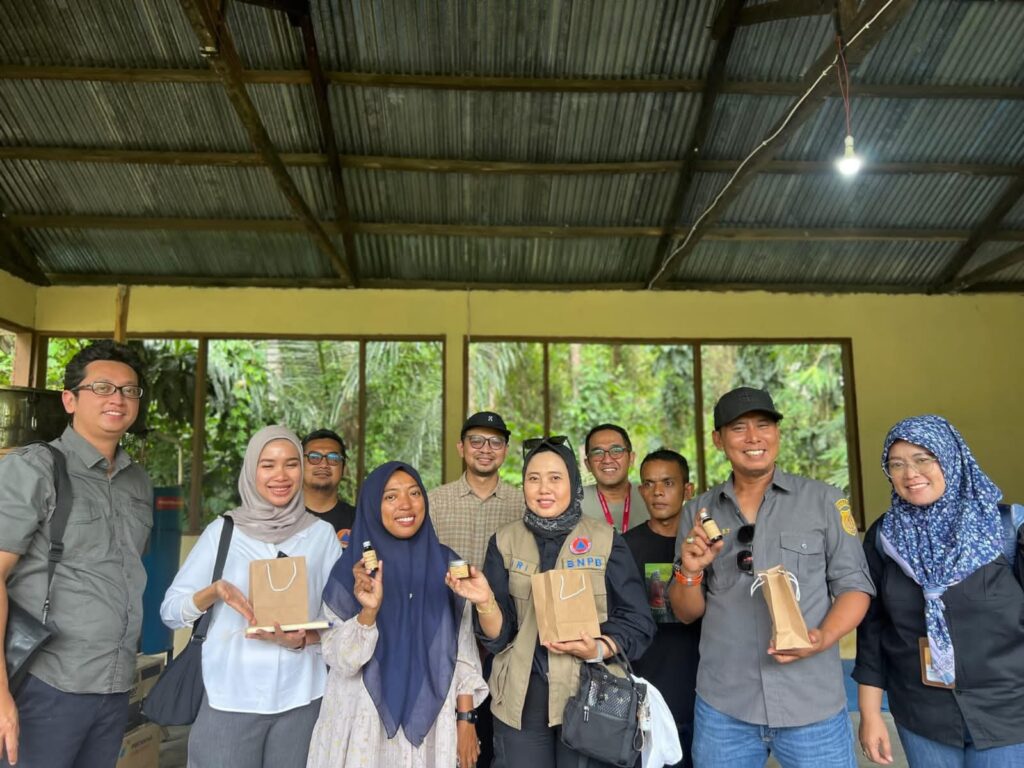
The results are already visible. Between 2024 and early 2025, several households joined the production chain. As a result, participating families saw income increases of up to 50%.
At the same time, less than one hectare of degraded land has been stabilised. In addition, residents report a reduced risk of flooding in certain areas.
For Dilah, the connection is simple:
“If the environment does not recover, there will be no product, and there will be no income.”
A Model for a Restorative Economy
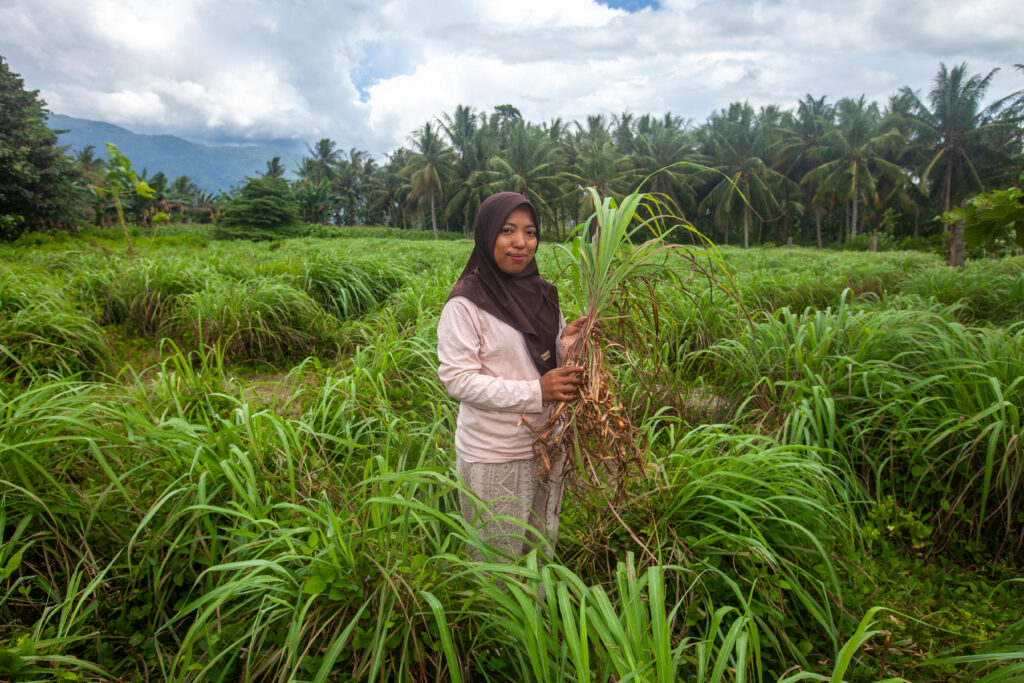
Organisations such as Lingkar Temu Kabupaten Lestari (LTKL) view initiatives like Lana Tumbavani as a model for long-term, sustainable growth. By combining environmental recovery with community enterprise, they show how rural economies can thrive without harming nature.
Unlike conventional models, this approach restores ecosystems first. Then, it builds economic value around them. As a result, it creates a more resilient and sustainable system.
A Greener Future, Rooted in Community
In Pulu Village, citronella is no longer just a fragrance or spa ingredient. Instead, it represents a new way of thinking about growth, one that begins with the land and extends to the community.
Ultimately, this story shows that sustainable wellness products can do more than meet consumer demand.
They can restore ecosystems, empower women and create lasting economic opportunities.