
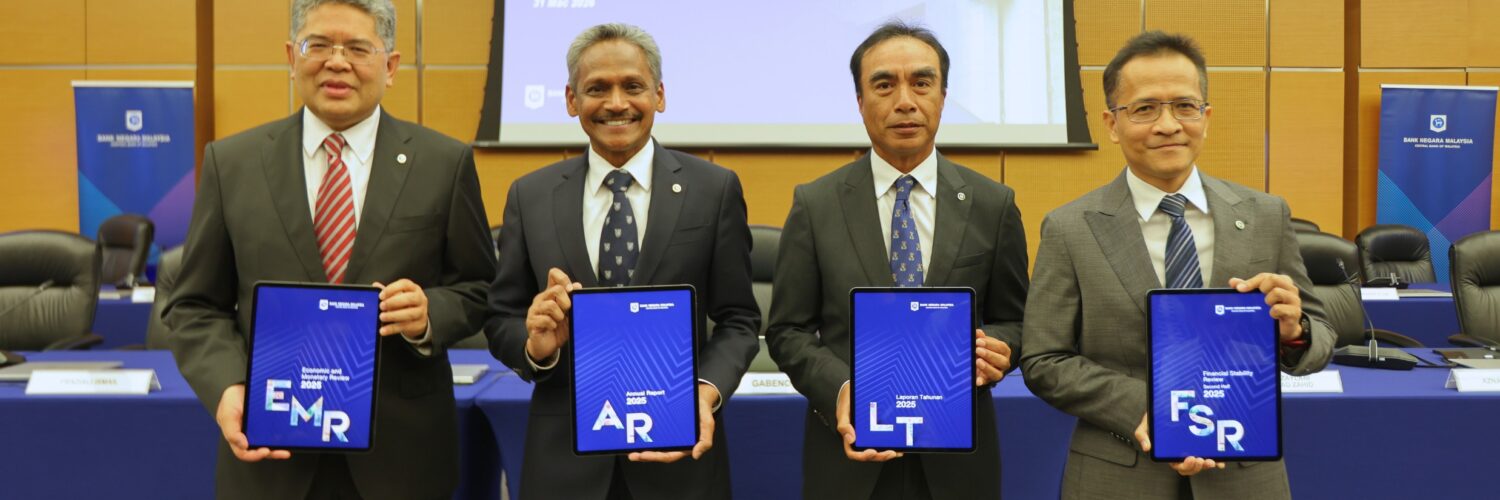
In 2025, Malaysia’s economy expanded by 5.2%, supported primarily by strong domestic demand. Household spending remained firm on the back of positive labour market conditions and targeted policy measures, while investment activity recorded strong growth. This was driven by ongoing multi-year projects and robust investment approvals, particularly in high-technology services and advanced manufacturing.
For SMEs, access to financing remained stable and supportive. Outstanding financing to SMEs grew by 5.9% in 2025, with approvals and disbursements remaining broad-based across sectors. This indicates continued access to funding, enabling businesses to sustain operations and pursue expansion.
Inflation averaged 1.4% in 2025, the lowest in five years. While this reflects stable price conditions, the cost of living remains a concern, as households may experience price changes differently from official inflation indicators. Nonetheless, inflation continues to serve as a key guide for policy decisions.
Looking ahead, Malaysia’s economy is projected to grow between 4% and 5% in 2026. The country enters this period from a position of strength, supported by resilient domestic demand, moderate inflation, a sound financial sector, and a stable external position. Household consumption is expected to remain a key driver of growth, underpinned by positive income prospects, a stable labour market, and continued policy support.
Investment activity is expected to continue expanding, albeit at a more moderate pace. Meanwhile, the external sector is projected to remain resilient despite global uncertainties, including geopolitical tensions and tariff-related risks. The electrical and electronics (E&E) sector is expected to benefit from strong semiconductor demand linked to artificial intelligence developments and ongoing data centre investments. Inbound tourism, particularly in conjunction with Visit Malaysia Year 2026, is also expected to support external growth.
Headline inflation in 2026 is forecast to average between 1.5% and 2.5%, remaining well anchored and close to its long-term average. Monetary policy will continue to focus on maintaining price stability while supporting sustainable economic growth.
Malaysia’s financial system remains resilient, with financial institutions well capitalised and supported by ample liquidity buffers and sound asset quality. Macro solvency stress tests affirm the sector’s ability to withstand severe macroeconomic and financial shocks. Payment and settlement systems also remain reliable and secure.
Reforms have been advanced to strengthen consumer protection and financial resilience, including the enactment of the Consumer Credit Act, revisions to the Hire-Purchase Act, and the launch of the National Financial Literacy Strategy 2026–2030. Initiatives such as the Digital Asset Innovation Hub, Climate Finance Innovation Lab, and i-CITA programme have been introduced to support financial solutions tailored to economic and societal needs.
Efforts to combat financial fraud have intensified, with improvements in defence mechanisms yielding results, including some banks reporting zero malware cases in 2025. A coordinated, whole-of-nation approach remains key to addressing evolving scam risks.
The financial sector also continues to evolve, with ongoing efforts to improve access to affordable and accessible basic banking services, particularly for underserved communities. In Islamic finance, the industry continues to advance value-based finance that supports inclusive and sustainable socio-economic outcomes.
As the Financial Sector Blueprint 2022–2026 enters its final phase, work is underway to chart the next stage of development for Malaysia’s financial sector. At the regional level, ASEAN cooperation has strengthened economic confidence and supported a more stable environment.
Malaysia’s anti-money laundering and counter terrorism financing framework has also received recognition, with the country placed under the highest category of “Regular Monitoring” by the Financial Action Task Force.
BNM reported total assets of RM602.22 billion for the financial year ended 31 December 2025, with a net profit after tax of RM12.45 billion. Of this, RM7.45 billion was transferred to risk reserves, and a dividend of RM5 billion was declared to the Government.
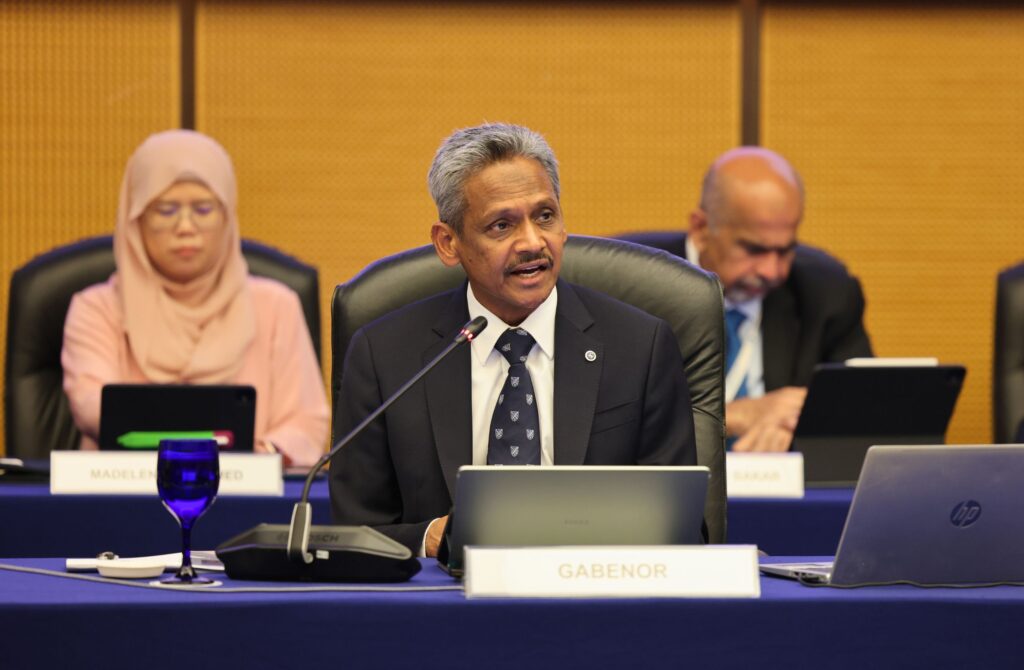
BNM Governor Dato’ Sri Abdul Rasheed Ghaffour noted that the Malaysian economy remains resilient despite a challenging external environment, supported by stable domestic economic, monetary, and financial conditions. He emphasised the importance of strengthening economic fundamentals and policy buffers to navigate future headwinds, while reaffirming BNM’s commitment to promoting sustainable growth and financial stability.